
Beer Styles Explained: What IPA, Lager, Stout, and Sour Actually Taste Like
By Brian Winckel · Founder, Brewlytics.ai
Short Answer
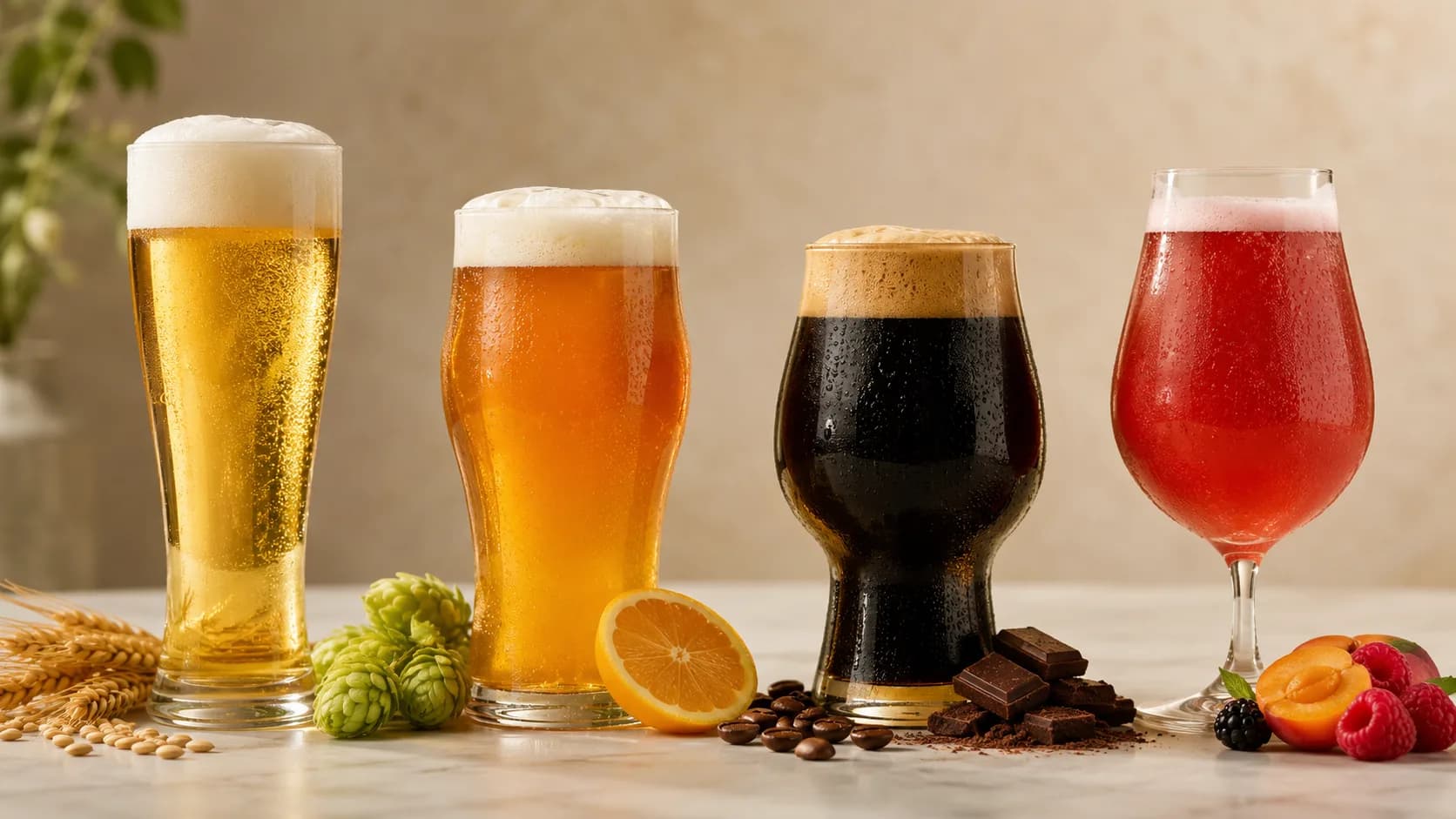
Two big families: ales (warm-fermented, expressive) and lagers (cold-fermented, clean). On a typical board: lagers/pilsners are crisp and low-bitterness; pale ales are balanced; IPAs are hoppy (hazy = juicy and soft, West Coast = piney and bitter); wheat beers are soft and cloudy; stouts and porters are roasty with coffee and chocolate; browns and ambers are malty and easygoing; sours are tart; saisons are dry and farmhouse-funky; Belgian ales are fruity, spicy, and deceptively strong.
Barley's Take
Style names are a menu, not a test you can fail. Learn what five families taste like and you'll never again order blind — or nod politely at a beer you secretly hate.
How to read any beer board
Beer menus can feel like a wall of jargon, but almost everything sorts into a handful of families. Get these and you can walk into any taproom and know — roughly — what's in the glass before you order.
First, the one distinction that explains a lot: ales vs. lagers. It's not about color or strength. It's the yeast.
- Ales ferment warm. The yeast throws off fruity, spicy, expressive flavors. Most "characterful" beers — IPAs, stouts, saisons, wheat beers — are ales.
- Lagers ferment cold and slow. Cleaner, crisper, more subtle. Pilsners, helles, and Mexican lagers live here.
Now the field guide.
The crisp and clean ones
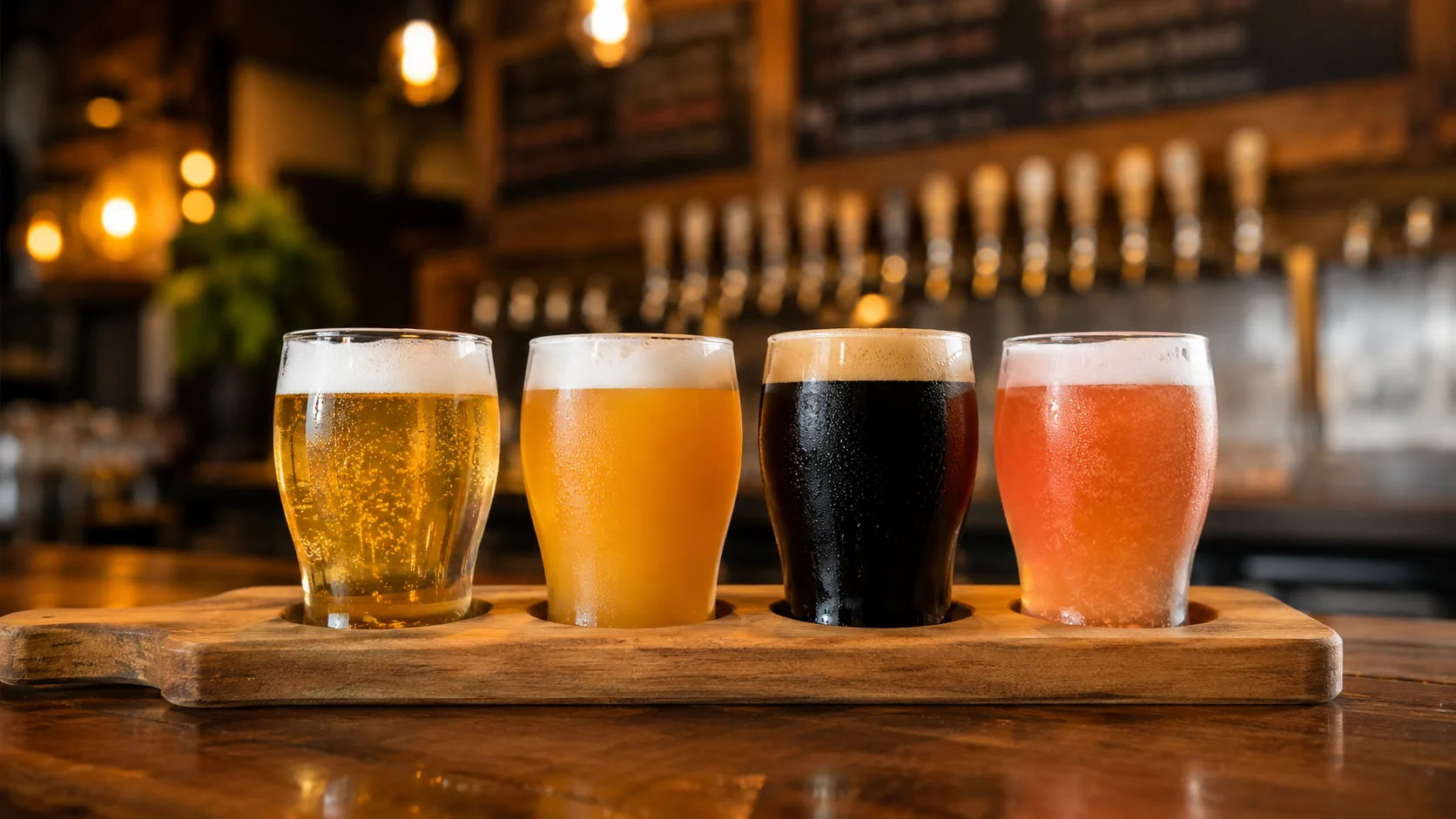
Lager / Pilsner. Light, snappy, refreshing, low bitterness. A pilsner adds a floral, slightly herbal hop note; a helles is softer and bready; a Mexican-style lager loves a lime. The everyday, can't-go-wrong family.
Kölsch & Cream Ale. Lager-like crispness made with ale yeast — clean and easy with a touch more fruitiness. Great gateway beers.
The hoppy ones
Pale Ale. The balanced middle ground — some hop character, some malt backbone. The on-ramp to IPAs.
IPA. The hop-forward headliner, in three flavors:
- Hazy / New England IPA — cloudy, juicy, soft, low bitterness. Mango, orange, pineapple.
- West Coast IPA — clear, crisp, piney/resinous, more bitter. The classic.
- Double / Imperial IPA — bigger and boozier (often 8%+), more of everything.
Session IPA. IPA flavor at lager strength (~4–5%) — when you want hops but also a second one.
The soft, cloudy ones
Wheat beers. Smooth, hazy, low bitterness. A German hefeweizen tastes of banana and clove; a Belgian witbier adds orange peel and coriander. Easy crowd-pleasers.
The dark, roasty ones
Stout & Porter. Dark and roasty — coffee, chocolate, caramel. Often smoother and less bitter than they look. Porters lean a bit lighter and chocolatey; stouts lean toward roast and coffee. A milk stout is sweeter and creamier; an imperial stout is big and intense.
Brown & Amber Ale. Malty, nutty, caramel, easygoing. The cozy-sweater beers — flavorful without being a project.
The tart and funky ones
Sour. Deliberately tart and acidic. A Berliner Weisse is light and lemony; a gose adds a pinch of salt; fruited kettle sours taste like tart juice; wild ales / lambics get complex and funky. Bright, palate-waking, often low in alcohol.
Saison / Farmhouse. Dry, spicy, lightly funky, effervescent. Loved by wine drinkers and anyone bored of "smooth."
Belgian ales / Tripels. Fruity, spicy, and deceptively strong — a tripel can taste light and dangerously drink like one at 9%. Respect the ABV.
Two numbers worth a glance
- ABV = strength. Ranges from ~4% (sessionable) to 14%+ (barrel-aged monsters). Always on the menu.
- IBU = bitterness. A pilsner ~25, a West Coast IPA 65+. But malt balances bitterness, so a sweet double IPA can read high and still taste smooth. Treat IBU as a hint, not a sentence.
Where to go from here
Found a family that sounds like you? Cross-reference it with find your next favorite beer style, and see what your beer taste says about you once you've got a favorite.
Or skip the memorization: the free Barley app knows every style on your local boards and matches them to your taste, so the right one finds you. Get Barley free →
FAQ
(See the schema-ready FAQ block at the end of the page — covers ales vs. lagers, what IBU really means, stout vs. porter, and which styles are strongest vs. most sessionable.)
Frequently asked questions
Keep reading
What Beer Should I Drink Tonight?
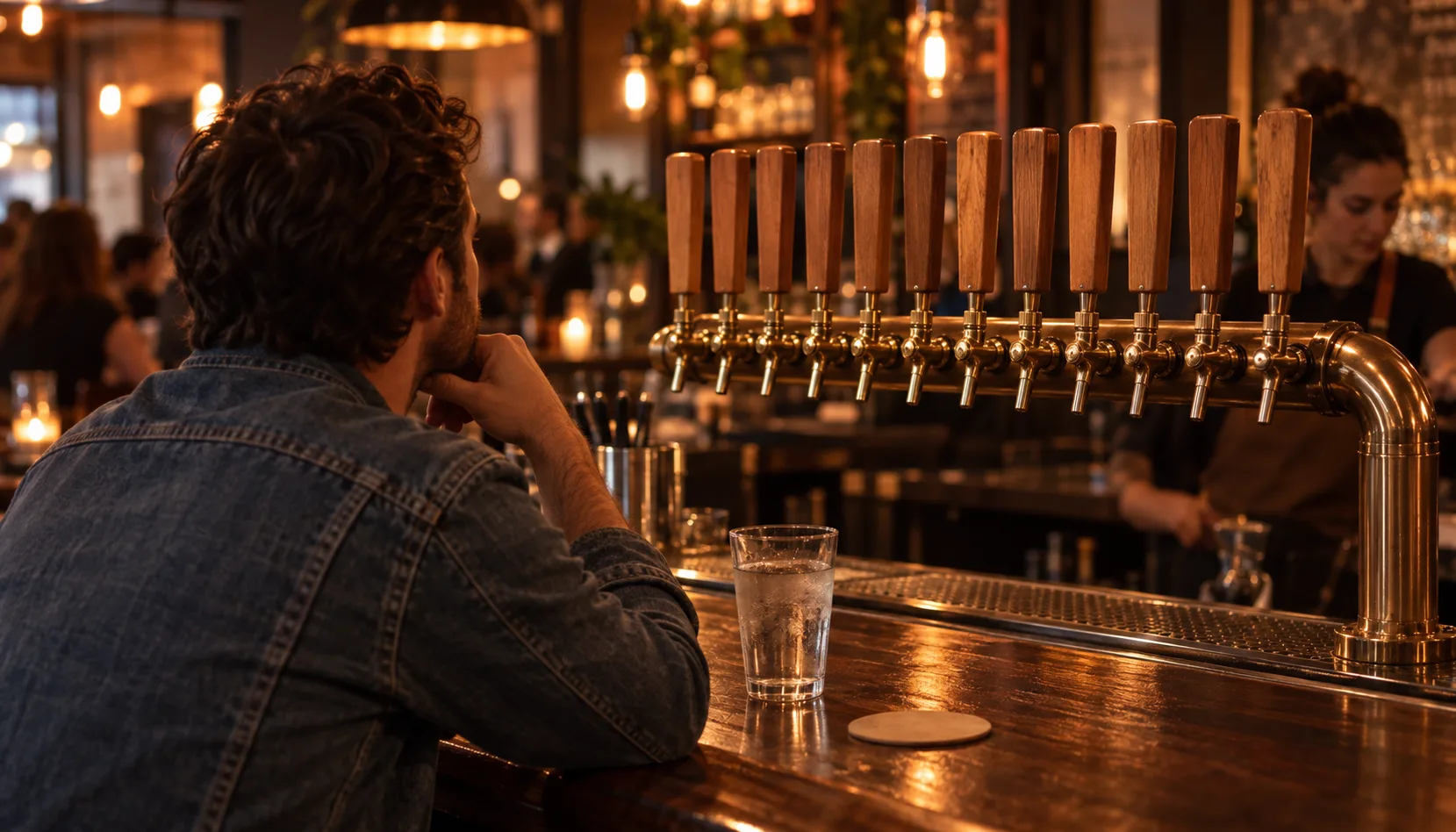
Not sure what beer to order? A quick decision path by mood, food and what you already like that lands you on a style in under a minute, with a cheat sheet.
Seasonal Beer Guide: What to Drink and When
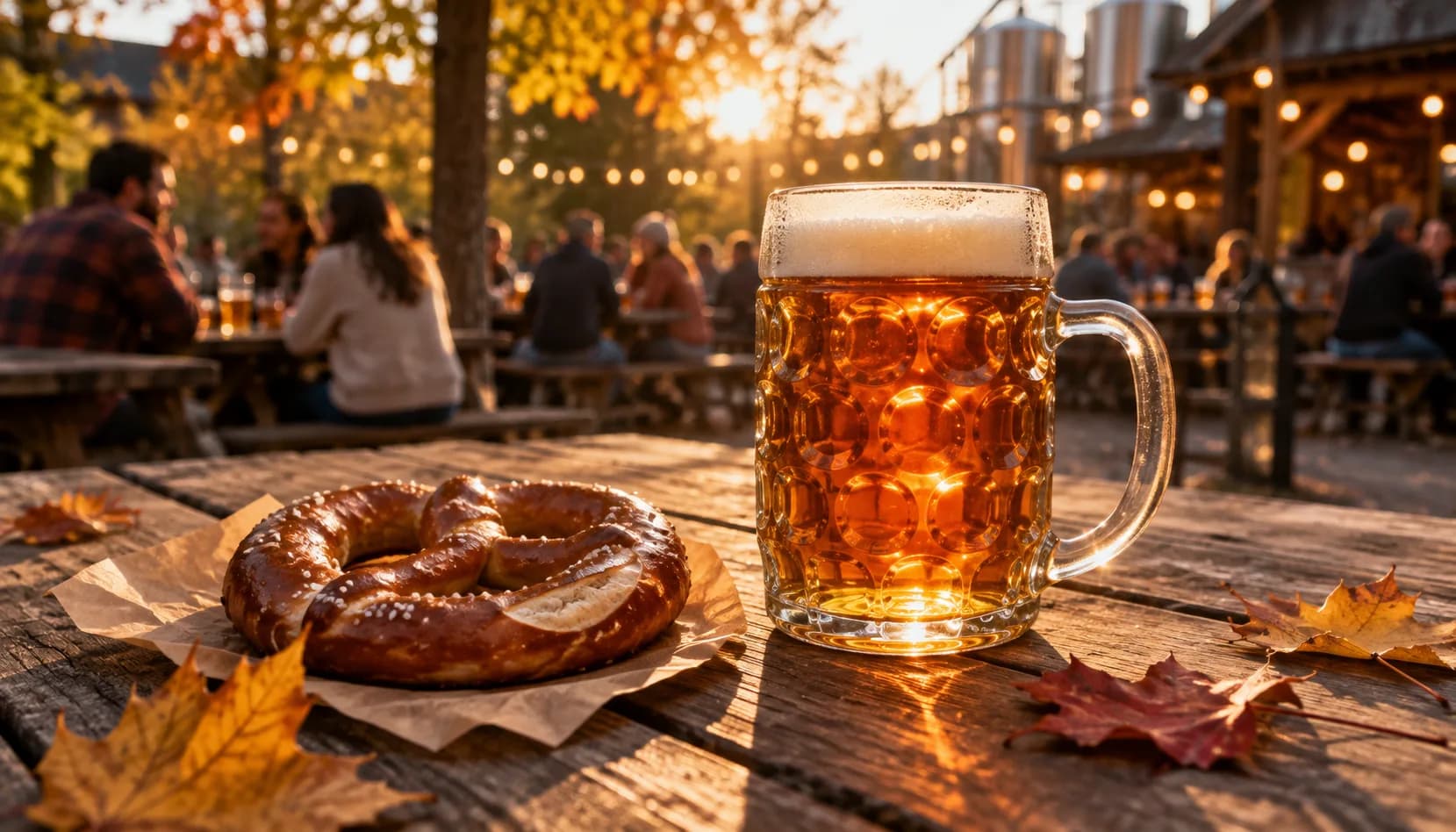
Crisp lagers and sours in summer, Oktoberfest and fresh-hop in fall, stouts in winter. A season-by-season beer map, and why each style fits its time of year.
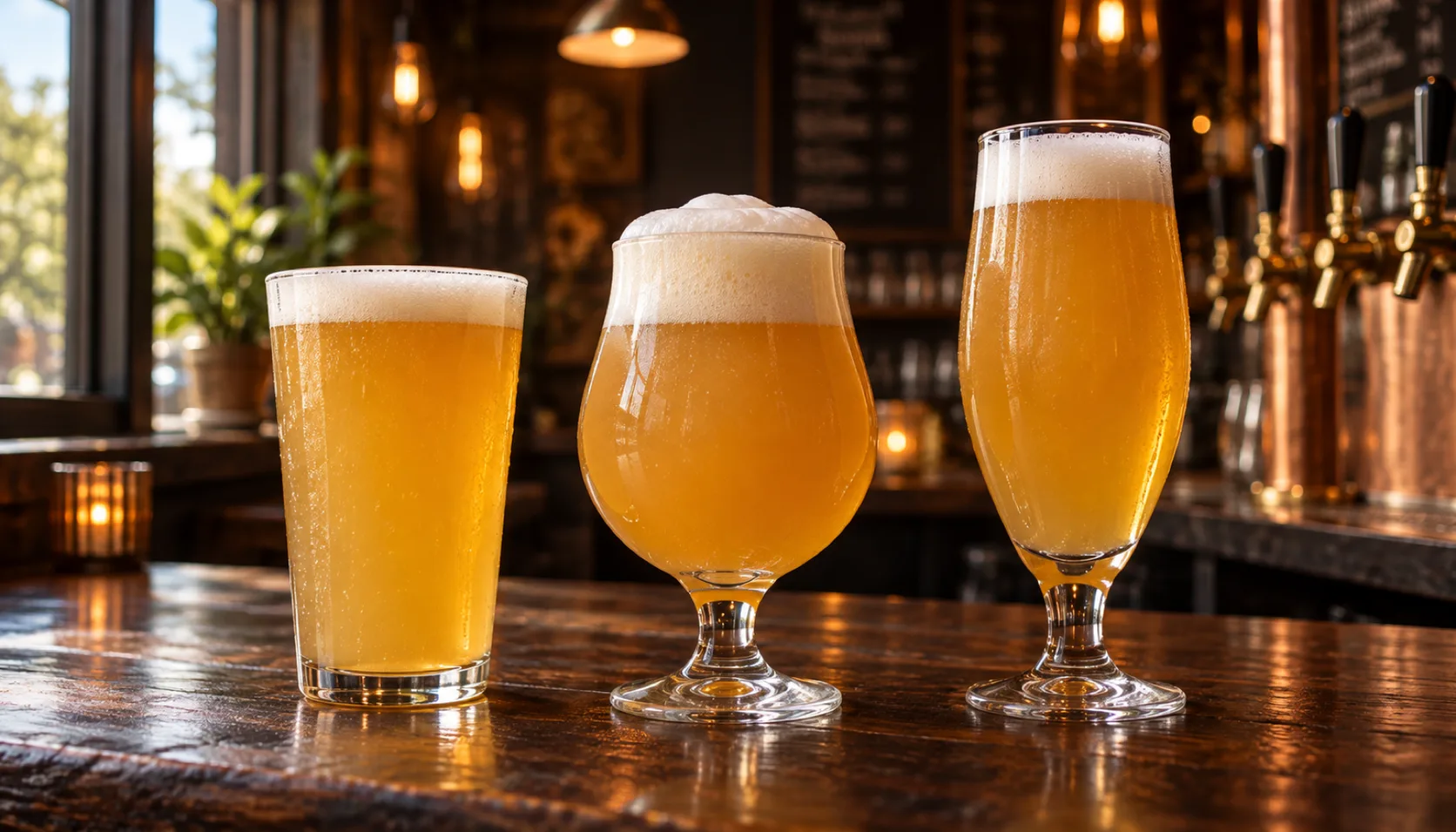
Why Glassware Changes How Your Beer Tastes
Glass shape changes what you smell, how the foam holds and how fast your beer warms. Here's which glass helps which style, with zero snobbery required.
Find your next favorite beer
Barley is the free app that learns your taste and tells you what to drink next — the freshest beers you’ll love at the breweries near you.