
The Beginner's Guide to Beer and Food Pairing
By Brian Winckel · Founder, Brewlytics.ai
Short Answer
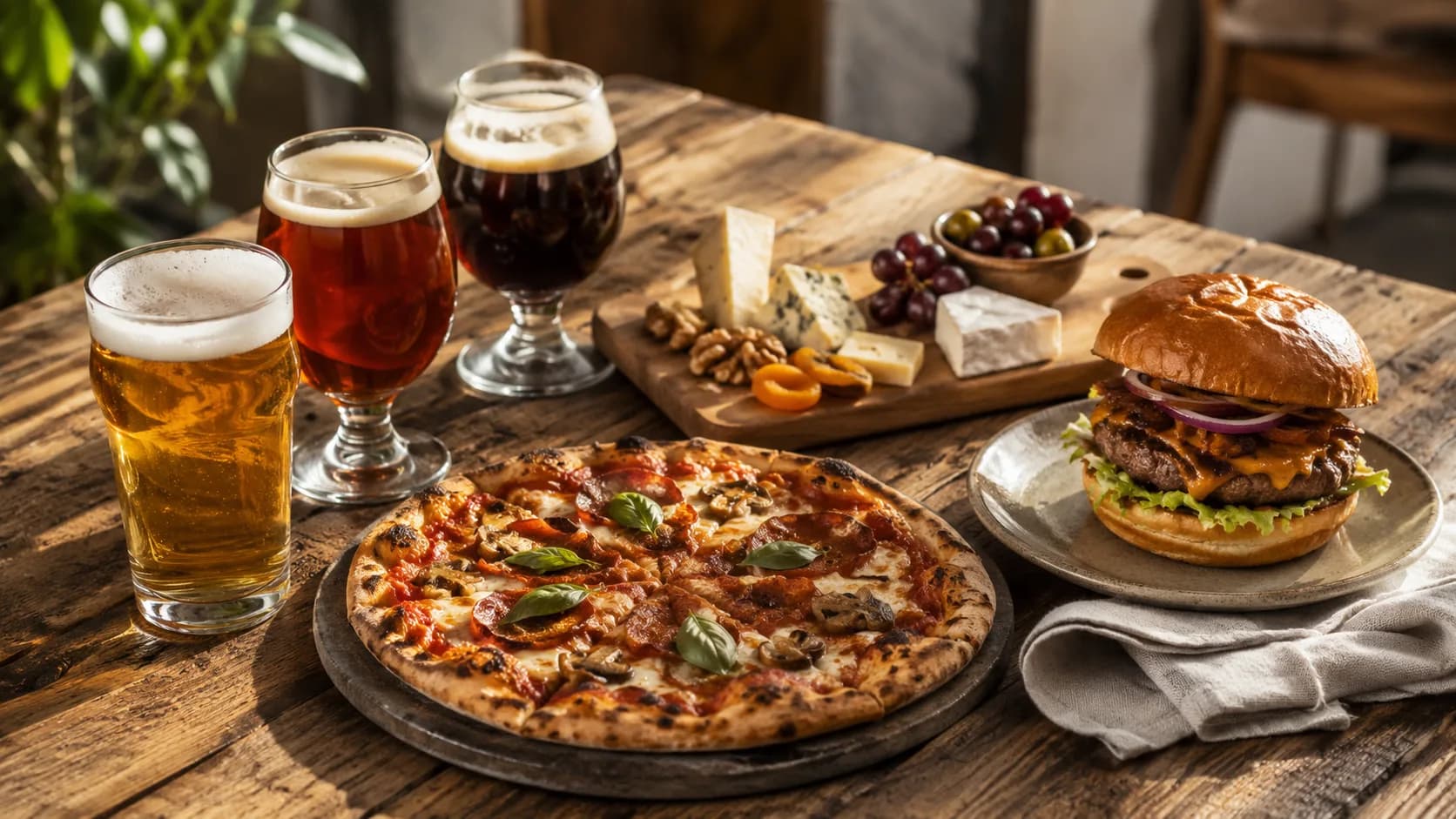
Beer and food pairing isn't a science you need to study — it's three simple rules. (1) Match intensity: light food with light beer, bold with bold. (2) Complement or contrast: either echo a flavor that's already there, or deliberately oppose it. (3) Use bitterness and bubbles to cut richness: hoppy and fizzy beers scrub fat and grease off your palate. Pilsner with pizza, IPA with burgers, wheat beer with salads, stout with chocolate — start there, then trust your own mouth. Beer actually pairs with more food than wine does, so you can relax and play.
Barley's Take
People overthink this. Match the loudness of the food to the loudness of the beer and you're 80% of the way there. The rest is just deciding whether you want the beer to agree with dinner or argue with it — both are delicious. Pizza and a cold pilsner has been undefeated for a reason.
The short version
Pairing beer with food sounds like a thing you need a certificate for. It isn't. Wine built up a whole vocabulary of rules and intimidation around pairing; beer never bothered, which is part of why it's so much easier to get right. Beer is fizzy, it comes in a huge range of flavors, and the carbonation alone makes it friendlier with food than wine.
You only need three rules. Learn them once and you can pair a beer with almost anything in your kitchen.
Rule 1: Match the intensity
This is the big one. Light food, light beer. Bold food, bold beer.
The idea is balance — you don't want one to bulldoze the other. A delicate piece of grilled fish gets buried under a thick, boozy imperial stout. A crisp pilsner vanishes against a plate of smoky brisket. But pair up — fish with a light wheat beer, brisket with a big malty beer — and both sides get to shine.
If you only remember one rule, remember this one. It quietly does most of the work.
Rule 2: Complement or contrast
Once the intensity matches, you've got two ways to make a pairing interesting.
- Complement — echo a flavor that's already on the plate. Roasty grilled meat with a roasty porter. Caramel-y barbecue with a malty amber. You're turning up a flavor you both already have.
- Contrast — deliberately set the beer against the food. A bright, citrusy beer against a rich, fatty dish. A tart sour against creamy cheese. The opposition keeps every bite feeling fresh instead of heavy.
Neither is "correct." Complementing feels cozy and harmonious; contrasting feels lively and surprising. Pick the mood you're in.
Rule 3: Let bitter and bubbly cut the rich stuff
Here's the move that makes beer a secret weapon at the dinner table. Bitterness and carbonation cut through fat, salt, and grease.
Ever notice how a hoppy IPA makes a greasy burger taste cleaner with every sip? That's the hops and the bubbles scrubbing the richness off your palate, resetting your mouth so the next bite hits as hard as the first. Fried food, cheesy food, fatty meats — they all love a crisp, bitter, or bubbly beer for exactly this reason.
One catch worth knowing: with genuinely spicy food, dial the bitterness down, not up. Hops and high alcohol actually make chili heat burn hotter. A slightly sweet, malty beer cools the fire far better. (If you want to know which numbers on the can hint at all this, here's how to read a beer label.)
The cheat sheet
When in doubt, start here. These are reliable defaults, not laws — your mouth gets the final vote.
| If you're eating… | Try this beer | Why it works |
|---|---|---|
| Pizza | Pilsner or lager | Crisp and bubbly, cuts the cheese and grease |
| Burgers / barbecue | IPA or amber | Bold enough to keep up; hops clean the fat |
| Spicy food | Hefeweizen or amber lager | A little malt sweetness soothes the heat |
| Salads / seafood | Wheat beer or pale ale | Light and bright, won't bury delicate food |
| Fried chicken | Crisp lager or pale ale | Bubbles reset your palate between bites |
| Sharp cheese | IPA or fruited sour | Big flavors that stand up to (or cut) the richness |
| Grilled steak | Stout or porter | Roasty flavors echo the char |
| Chocolate / dessert | Stout, porter, or fruited sour | Roast complements cocoa; fruit cuts the sweetness |
How to actually use this
Don't memorize the table. Just ask yourself two quick questions before you pour:
- How loud is this food? Match the beer to it.
- Do I want the beer to agree with the meal, or wake it up? Complement or contrast.
That's the whole game. Everything else — the glassware, the temperature, the fancy words — is fine-tuning. (If you're curious why the same beer can taste different depending on how it's served, that's a fun rabbit hole: tap vs. can.)
The best part of pairing is that "wrong" answers are still beer and still dinner. Experiment freely. The worst outcome is a fine meal; the best is a combination you'll chase for years.
Want pairings tuned to the styles you already love? The Barley app learns your taste and suggests beers that fit what you're eating — and what you'll actually enjoy. Get Barley free → · More Barley Reads →
FAQ
(See the schema-ready FAQ block at the end of the page — it covers the easiest pairing rule, what beer goes with pizza, what to drink with spicy food, whether IPA pairs with everything, and what beer goes with chocolate.)
Frequently asked questions
Keep reading
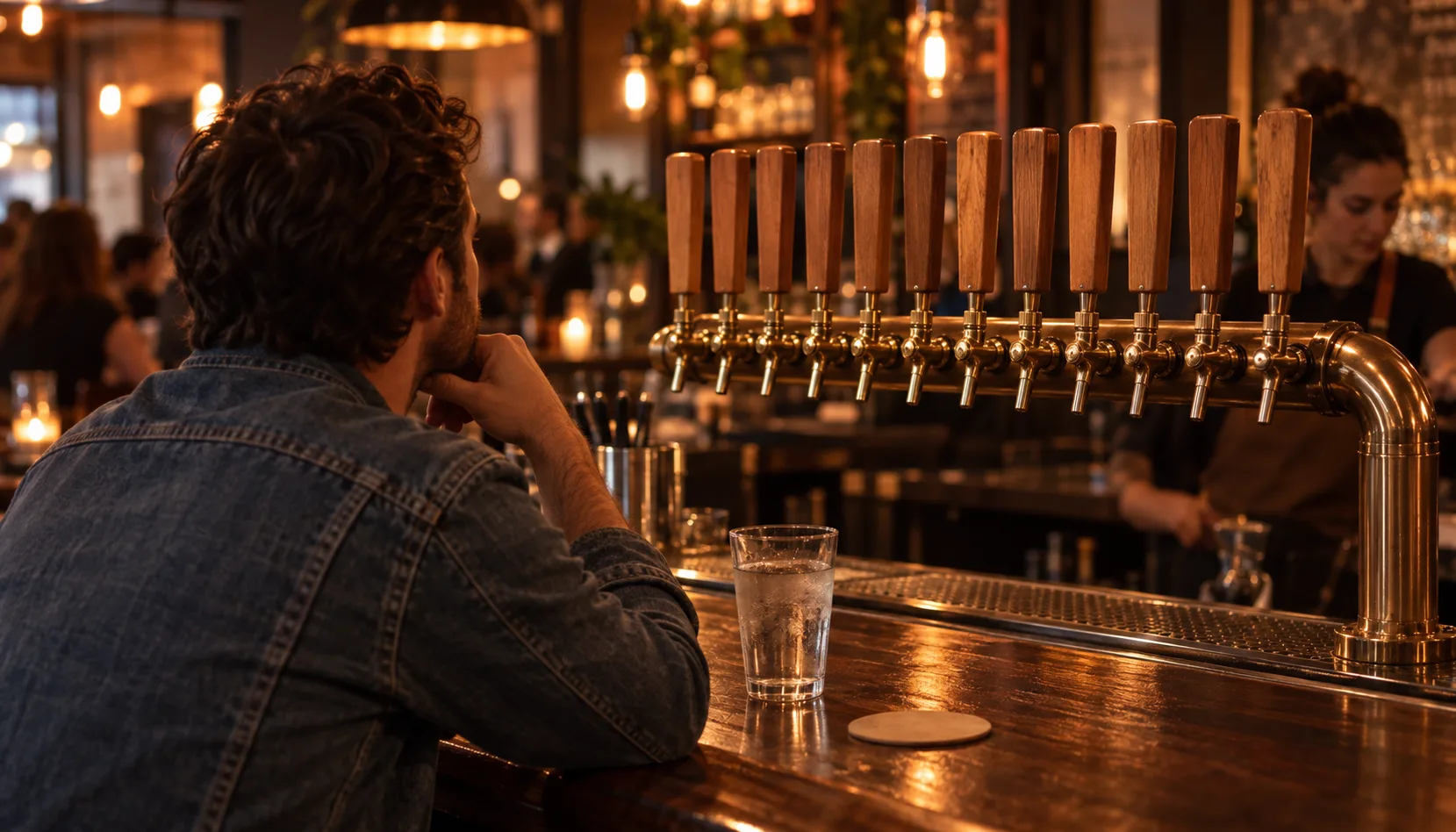
What Beer Should I Drink Tonight?
Not sure what beer to order? A quick decision path by mood, food and what you already like that lands you on a style in under a minute, with a cheat sheet.
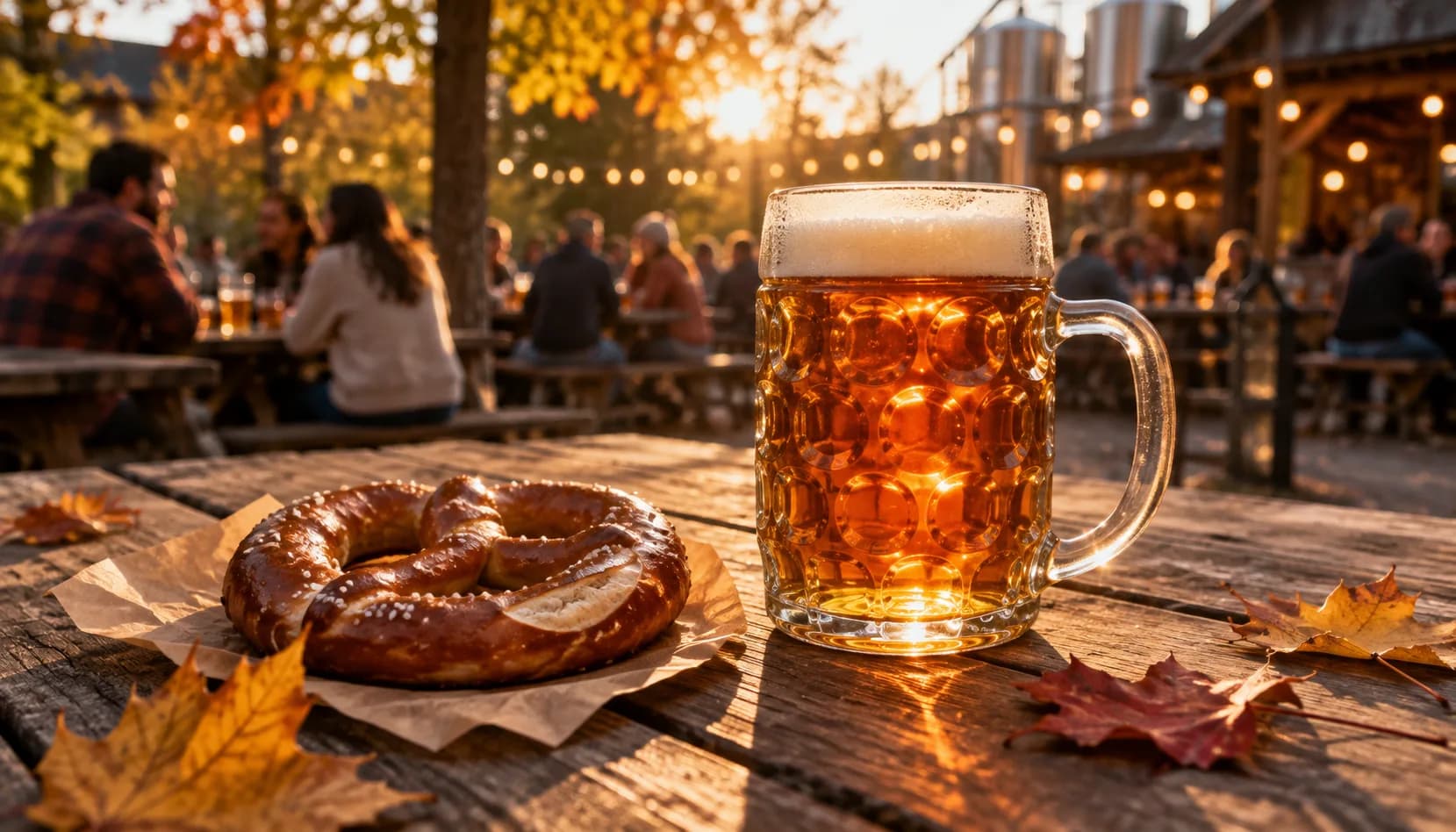
Seasonal Beer Guide: What to Drink and When
Crisp lagers and sours in summer, Oktoberfest and fresh-hop in fall, stouts in winter. A season-by-season beer map, and why each style fits its time of year.
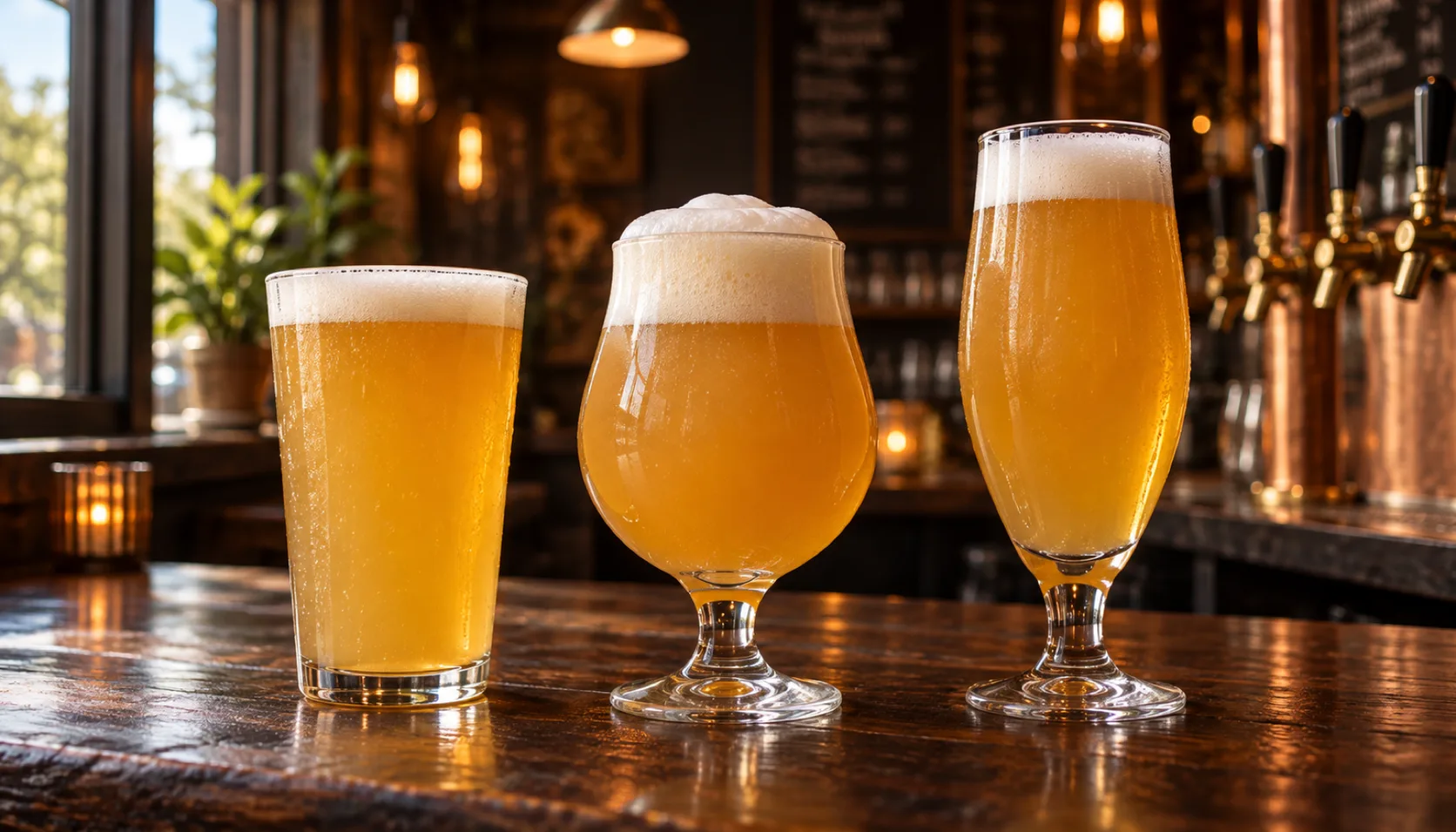
Why Glassware Changes How Your Beer Tastes
Glass shape changes what you smell, how the foam holds and how fast your beer warms. Here's which glass helps which style, with zero snobbery required.
Find your next favorite beer
Barley is the free app that learns your taste and tells you what to drink next — the freshest beers you’ll love at the breweries near you.