
Why Does Beer Taste Different on Tap vs. in a Can?
By Brian Winckel · Founder, Brewlytics.ai
Short Answer
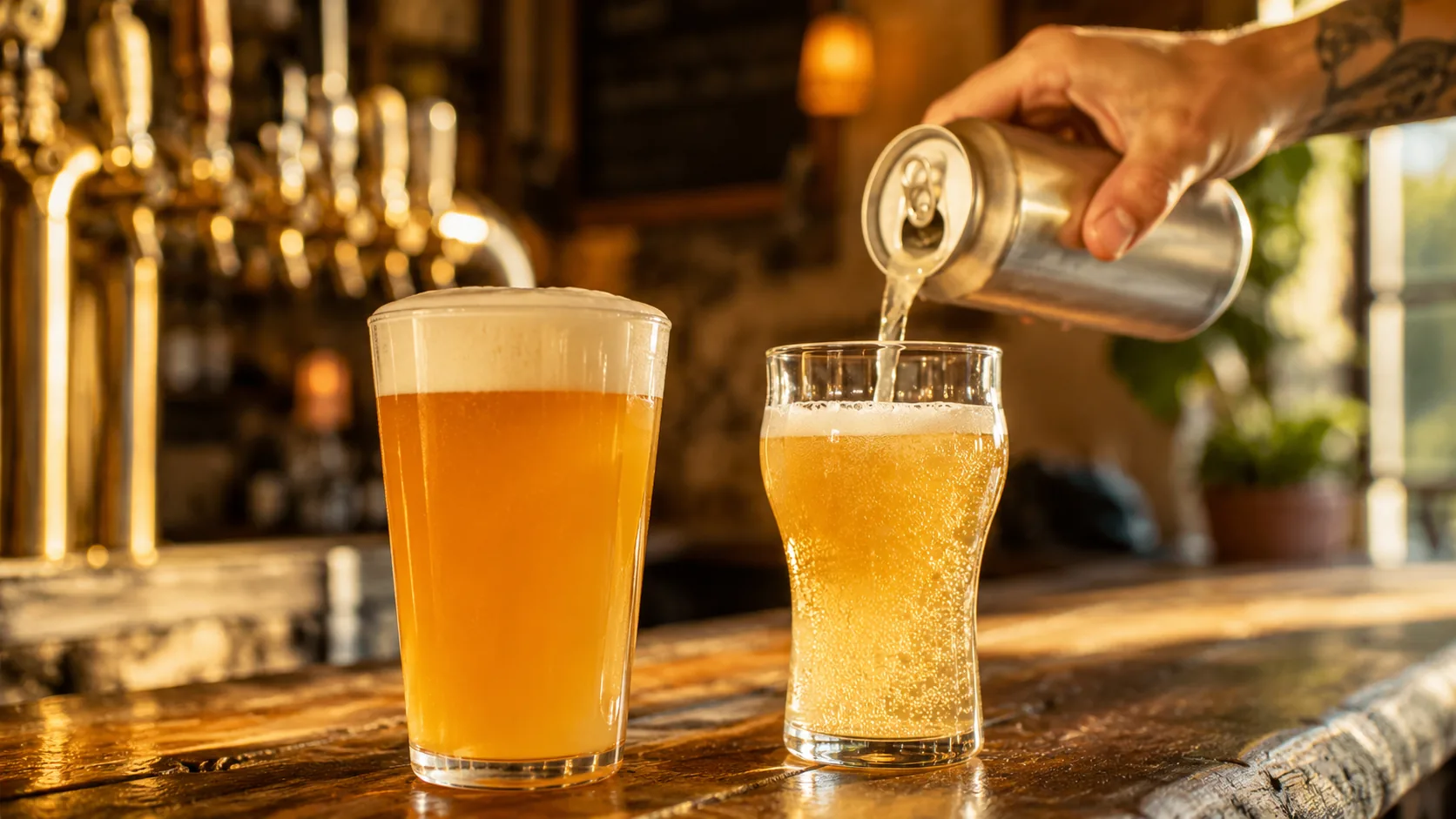
The same beer can taste different on tap versus from a can mostly because of carbonation, temperature, freshness, and the glass. Draft is often poured a little warmer with softer carbonation, which makes it taste rounder and more aromatic; a sealed can protects the beer at peak freshness and tends to drink crisper and fizzier. Neither is the 'true' version — how it's stored and poured matters as much as the format. Pour a can into a glass and you close most of the gap.
Barley's Take
Same beer, different costume. Tap usually drinks softer and rounder; a fresh can keeps it crisp and lively. Neither one is the 'real' version — they're just two sides of the same liquid. Pour the can in a glass and watch them shake hands.
The short version
You order your favorite IPA on draft at the taproom and it's soft, juicy, perfect. You grab a four-pack of the exact same beer, crack one at home, and… it's a little sharper, a little fizzier, not quite the same. You're not imagining it. The beer didn't change — but four things around it did: carbonation, temperature, freshness, and the glass.
Here's what's actually going on, and how to get the taproom version at home.
Carbonation: the biggest difference
This is the one you taste first. A draft system pushes beer out of the keg using gas, and a well-tuned setup tends to deliver softer, rounder carbonation — smaller bubbles, a smoother feel.
A can seals the beer at a fixed, usually higher level of carbonation, and it stays locked in until you crack it. So a can often drinks crisper and fizzier right out of the gate. Same beer, but the bubbles are wearing different outfits — and bubbles change how everything else lands on your tongue.
Temperature and the pour
Taprooms usually serve draft beer a touch warmer than the ice-cold can you pull from the back of your fridge. That matters, because cold mutes flavor and aroma. Warm a beer up a few degrees and it opens up — more hop aroma, more malt character, more of everything the brewer put in.
A near-freezing can hides a lot of that. It tastes clean and refreshing, but quieter.
Freshness and oxygen
Here's where "tap vs. can" gets flipped on its head. People assume draft is always fresher — but it isn't automatically.
- A sealed can protects beer from its two enemies: light and oxygen. Nothing gets in until you open it, so a recently packaged can is often the freshest version of a beer you can buy.
- A keg is only as good as how it's handled. A keg that was tapped a week ago, or runs through draft lines that aren't cleaned regularly, can taste flat, stale, or a little funky — no matter how good the beer was when it left the brewery.
So the freshest beer in the room might be the can. (Freshness is a whole skill of its own — here's how to tell if a beer is fresh.)
Glassware (yes, even at home)
A huge part of "taste" is actually smell. When beer goes into a glass, it releases aroma upward, right to your nose. Drinking straight from a can traps most of that — and adds the smell of the aluminum rim, which is where that so-called "metallic" impression usually comes from (the beer never touches bare metal; cans are lined).
Pour that same can into a glass and it transforms. More aroma, a settled head, a softer feel. You've just done most of what the draft system was doing for you.
How to get the taproom version at home
Want your four-pack to taste like the bar pour? Four easy moves:
- Pour it into a glass. Non-negotiable. This single step closes most of the gap.
- Let it warm up a couple minutes. Pull it from the fridge a few minutes before drinking — fridge-cold is too cold to taste much.
- Drink it fresh. Especially hoppy beers. Check the packaged-on date and don't let IPAs sit for months.
- Pour with a little gusto. A confident pour down the center knocks out some of the extra carbonation and builds a head, making a canned beer feel more draft-like.
Do those four and the difference between "tap" and "can" mostly melts away. Not sure what the numbers and words on that can even mean? Start with how to read a beer label.
The takeaway: there's no "real" version of a beer. Tap and can are just two presentations, and with a glass and a few minutes you control which one you get.
Want the freshest beer that actually fits your taste, wherever you're drinking? The Barley app learns the styles you love and points you to them. Get Barley free → · More Barley Reads →
FAQ
(See the schema-ready FAQ block at the end of the page — it covers whether draft is better than canned, why tap tastes smoother, the "metallic" can question, what pouring into a glass changes, and why a beer tastes worse at some bars.)
Frequently asked questions
Keep reading
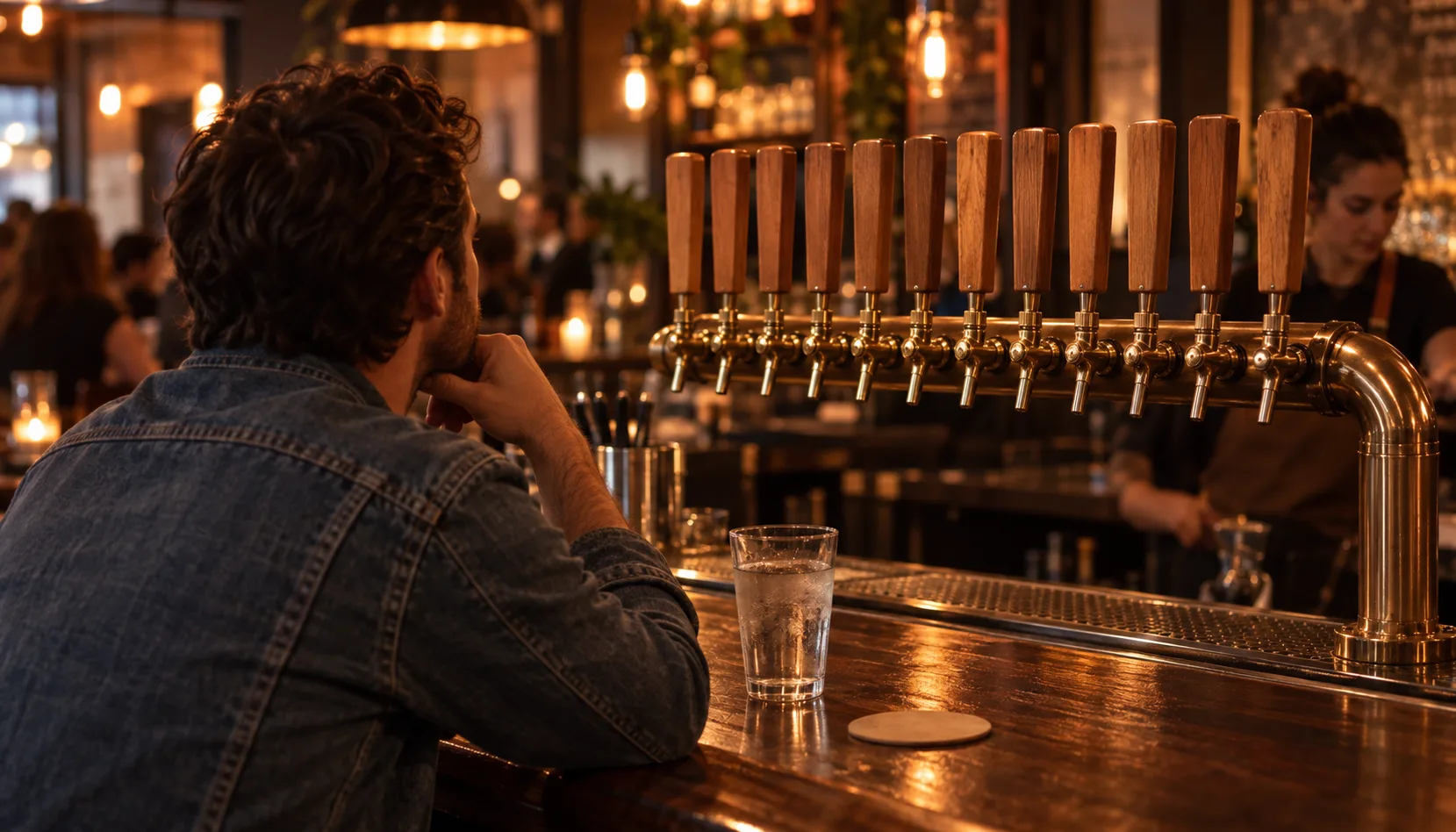
What Beer Should I Drink Tonight?
Not sure what beer to order? A quick decision path by mood, food and what you already like that lands you on a style in under a minute, with a cheat sheet.
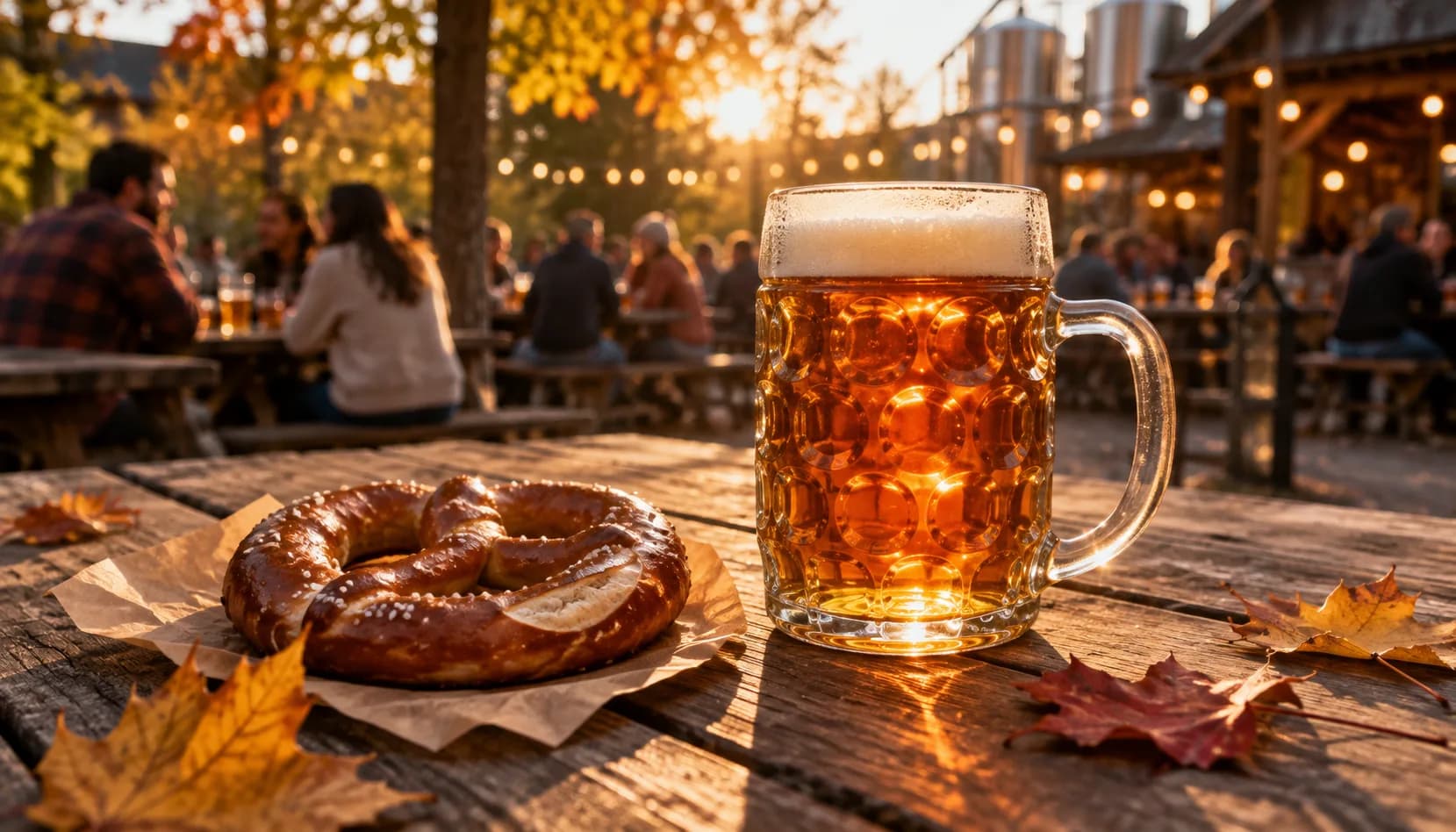
Seasonal Beer Guide: What to Drink and When
Crisp lagers and sours in summer, Oktoberfest and fresh-hop in fall, stouts in winter. A season-by-season beer map, and why each style fits its time of year.
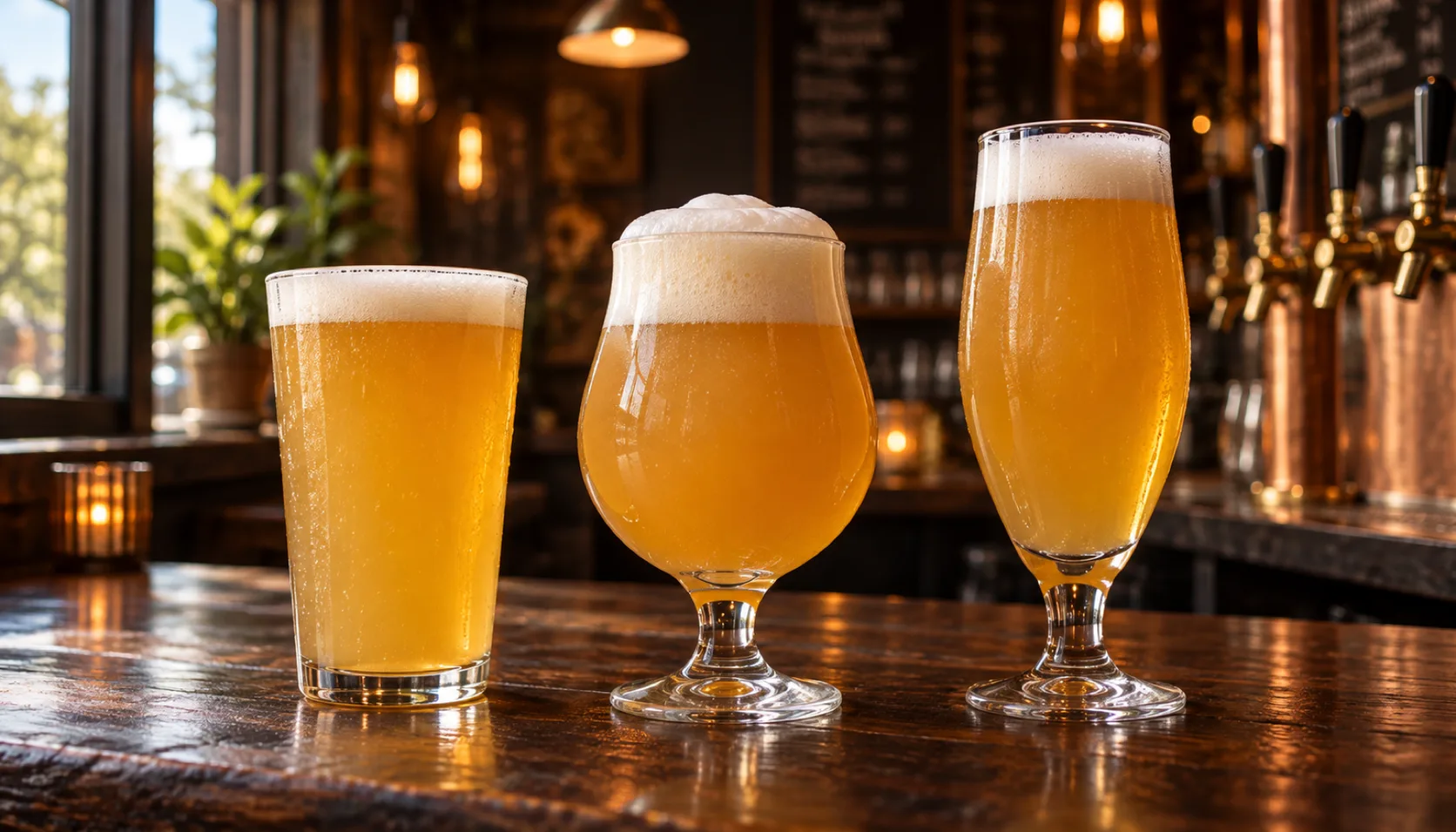
Why Glassware Changes How Your Beer Tastes
Glass shape changes what you smell, how the foam holds and how fast your beer warms. Here's which glass helps which style, with zero snobbery required.
Find your next favorite beer
Barley is the free app that learns your taste and tells you what to drink next — the freshest beers you’ll love at the breweries near you.