
How to Read a Beer Label: ABV, IBU, and What Actually Matters
By Brian Winckel · Founder, Brewlytics.ai
Short Answer
Most of a beer label is decoration; only a few parts predict whether you'll enjoy it. ABV tells you how strong it is (and how to pace yourself). IBU is supposed to measure bitterness but is easy to misread, because malt sweetness hides it. The single most useful thing on the can is the style — IPA, lager, stout, sour — and the second is the packaged-on date, which tells you how fresh it is. Read those two first and treat the rest as flavor for the eyes.
Barley's Take
Numbers are easy to print and easy to overrate. IBU especially — it's the horoscope of beer labels. The two things that actually tell you how a beer will taste are the style and how fresh it is. Everything else is trivia.
The short version
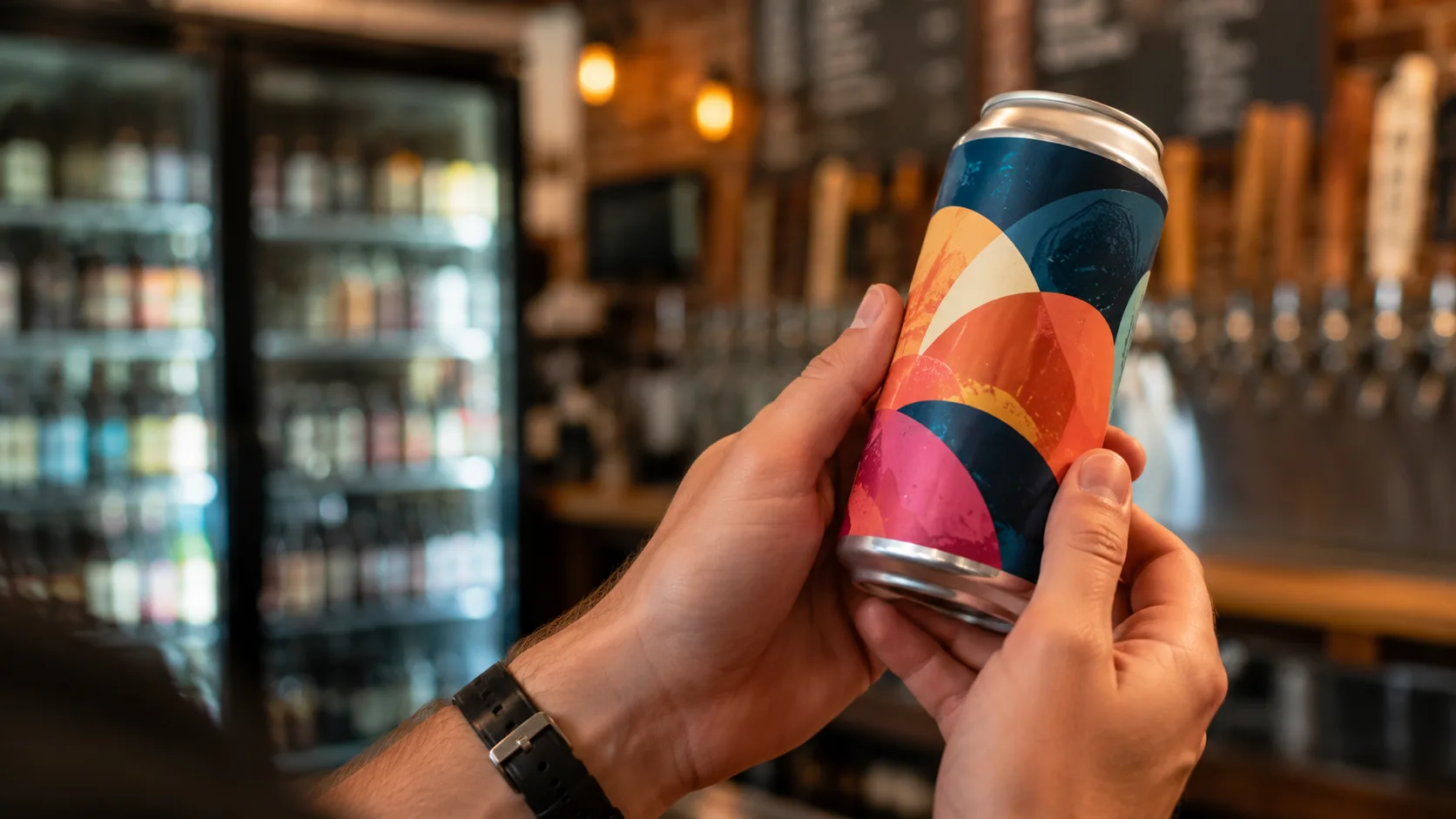
A craft beer can is a tiny billboard. There's a clever name, some art, a style, two or three numbers, and a date hiding on the bottom. Most of it is there to catch your eye. Only a few parts actually tell you whether you'll like the beer in your hand.
Here's how to read past the marketing and zero in on what matters.
ABV: how strong it is
ABV stands for alcohol by volume — the share of the liquid that's alcohol. It's the most honest number on the can, because it measures something exact.
A quick feel for the scale:
- Under 5% — easy-drinking, "sessionable." You can have a couple.
- 5–7.5% — the standard zone for most IPAs and ambers. One or two.
- 8% and up — big beers: imperial stouts, barleywines, triple IPAs. Sip these. They sneak up on you.
ABV won't tell you how a beer tastes, but it tells you how to pace — which, after the second pour, is the more useful information anyway.
IBU: the most misread number on the can
IBU stands for international bitterness units, and it's supposed to measure how bitter a beer is. Here's the catch: it measures the bittering compounds from hops, not how bitter the beer actually tastes.
Why the gap? Malt sweetness balances bitterness. A sweet, juicy hazy IPA can clock 60 IBU and taste soft and smooth, while a bone-dry pilsner at 35 IBU tastes sharper and crisper. The number's the same direction as bitterness, but the experience depends on everything else in the glass.
So treat IBU as a loose hint, not a verdict. A high number doesn't mean "you'll hate this if you don't like bitter." Plenty of high-IBU beers drink sweet.
The word that predicts the most: the style
If you read exactly one thing on a label, read the style.
Style is the flavor family — IPA, lager, stout, sour, hefeweizen, porter — and it predicts how a beer will taste better than any number can. "Hazy IPA" tells you juicy, soft, citrusy. "West Coast IPA" tells you piney and bitter. "Milk stout" tells you smooth, sweet, roasty. The name is doing more honest work than the IBU ever will.
Not sure which families you actually like? That's a fun rabbit hole — start with finding your next favorite beer style.
A few label words worth knowing
Breweries love their jargon. The ones actually worth decoding:
- Dry-hopped — hops added after fermentation. Big aroma, not much extra bitterness. Smells loud, drinks smooth.
- Nitro — poured with nitrogen instead of CO₂. Creamy, soft, cascading head (think Guinness).
- Session — a lower-ABV version of a style, made for drinking more than one.
- Double / Imperial — a bigger, stronger version. Double IPA = more of everything.
- Barrel-aged — rested in wood (often bourbon barrels). Adds vanilla, oak, warmth — and usually ABV.
None of these are strength or quality grades. They're flavor cues.
The one date worth finding
Flip the can over. Somewhere on the bottom or the side is a date — and which date matters.
You want the packaged-on (or "canned on") date, not a "best by." Packaged-on tells you when the beer was actually made, and freshness counts from there. It matters most for hoppy styles, which fade fast: a hazy IPA is at its best within a few weeks, not months. A clear packaged-on date is a green flag — it means the brewery is proud of how fresh it is.
We went deep on this one, because it's the single most overlooked thing on a label: how to tell if a beer is fresh.
So what actually matters?
Strip away the noise and the label comes down to two reads:
- Style — what flavor family am I getting into?
- Packaged-on date — is it fresh enough for that style?
Use ABV to decide how strong you want to go, and let IBU be a footnote. That's it. The clever name and the gold medal sticker are nice, but they won't tell you whether the next sip is for you.
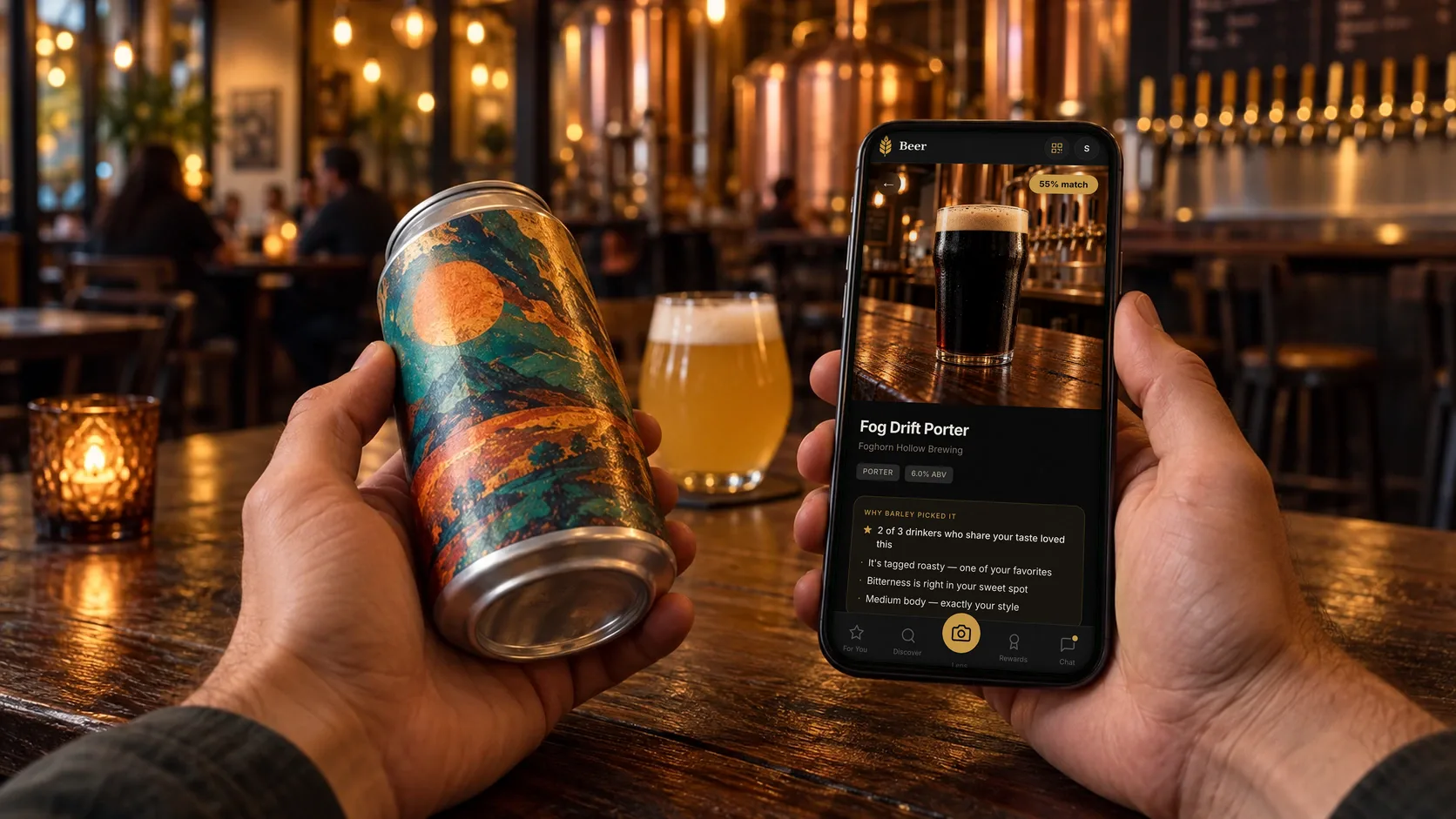
Want the label read for you? The Barley app learns the styles and flavors you actually like and points you to the freshest beers on a menu that fit your taste — so you can stop decoding cans and just drink something good. Get Barley free →
FAQ
(See the schema-ready FAQ block at the end of the page — it covers what ABV and IBU mean, whether higher IBU is really more bitter, the most useful thing on a label, packaged-on dates, and what "dry-hopped" means.)
Frequently asked questions
Keep reading

What Beer Should I Drink Tonight?
Not sure what beer to order? A quick decision path by mood, food and what you already like that lands you on a style in under a minute, with a cheat sheet.
Seasonal Beer Guide: What to Drink and When
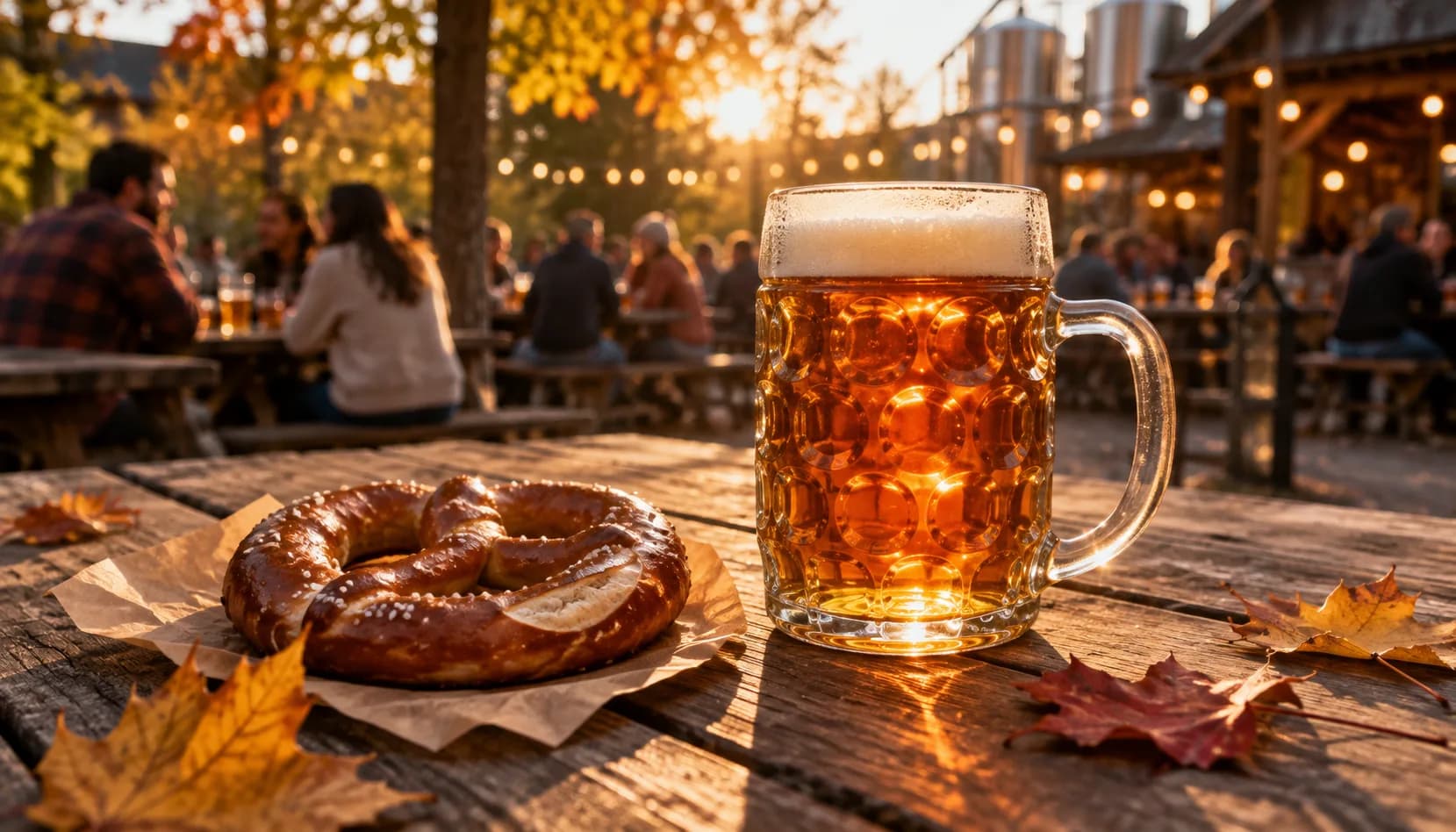
Crisp lagers and sours in summer, Oktoberfest and fresh-hop in fall, stouts in winter. A season-by-season beer map, and why each style fits its time of year.
Why Glassware Changes How Your Beer Tastes
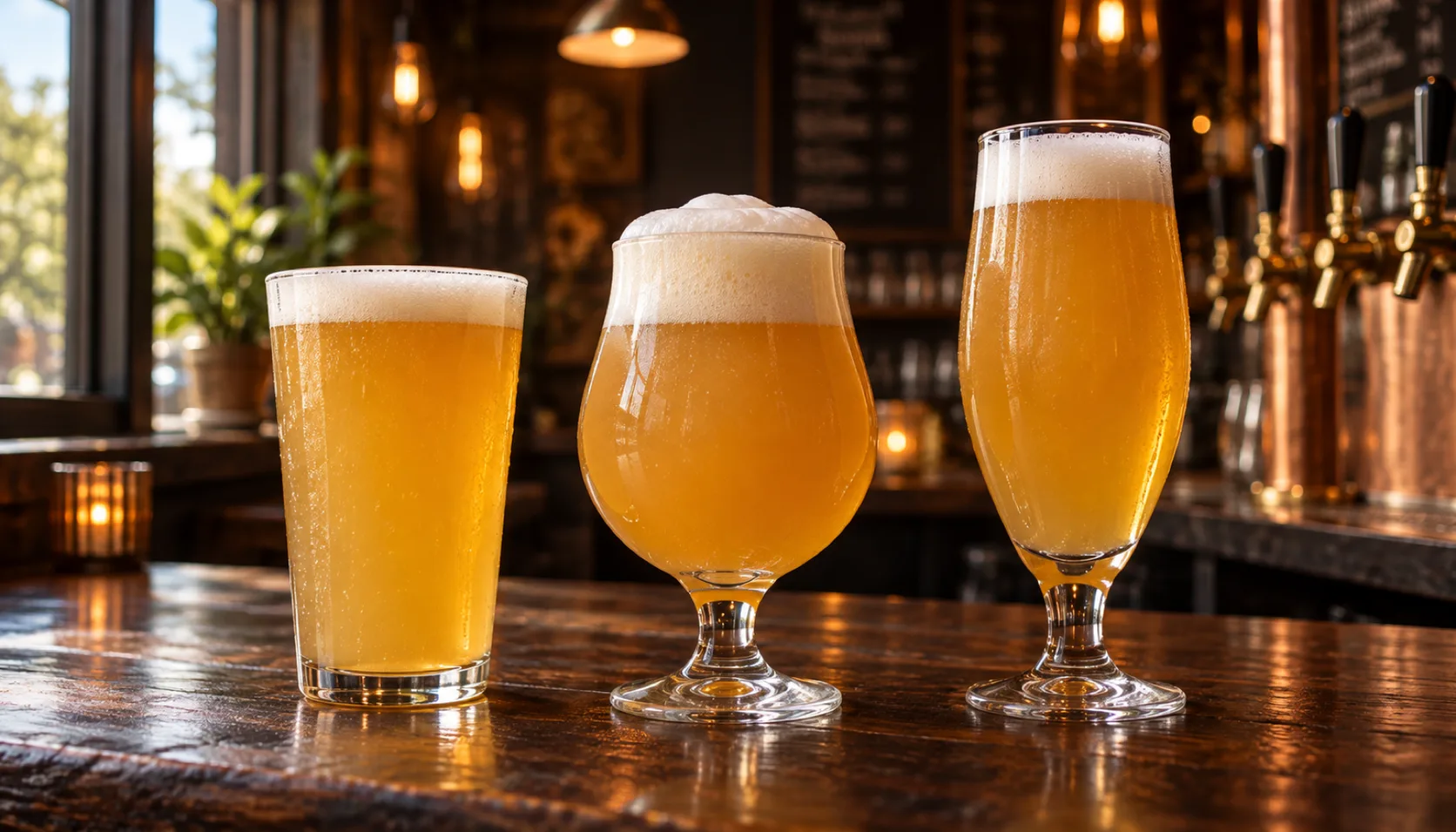
Glass shape changes what you smell, how the foam holds and how fast your beer warms. Here's which glass helps which style, with zero snobbery required.
Find your next favorite beer
Barley is the free app that learns your taste and tells you what to drink next — the freshest beers you’ll love at the breweries near you.