
Seasonal Beer Guide: What to Drink and When
By Brian Winckel · Founder, Brewlytics.ai
Short Answer
Match the beer to the weather. Spring brings bocks and saisons, summer is for crisp lagers, wheat beers and sours, fall means Oktoberfest lagers and fresh-hop beers, and winter is for dark, strong beers like stouts and barleywines. Lighter, tart beers refresh you in the heat, while richer, stronger beers feel right in the cold.
Barley's Take
A stout in August is brave, and I respect it. When in doubt, order what the weather's ordering.
The short version
Beer follows the calendar for two reasons: weather and harvest. When it's hot, you want something light, cold and a little tart that quenches thirst. When it's cold, you want something richer and stronger that you can sip slowly. And a few styles exist only because of when an ingredient comes in, like hops in late summer.
Most breweries brew with that rhythm, so their seasonal taps change four times a year.
The season-by-season map
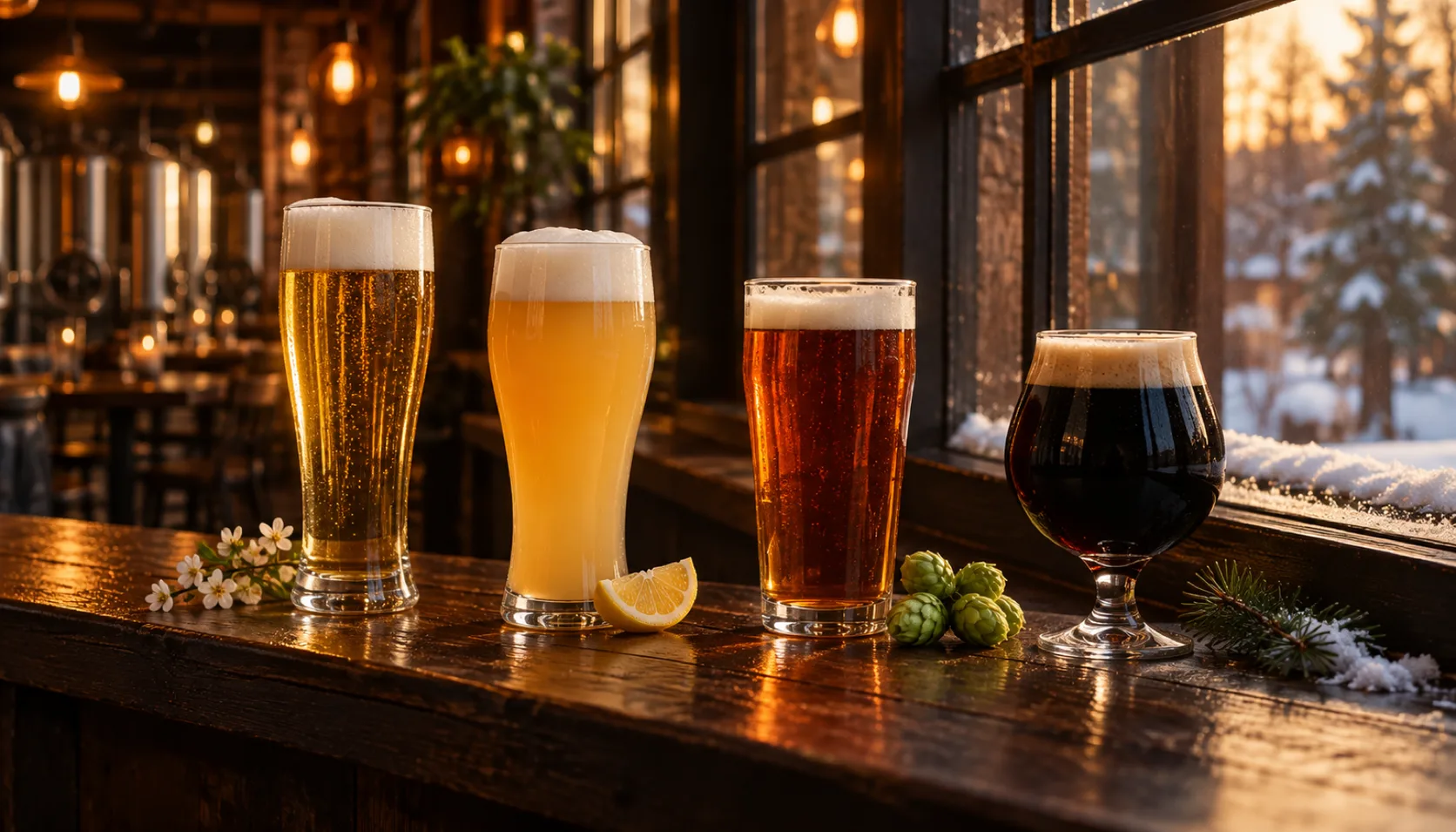
| Season | Styles to look for | What they taste like |
|---|---|---|
| Spring | Bock, maibock, saison | Bready and gently sweet, or dry, peppery and fruity |
| Summer | Pilsner, Kölsch, witbier, gose, fruited sour | Crisp, light, citrusy, tart or a little salty |
| Fall | Märzen/Oktoberfest, fresh-hop, pumpkin ale, brown ale | Toasty and malty, or bright and green with hops |
| Winter | Winter warmer, imperial stout, doppelbock, barleywine | Dark, rich, roasty or caramel, warming |
Why each season tastes the way it does
Spring: waking up
Spring beers sit between winter's heft and summer's lightness. A bock is a strong, malty German lager, and a maibock is its paler spring cousin, named for May. A saison is a Belgian farmhouse ale, dry and peppery, originally brewed for farm workers. If you like bread crust or a crisp white wine, start here.
Summer: crisp and tart
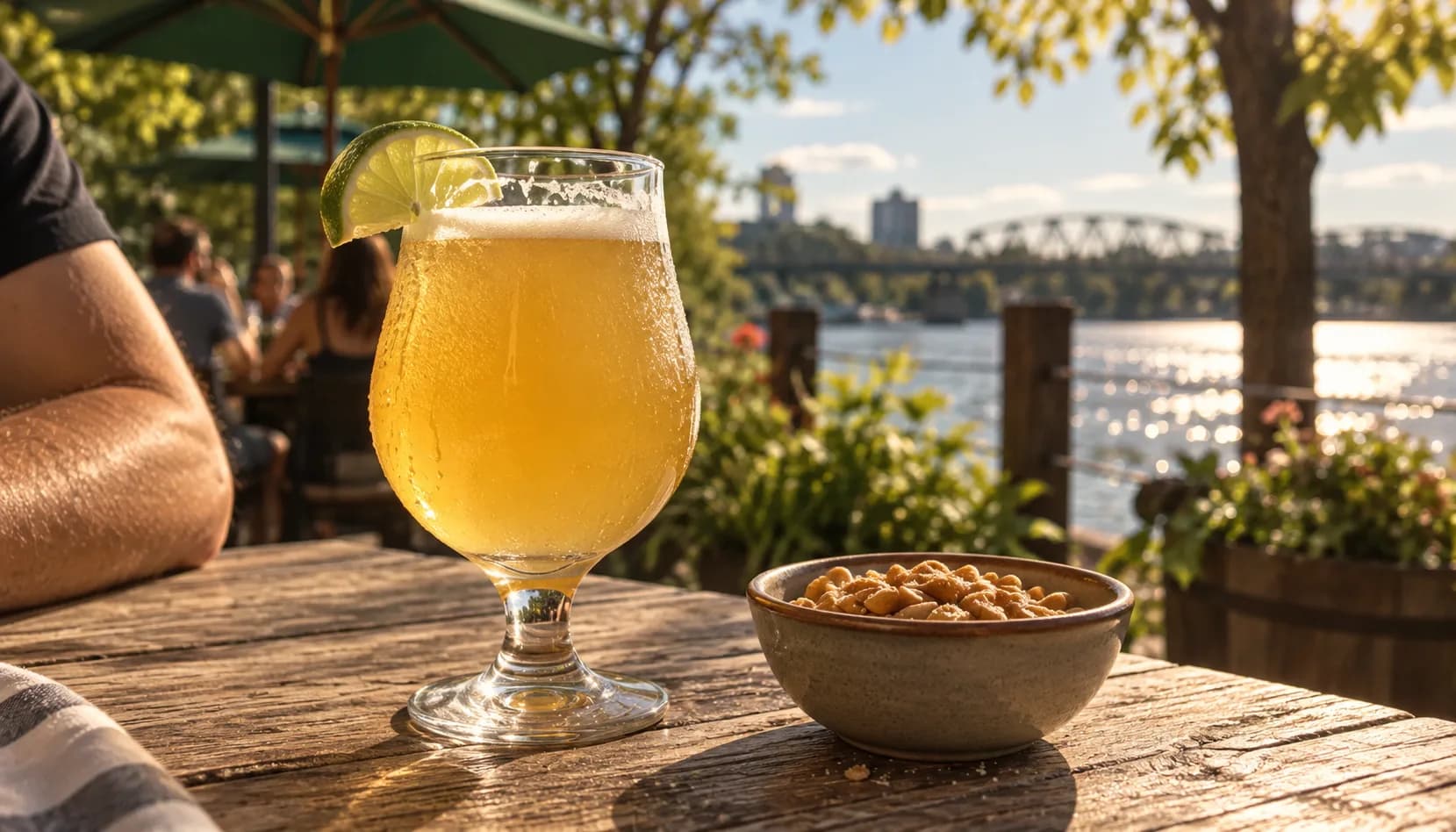
Heat calls for beers you can drink cold without getting weighed down. Pilsners and Kölsch are clean and snappy. Witbier is a hazy Belgian wheat beer spiced with orange peel and coriander. Gose is tart with a pinch of salt, and fruited sours taste like lemonade's grown-up cousin. Not sure about sours? Our guide to sour beers walks through them gently.
Fall: harvest time
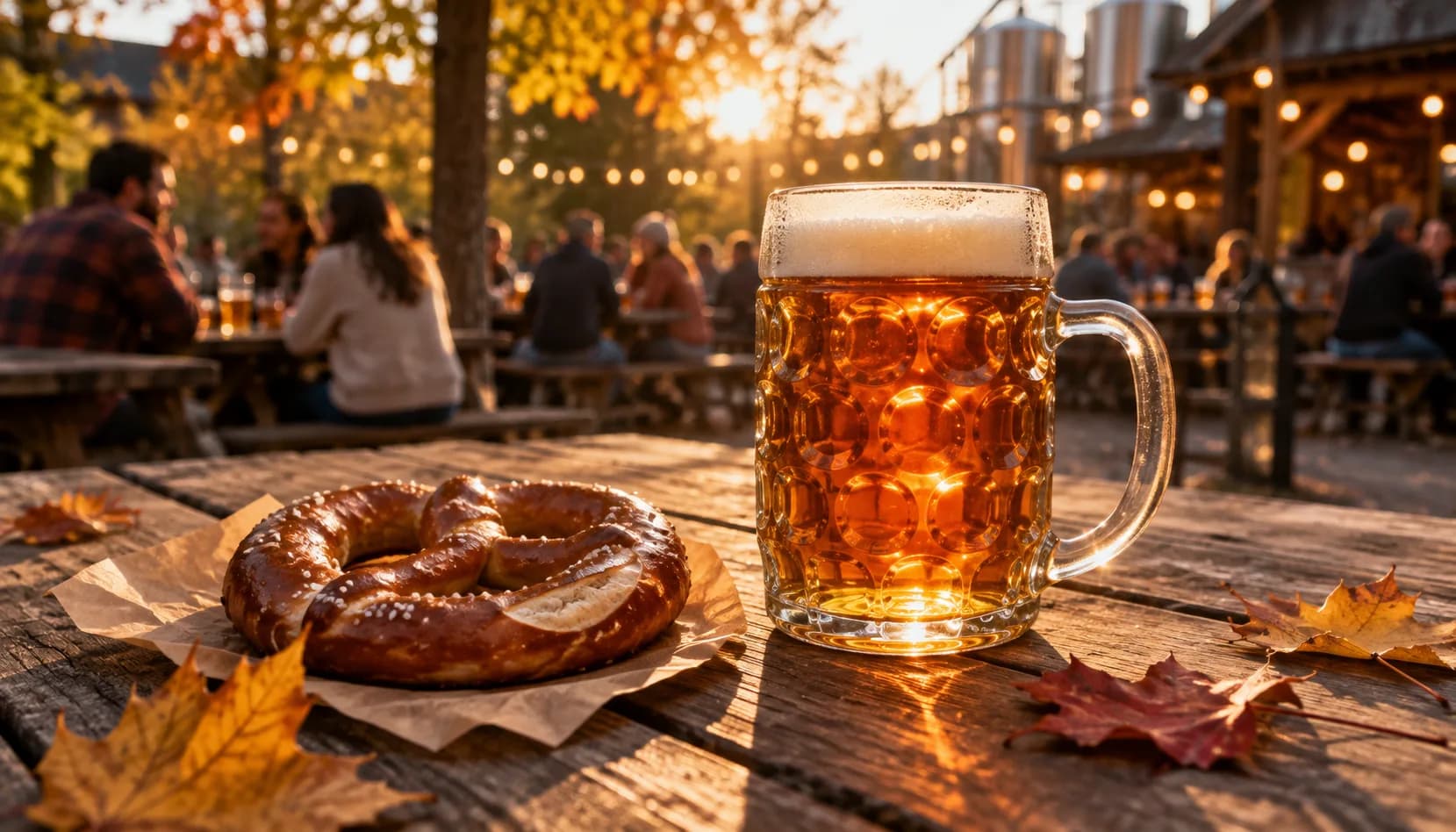
Fall has two headliners. Märzen, often sold as Oktoberfest beer, is an amber lager that's toasty and smooth. It was traditionally brewed in March and aged through the summer, ready for autumn festivals. The other is fresh-hop (or wet-hop) beer, brewed with hops that go from the field to the kettle within about a day of picking. It tastes green, grassy and juicy, and it fades fast, so drink it the week you see it. Our guide on how to tell if a beer is fresh helps here.
Winter: slow sipping
Cold weather is when breweries break out their biggest beers. Winter warmers are malty and sometimes spiced. Imperial stouts are dark, roasty and strong, often aged in whiskey barrels. Doppelbocks are rich German lagers with a long history as "liquid bread," and barleywines are strong ales with caramel and dried-fruit notes. These are sipping beers, poured in smaller glasses for a reason.
How to drink with the seasons

- Ask what's seasonal. Every brewery has a few taps that rotate. They're often the freshest thing on the board.
- Start light, finish dark. In fall and winter, order the lager first and the stout last so the big beer doesn't flatten the small one.
- Try a flight across seasons. Late September is great for this: a pilsner, an Oktoberfest, a fresh-hop and a stout on one paddle.
- Let big beers warm up. Winter beers taste better a few minutes out of the fridge, when the flavor opens up.
- Don't wait on fresh-hop. It's the one seasonal that won't keep. Buy it, drink it.
If lager and ale are still fuzzy words, lager vs. ale explained clears it up in five minutes.
FAQ
See the FAQ block at the end of the page for quick answers on fresh-hop beer, Oktoberfest styles and drinking out of season.
Let Barley keep track of the seasons for you
Seasonal taps come and go fast, and the one you'd love might only pour for three weeks. Barley reads the tap list at breweries you visit and points you at the beers that match your taste, so you catch the good ones before they rotate off.
→ Get the free Barley app → Read more Barley Reads, or head back to the Barley homepage.
Frequently asked questions
Keep reading
What Beer Should I Drink Tonight?
Not sure what beer to order? A quick decision path by mood, food and what you already like that lands you on a style in under a minute, with a cheat sheet.
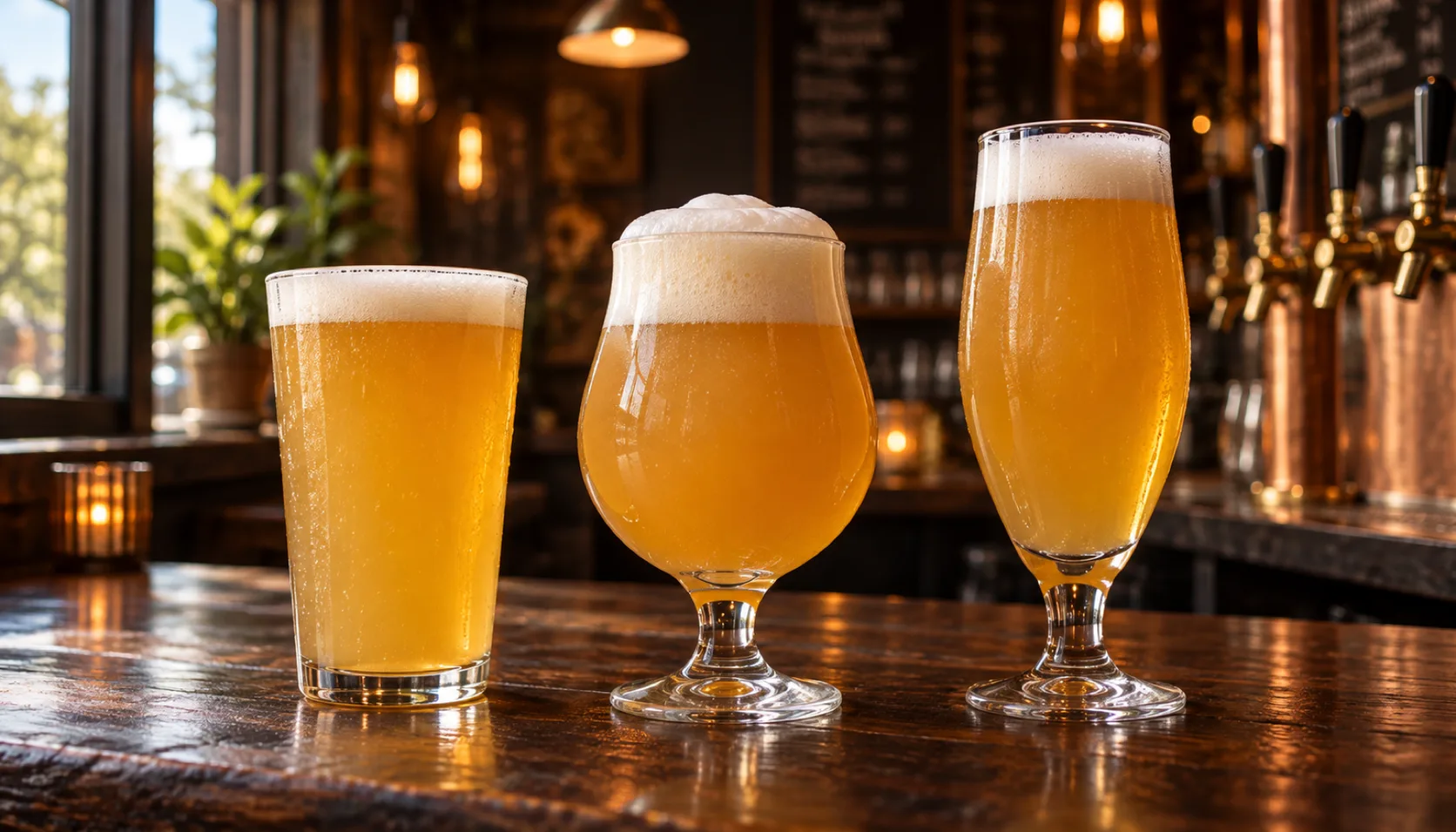
Why Glassware Changes How Your Beer Tastes
Glass shape changes what you smell, how the foam holds and how fast your beer warms. Here's which glass helps which style, with zero snobbery required.
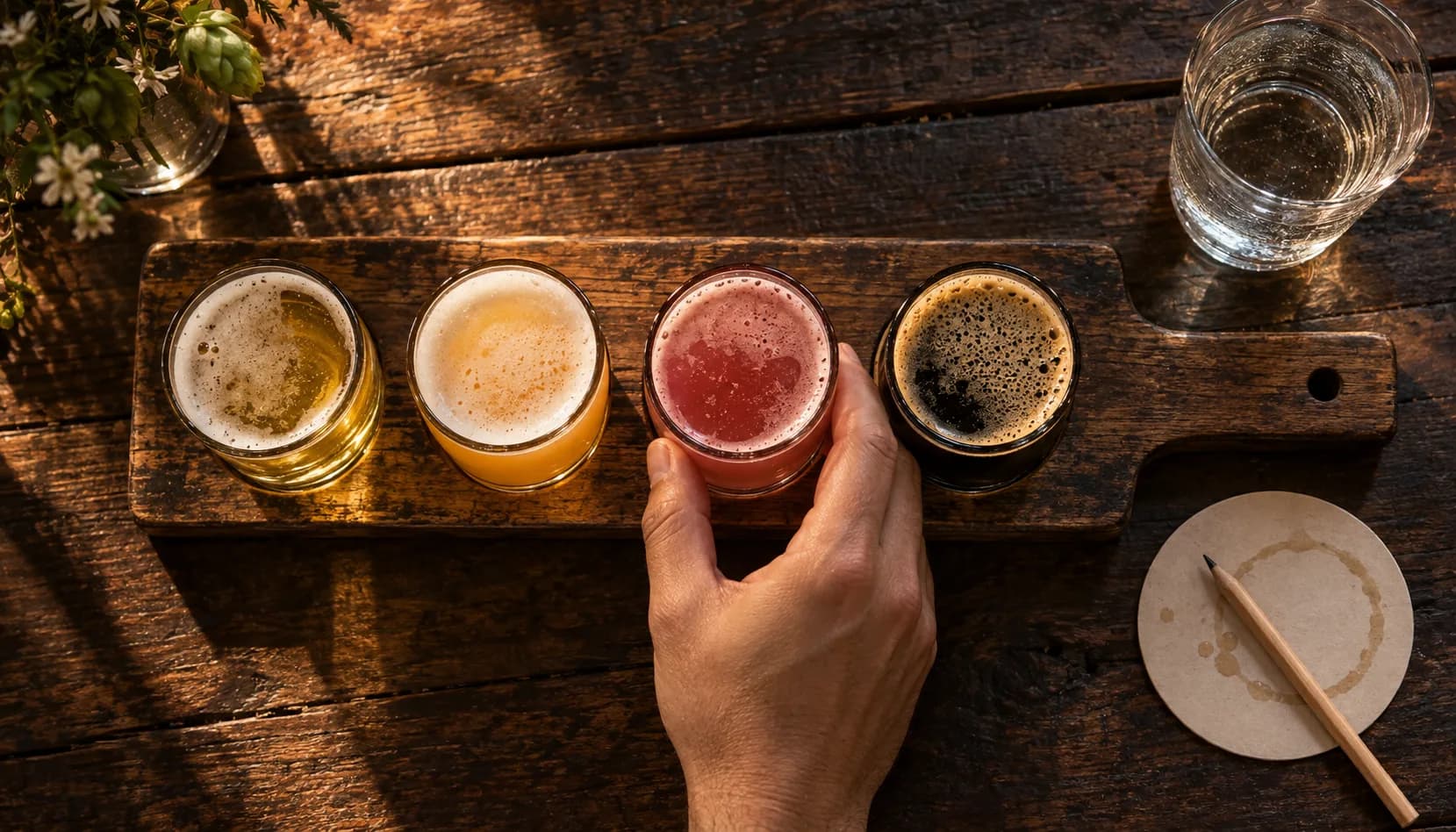
How to Build the Perfect Beer Flight
How to pick four beers that teach you something, taste them in the right order, and walk out of the taproom knowing which style to order next time.
Find your next favorite beer
Barley is the free app that learns your taste and tells you what to drink next — the freshest beers you’ll love at the breweries near you.