
How to Tell If a Beer Is Fresh (Without Being a Beer Nerd)
By Brian Winckel · Founder, Brewlytics.ai
Short Answer
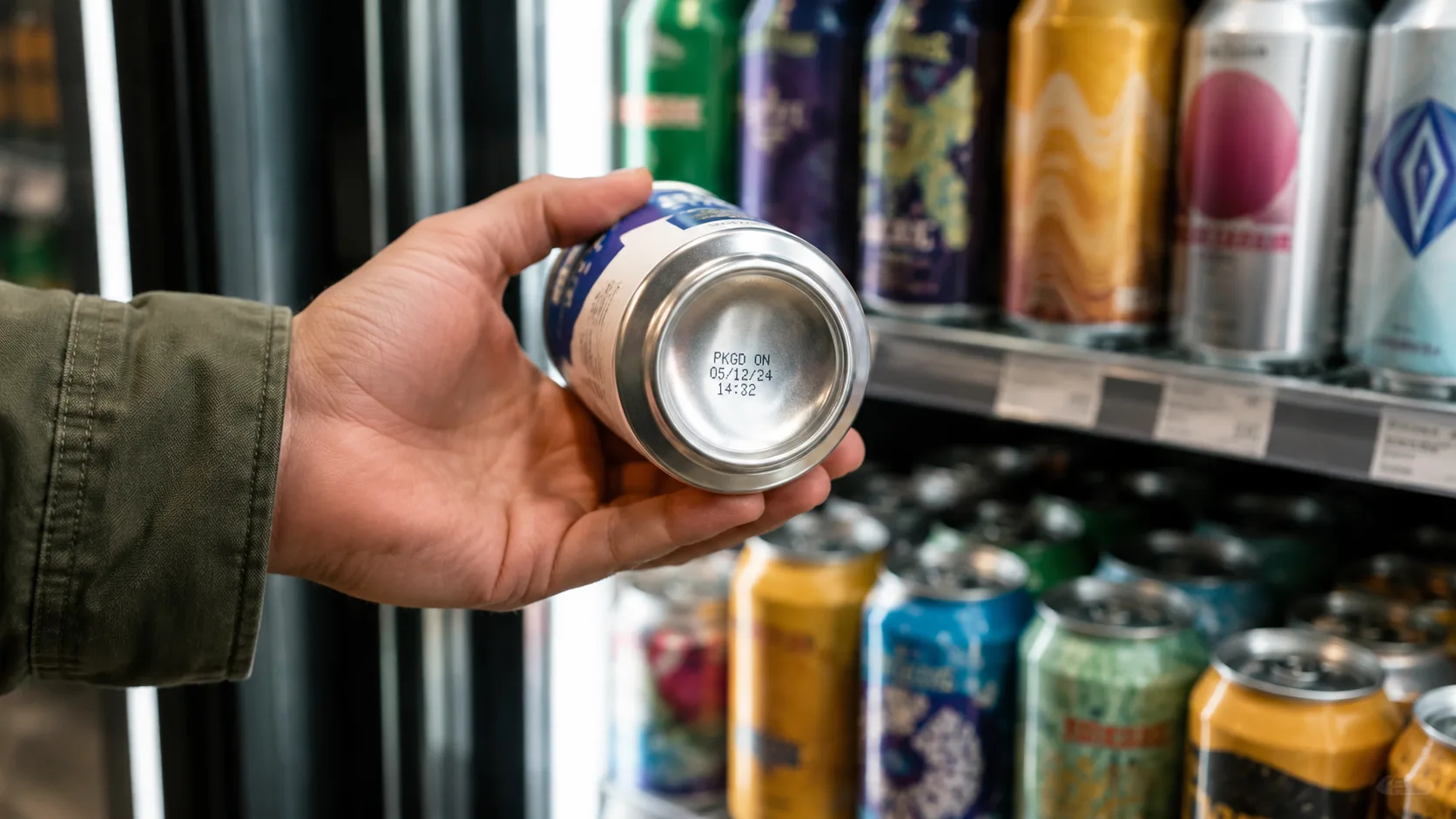
Find the 'packaged on' date — not 'best by' — and favor hoppy beers within about 3 months of it (2–6 weeks for hazy IPAs). Make sure it was kept cold and out of sunlight. At the glass, a fresh beer smells bright and lively; a faded one smells dull and tastes papery, cardboard-y, or sherry-like. Beer rarely becomes unsafe — it just stops being good. When a brewery prints a clear package date, take it as a green flag.
Barley's Take
Beer isn't milk — it won't make you sick. But an old IPA is just sad: all that work the brewer did, gone quiet. Drink hoppy beers like they're bananas, not canned soup.
The short version
Beer doesn't spoil the way milk does. The alcohol and hops keep it safe to drink long past its prime. What actually happens is quieter and sadder: the beer fades. The bright hop aroma drops out, the flavors flatten, and oxygen slowly turns a once-juicy IPA into something that tastes like wet cardboard.
So "is this beer fresh?" really means "is this beer still at its best?" Here's how to tell — no certification required.
Step 1: Find the date (and know which one it is)
Look on the bottom of the can, the neck of the bottle, or the side of the carton. You're hunting for one of two things:
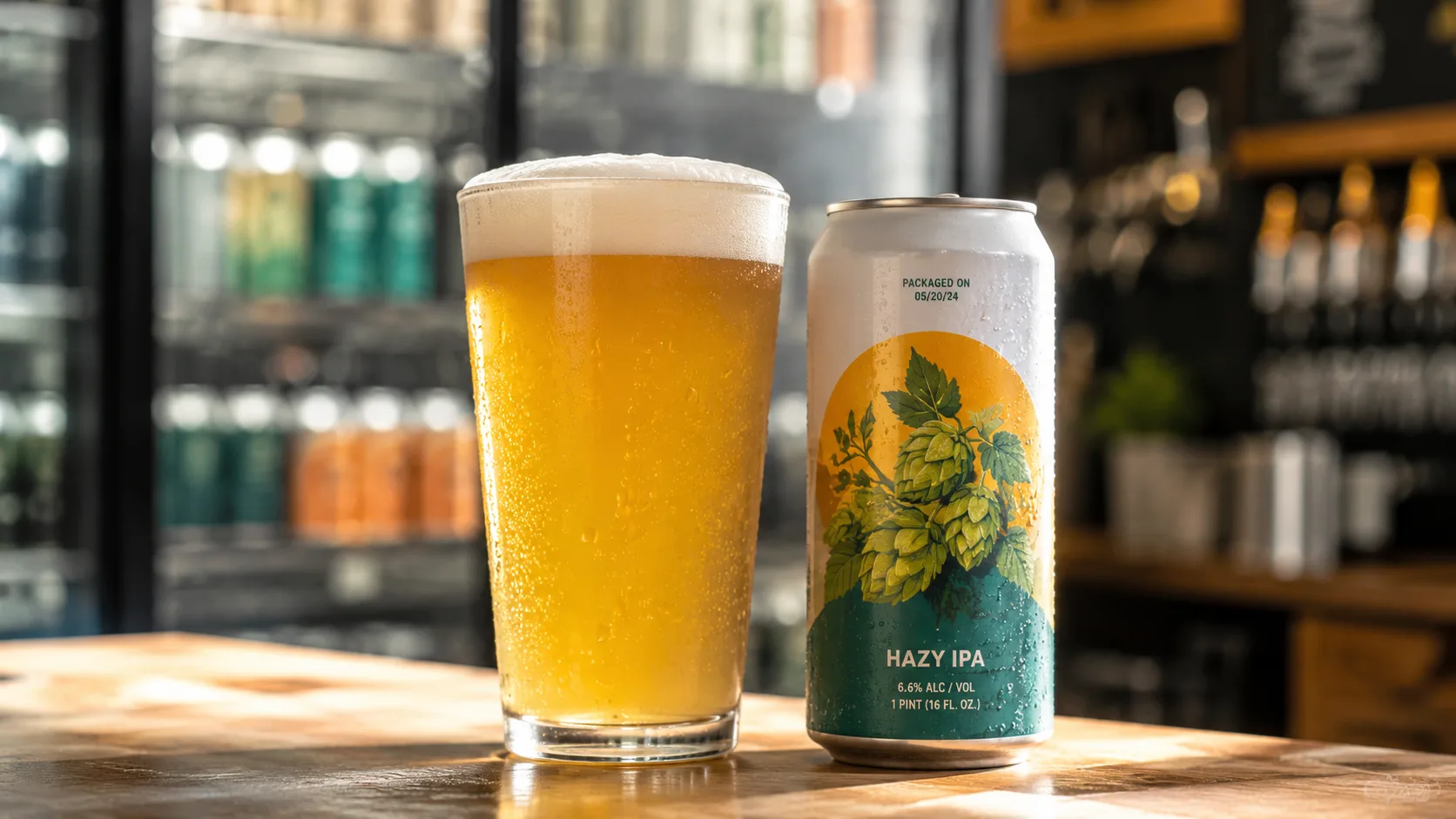
- "Packaged on" / "Canned on" — the gold standard. This is the day the beer went into the container, and freshness is counted from there.
- "Best by" / "Enjoy by" — useful, but fuzzier. Breweries pick this window themselves, so a "best by" six months out might mean very different things at two different breweries.
If you can find a packaged-on date, you can actually judge the beer. If all you get is a cryptic "best by," assume the beer was packaged a few months before it.
No date at all? That's a yellow flag. A brewery confident in its freshness usually tells you when it was made. (We feel strongly enough about this that we wrote a whole piece on it: no date, no buy.)
Step 2: Match the date to the style
Not every beer fades at the same speed. Roughly:
| Style | Drink it within |
|---|---|
| Hazy / New England IPA | 2–6 weeks |
| West Coast IPA, Pale Ale | 2–3 months |
| Lagers, Pilsners | 3–4 months |
| Stouts, Porters, Browns | 6–12 months |
| Barrel-aged, high-ABV, sours | 1 year+ (some improve) |
The pattern: the hoppier and lighter the beer, the faster it fades. The bigger and maltier (or more sour), the longer it holds. A barrel-aged imperial stout can sit happily for years. A hazy IPA is basically fresh produce.
Step 3: How it was stored matters as much as age
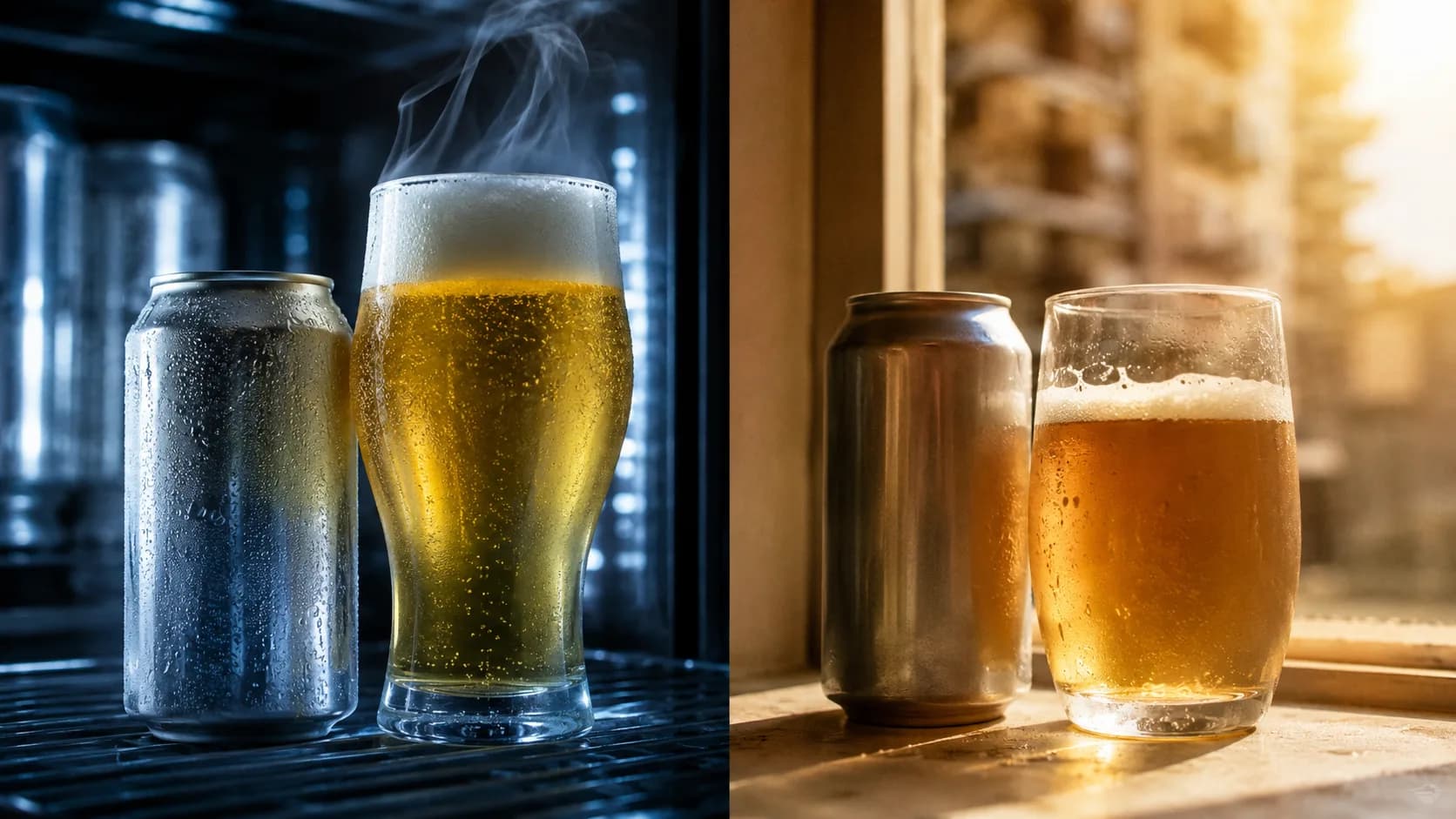
A three-week-old IPA that baked in a hot truck can taste worse than a three-month-old one kept cold. Two things wreck beer faster than time:
- Heat. Warm storage speeds up staling. Cold-stored beer ages in slow motion. If a shop keeps its craft beer in the cooler, that's a great sign.
- Light. UV light "skunks" beer in minutes by reacting with hop compounds. That's why beer comes in cans and brown bottles. Clear or green glass sitting under shop lights? Risky.
Step 4: Trust your nose and tongue
Once it's poured, your senses will tell you:
- Fresh: lively aroma, bright hop or malt character, clean finish.
- Faded: dull or flat smell, muted flavor, a papery / wet-cardboard note (that's oxidation), or a sweet sherry-like taste in hoppy beers.
- Light-damaged: an unmistakable "skunky" smell — that's storage, not age.
None of this is dangerous. It's just the difference between the beer the brewer made and a tired echo of it.
The easy mental model
Treat beer like fruit, not canned goods. Hoppy beers are bananas — buy them ripe, drink them soon. Big dark beers and sours are more like a wheel of cheese — patient, sometimes better with time.
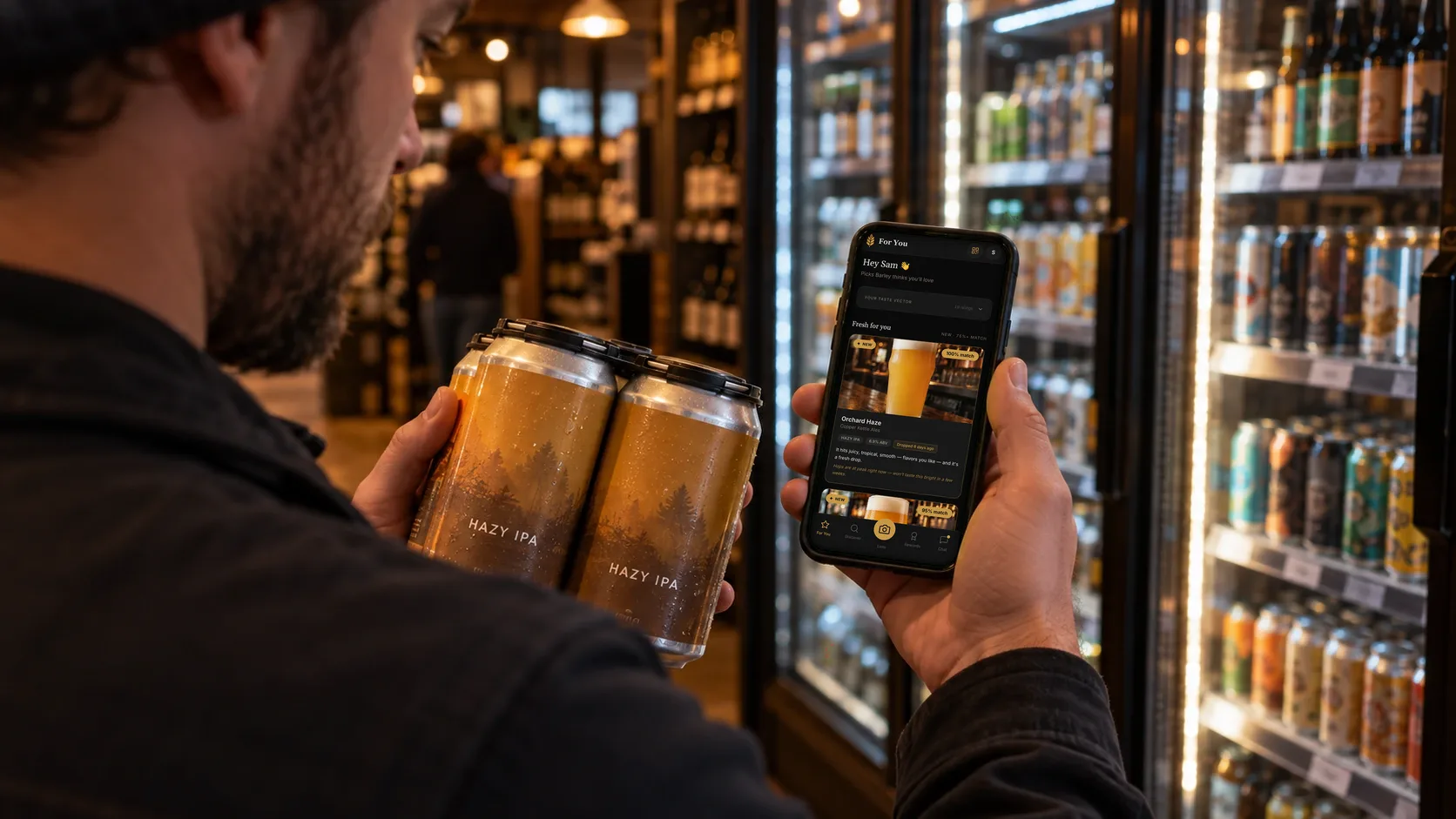
Want the guesswork taken out entirely? The Barley app flags beers near peak freshness and learns which styles you actually like, so the freshest thing on the board that fits your taste rises to the top. Get Barley free →
FAQ
(See the schema-ready FAQ block at the end of the page — it covers whether beer goes bad, packaged-on vs. best-by dates, how long IPAs last, and what makes a beer taste skunky.)
Frequently asked questions
Keep reading
Why Does Beer Taste Different on Tap vs. in a Can?
The same beer can taste softer on tap and crisper from a can. Why — carbonation, temperature, freshness, and the glass — and how to get the best pour.
What Beer Should I Drink Tonight?
Not sure what beer to order? A quick decision path by mood, food and what you already like that lands you on a style in under a minute, with a cheat sheet.
Seasonal Beer Guide: What to Drink and When
Crisp lagers and sours in summer, Oktoberfest and fresh-hop in fall, stouts in winter. A season-by-season beer map, and why each style fits its time of year.
Find your next favorite beer
Barley is the free app that learns your taste and tells you what to drink next — the freshest beers you’ll love at the breweries near you.