
What Is a Hazy IPA — and Why Is Everyone Obsessed?
By Brian Winckel · Founder, Brewlytics.ai
Short Answer
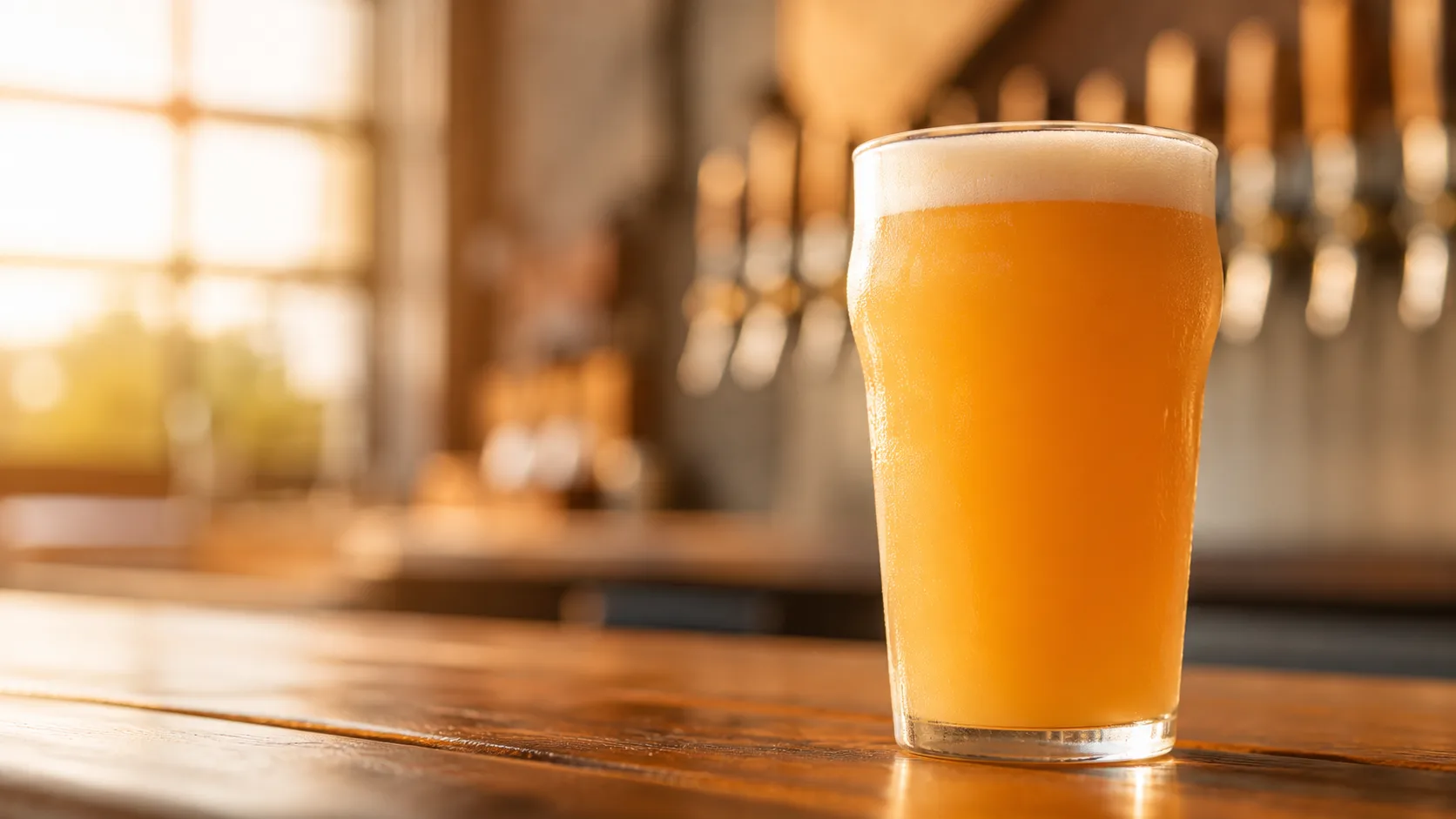
A hazy IPA — also called a New England IPA or NEIPA — is a deliberately cloudy, juicy, soft IPA that tastes like tropical fruit instead of bitter pine. The haze comes from oats and wheat, special yeast, and tons of late- and dry-hopping, which load it with mango-and-orange aroma while keeping bitterness low. That's what separates it from a clear, dry, aggressively bitter West Coast IPA. The one rule that matters: hazies are the divas of freshness. That juicy character fades within weeks, so buy them fresh, keep them cold, and don't let them sit.
Barley's Take
The hazy IPA is the beer that converted a generation of 'I don't like IPAs' people, because it ditched the bitterness and kept the fun. But it's high-maintenance — that juicy magic has a short shelf life. Treat a hazy like fresh produce, not a fine wine: buy it fresh, drink it fast, and never, ever cellar it.
The short version
Ten years ago, "IPA" meant one thing: clear, gold, and aggressively bitter — a beer you had to earn a taste for. Then a cloudy, juicy, almost gentle version showed up, took over every taproom in America, and converted a small army of people who'd sworn off IPAs forever.
That's the hazy IPA. Here's what it actually is, why it looks like orange juice, how it's different from the IPA your uncle drinks, and the one thing you absolutely need to know before you buy one.
So what makes it hazy?
The cloudiness is on purpose. A hazy IPA gets its signature murk from three things working together:
- High-protein grains — oats and wheat, which leave proteins suspended in the beer instead of settling out clear.
- Specific yeast strains — ones that stay a little hazy and throw off fruity flavors as they ferment.
- A ton of hops added late — during and after fermentation, which leaves hop compounds floating in suspension.
Put them together and you get that opaque, glowing, orange-juice look. So if someone hands you a "hazy" that's crystal clear, something went sideways — the haze is the whole point.
Why it tastes juicy (and barely bitter)
Here's the part that breaks people's brains: a hazy IPA can smell explosively of hops — mango, orange, pineapple, passionfruit — and still taste soft and smooth, with almost none of the bitter bite.
The secret is when the hops go in. Bitterness comes from boiling hops for a long time. But hazies get most of their hops added late — at the very end of the boil and during fermentation, a technique called dry-hopping. That extracts all the loud tropical aroma and juicy flavor while skipping most of the bitterness.
The result is a beer that drinks like spiked fruit juice with a pillowy, almost creamy body. That's exactly why so many "I don't like IPAs" people fell hard for it — the thing they didn't like (the bitterness) is mostly gone.
Hazy vs. West Coast IPA
The two big IPA camps are easy to tell apart once you know what you're looking at:
| Hazy / New England IPA | West Coast IPA | |
|---|---|---|
| Look | Cloudy, opaque, orange-gold | Clear, bright gold |
| Flavor | Juicy, tropical, soft | Piney, citrusy, crisp |
| Bitterness | Low | High |
| Body | Soft, creamy | Dry, lean |
| Vibe | Fruit-forward and gentle | Sharp and bracing |
Neither is better — they're two different moods. If you like bold and bitter, go West Coast. If you like juicy and smooth, go hazy. (New to the whole map of styles? Start with our field guide to what IPAs, lagers, and stouts taste like.)
The catch: hazies don't keep
Here's the one rule that matters more than anything else with this style. A hazy IPA is the most fragile beer on the board.
That gorgeous juicy, tropical character? It's delicate, and it starts fading fast — often noticeably within a few weeks of being canned. Let a hazy sit too long and the bright mango-and-orange magic dulls into something flat, papery, and a little grassy. It's the canary in the freshness coal mine: no style punishes age more.
So treat a hazy IPA like fresh produce, not a bottle of wine:
- Check the packaged-on date and buy the freshest one in the cooler.
- Keep it cold — heat and light speed up the decline.
- Drink it soon — weeks, not months.
- Never age it. Cellaring a hazy only makes it worse.
This is exactly why a brewery that prints clear packaging dates is doing you a favor. We went deep on the whole topic here: how to tell if a beer is fresh.
Should you try one?
If you've ever said "I don't like IPAs," the hazy is the one to test that theory on — it's the friendliest, fruitiest, least bitter entry point the style has. And if you already love bold hoppy beer, a fresh hazy is one of the most aromatic experiences in all of craft.
Just remember the freshness rule and you'll always catch it at its best.
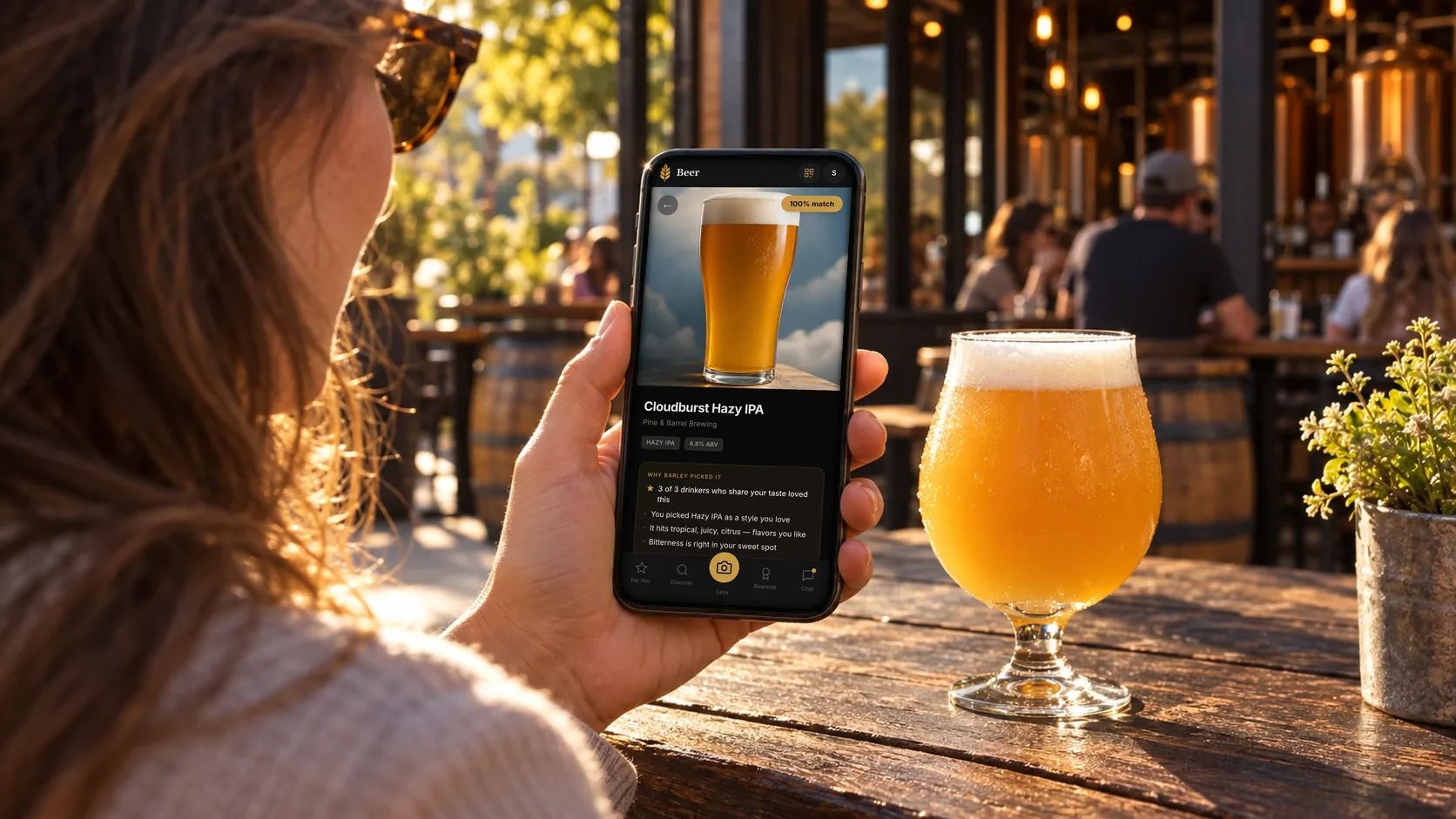
Want to know whether a juicy hazy actually fits your taste — and which fresh ones are pouring near you? The Barley app learns the styles and flavors you love and points you to the freshest beers that match. Get Barley free → · More Barley Reads →
FAQ
(See the schema-ready FAQ block at the end of the page — it covers what a hazy IPA tastes like, whether it's the same as a New England IPA, why it's cloudy, whether it's bitter, and how fast it goes bad.)
Frequently asked questions
Keep reading
What Beer Should I Drink Tonight?
Not sure what beer to order? A quick decision path by mood, food and what you already like that lands you on a style in under a minute, with a cheat sheet.
Seasonal Beer Guide: What to Drink and When
Crisp lagers and sours in summer, Oktoberfest and fresh-hop in fall, stouts in winter. A season-by-season beer map, and why each style fits its time of year.
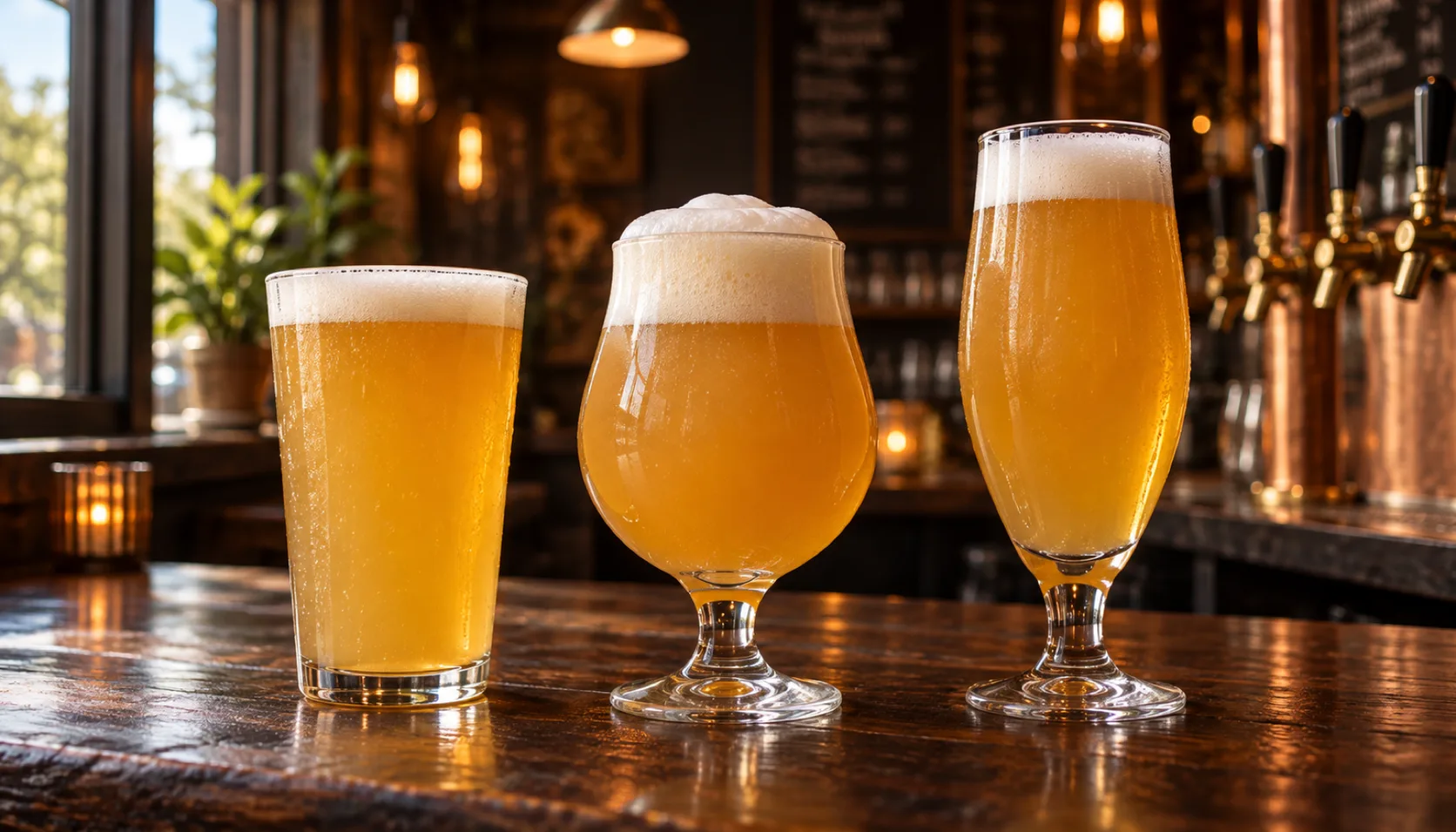
Why Glassware Changes How Your Beer Tastes
Glass shape changes what you smell, how the foam holds and how fast your beer warms. Here's which glass helps which style, with zero snobbery required.
Find your next favorite beer
Barley is the free app that learns your taste and tells you what to drink next — the freshest beers you’ll love at the breweries near you.