
Why the Cooler Matters: How Cold Storage Protects Hoppy Beer
By Brian Winckel · Founder, Brewlytics.ai
Short Answer
Heat makes hoppy beer age faster. Warm storage speeds up the reactions that fade hop aroma and cause staling, while a fridge slows them right down. So an IPA's storage history matters as much as its date: buy it from the cooler, get it home quickly and keep it cold.
Barley's Take
The date on the can tells you how old the beer is. The cooler tells you how old it tastes.
The short version
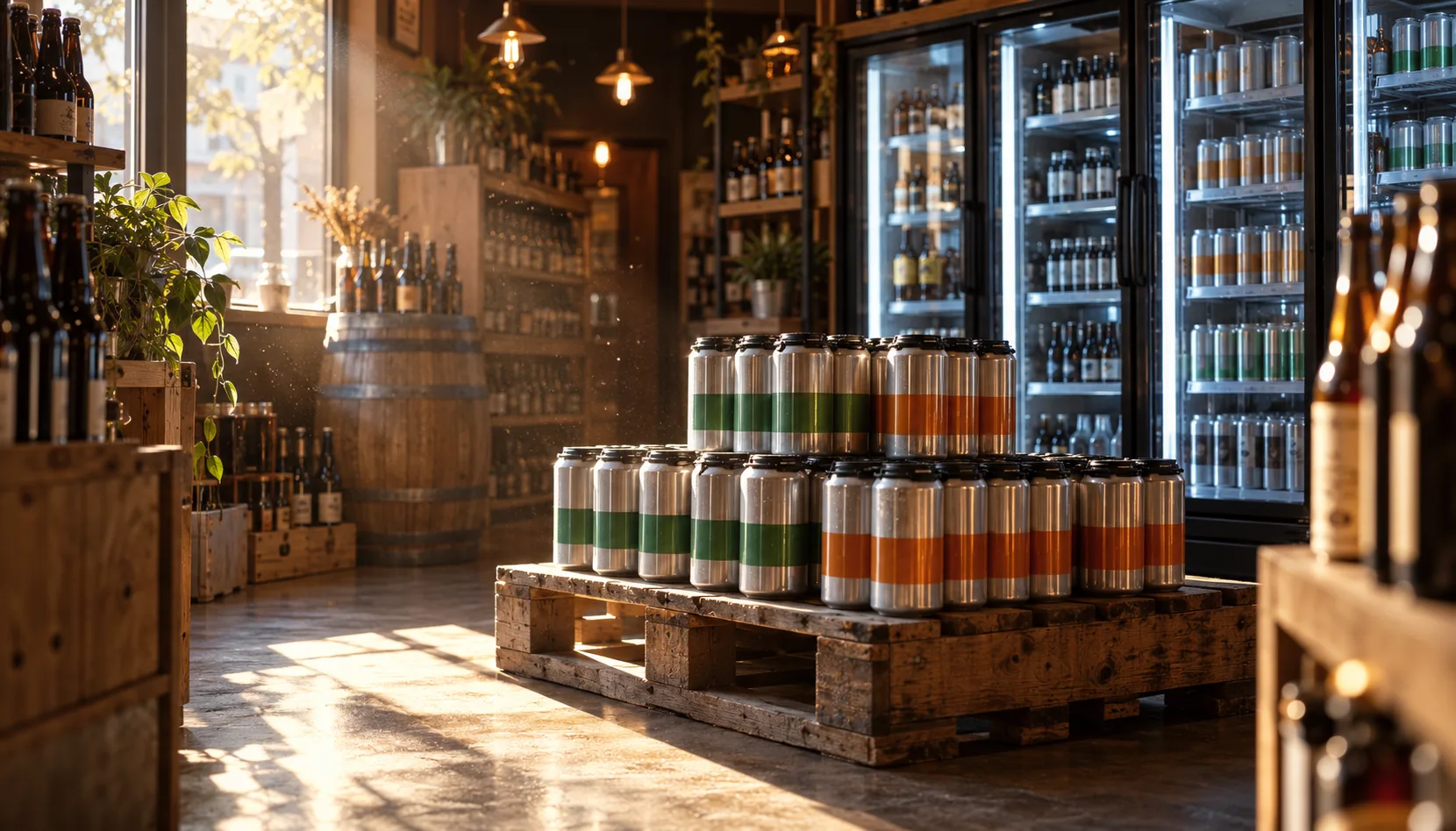
You can pick up two cans of the same IPA with the same package date and end up with two different beers. One sat in a cooler the whole way from the brewery. The other spent a week on a sunny shelf by the shop window.
The cold one tastes the way the brewer meant: bright, juicy, loud with hops. The warm one tastes tired. That's because heat makes beer age faster, and hoppy beer is the style that shows it first.
What heat actually does to hoppy beer
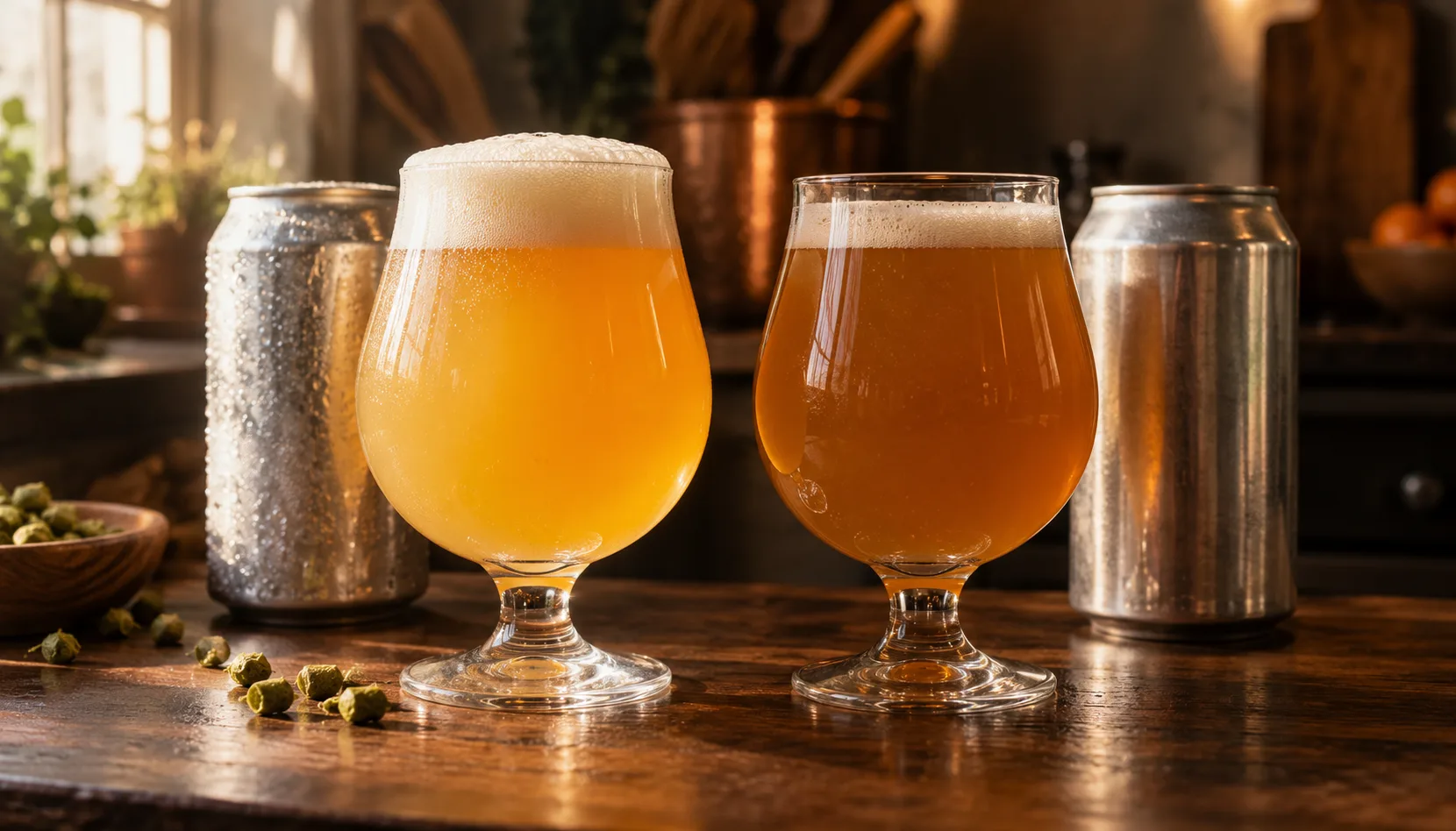
Beer is never quite finished changing. Even sealed in a can, small chemical reactions keep going. Two of them matter most for an IPA.
Hop aroma fades. The citrus, tropical and piney smells in an IPA come from delicate oils in the hops. Those compounds break down and change over time, and they're the first part of the beer to go. The bitterness tends to hang around longer, so an old IPA can taste harsh and empty at once.
The beer goes stale. A tiny amount of oxygen gets into almost every package, and over time it reacts with the beer. Brewers call the result staling: a papery, wet-cardboard or sweet sherry-like taste.
Like most chemical reactions, both of these run faster when it's warm and slower when it's cold. A fridge can't stop a beer from aging, but it slows it to a crawl.
How much difference temperature makes
Brewers have a rough guideline for this called the 3-30-300 rule. It says beer loses about as much flavor in 3 days at 90°F as it does in 30 days at room temperature (72°F) or 300 days at 38°F, about fridge temperature (Tasting Table).
It's a simplification, but it makes the point well:
| Where the beer sits | Roughly how fast it ages |
|---|---|
| Hot car or sunny window, around 90°F | Very fast |
| Room-temperature shelf, around 72°F | About ten times slower than that |
| Fridge or cooler, around 38°F | About ten times slower again |
For a stout or a barleywine, that matters less. Those beers are built to hold up, and some get better with age. For a hazy IPA, where the whole point is fresh hop aroma, a warm month can take away what you're paying for.
How to buy and keep hoppy beer cold
You don't need a thermometer. A few habits cover it:
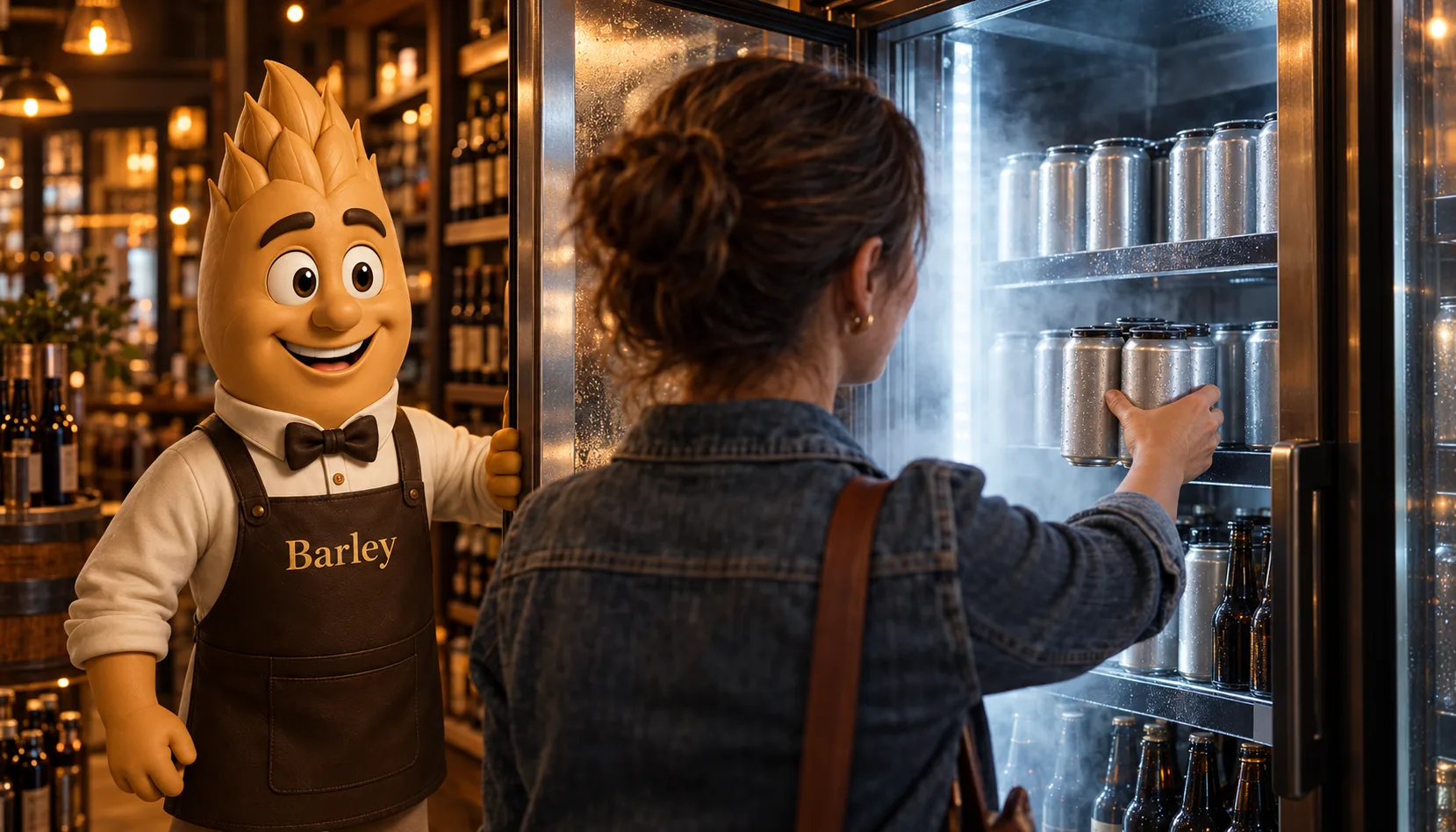
- Shop the cooler first. If the same IPA is on a warm shelf and in the cooler, take the cold one.
- Be wary of the sunny display. Stacks by the front window look great and get the most heat. Light can also skunk beer in clear or green bottles.
- Check the date too. Cold storage slows aging but doesn't reverse it. Here's how to read the date on a can.
- Make the beer run your last stop. A trunk in summer heats up fast. Don't let the six-pack ride around while you run errands.
- Fridge it when you get home. Don't leave it on the counter "for later." Cans and bottles are best stored upright.
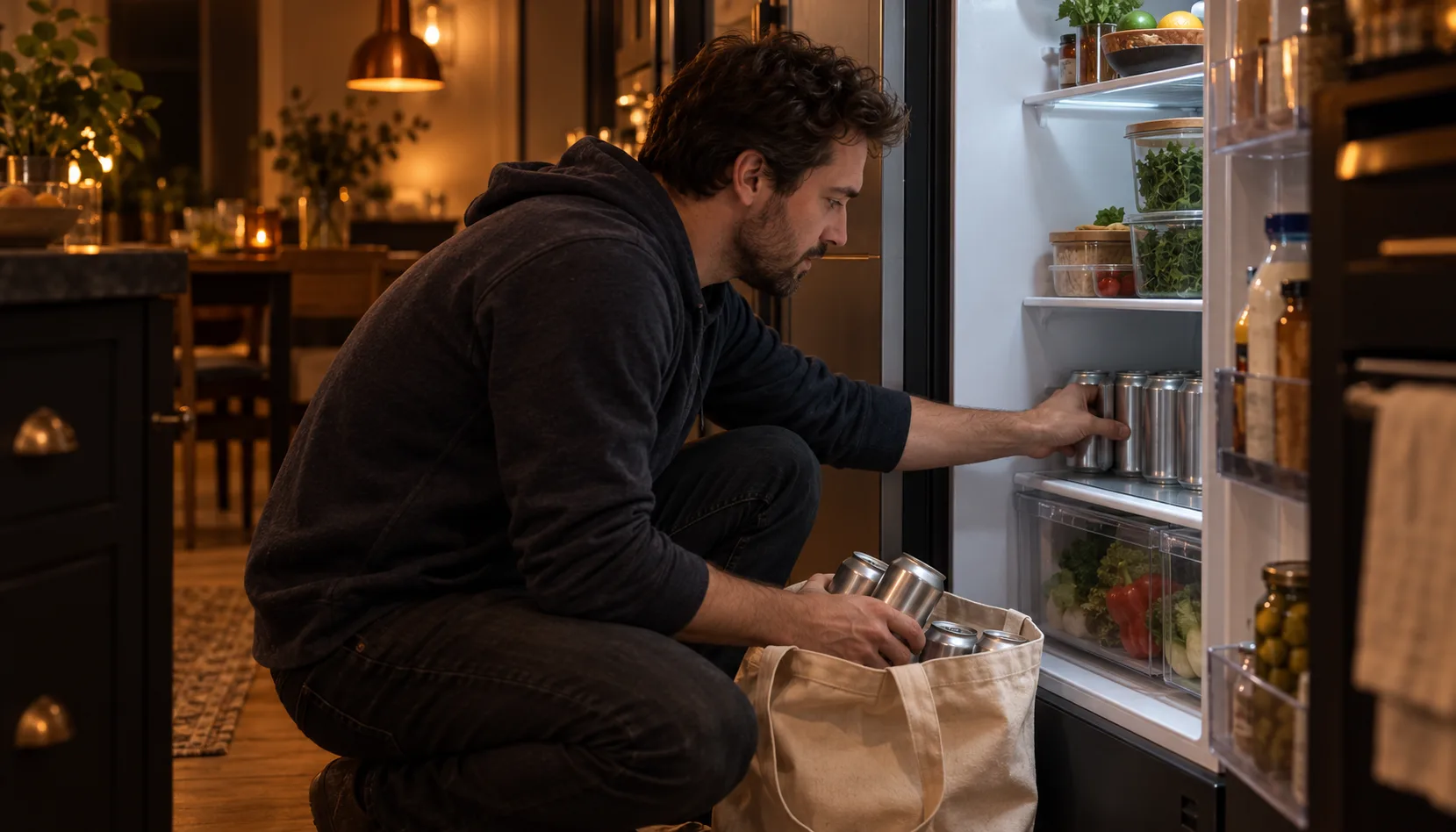
And if a beer went from cold to warm and back again? That isn't harmful in itself. What counts is how long it spent warm. A short trip home is fine. A week in the garage isn't.
For the full picture of what fresh tastes like, see how to tell if a beer is fresh.
Where Barley fits
Barley Lens, coming to the Barley app, is built to scan a shelf, rank what's there against your taste and flag freshness risk, including when a hoppy beer has no date. It can't see how warm a shelf has been, so the cooler habit is still yours.
Until Lens arrives, the Barley app already learns which styles you like, so you know which beers are worth being picky about. See what Lens will do.
FAQ
See the schema-ready FAQ block at the end of the page for the full set.
Drink it the way the brewer meant
Keeping it cold is how a hoppy beer still tastes like itself when you open it. Get Barley free to find the styles you love, and find more like this in Barley Reads or on the Barley home page.
Frequently asked questions
Keep reading
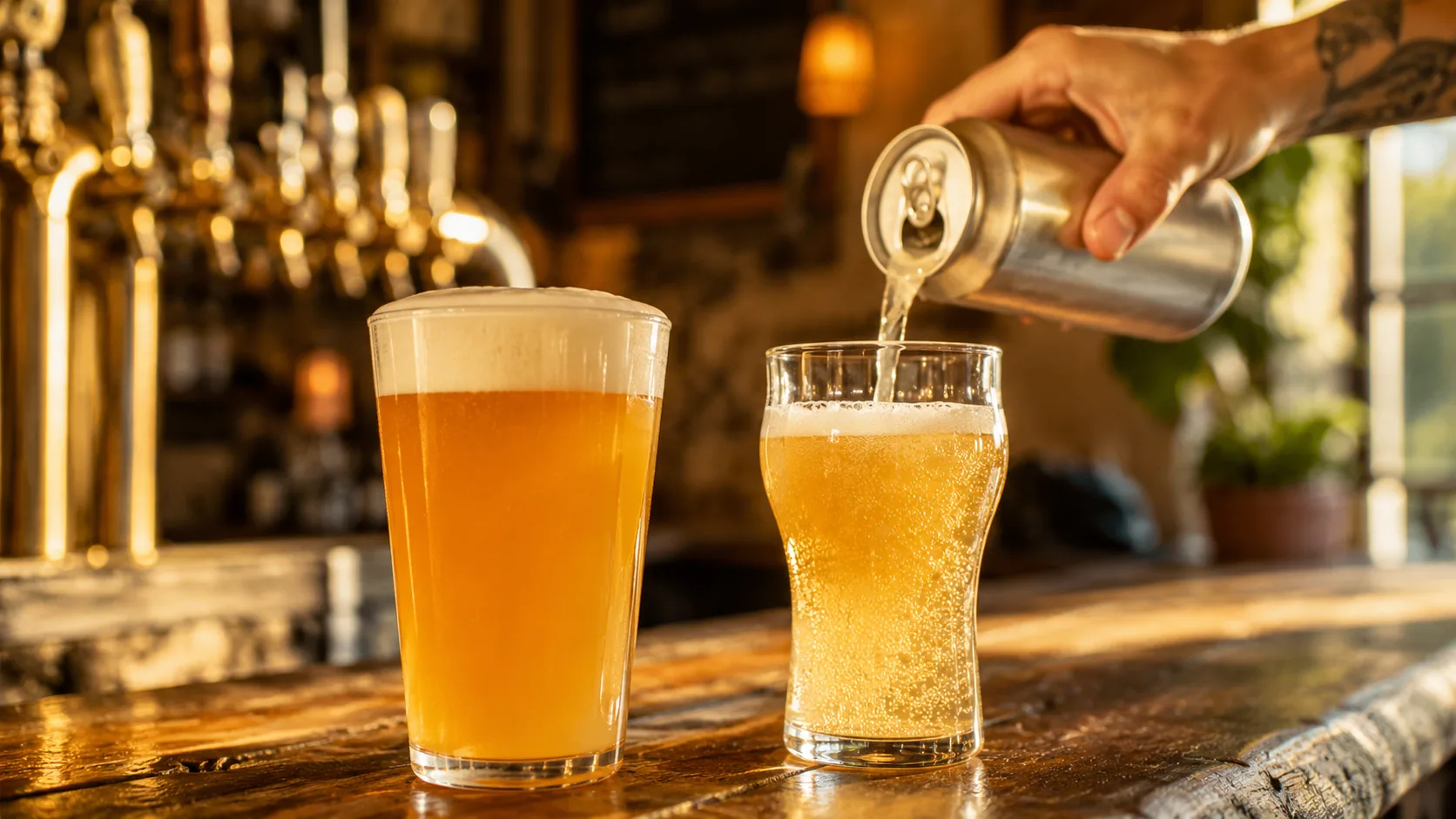
Why Does Beer Taste Different on Tap vs. in a Can?
The same beer can taste softer on tap and crisper from a can. Why — carbonation, temperature, freshness, and the glass — and how to get the best pour.
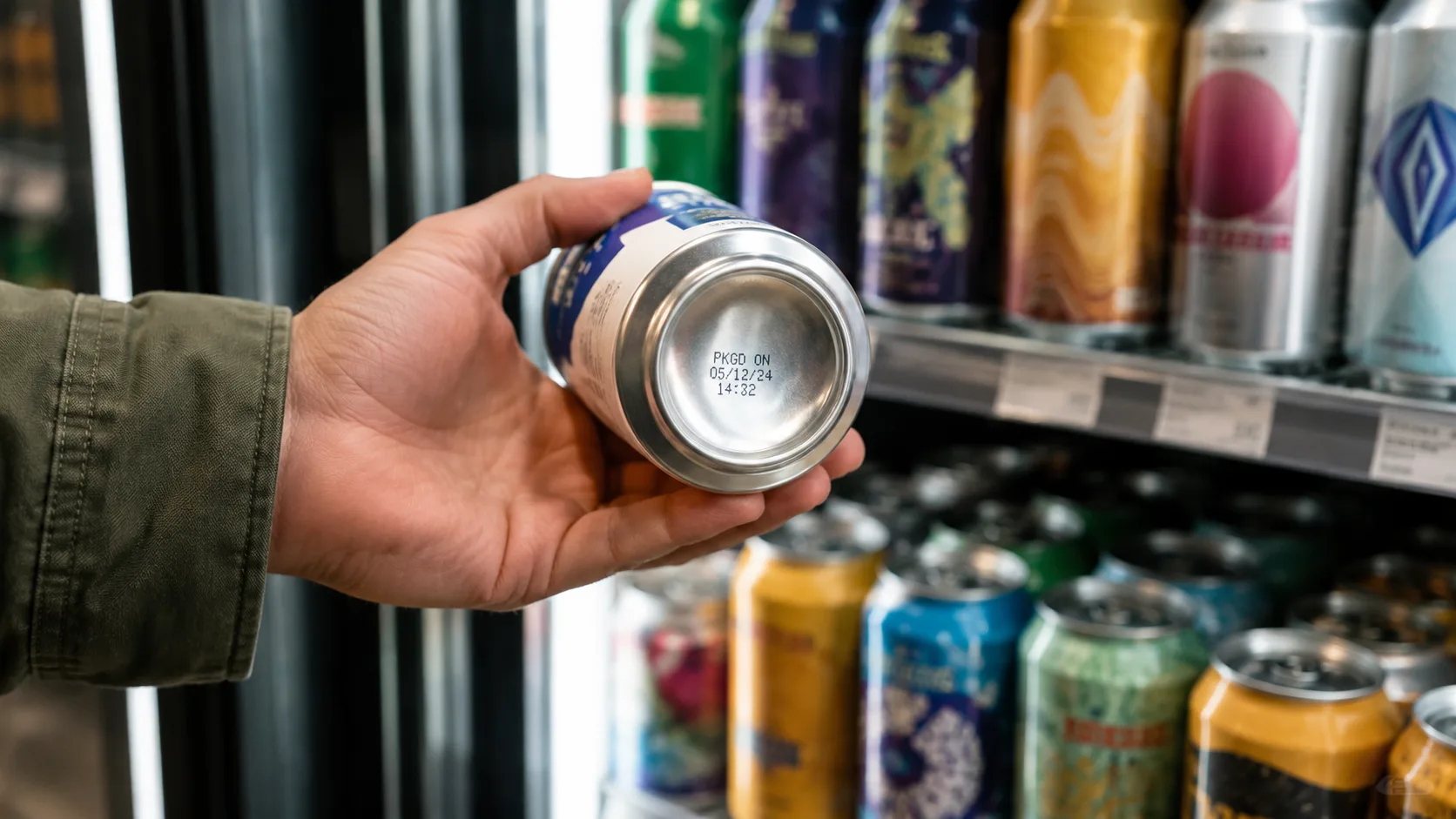
How to Tell If a Beer Is Fresh (Without Being a Beer Nerd)
Freshness makes or breaks a beer — especially hoppy ones. Here's how to read the can, spot the warning signs, and never waste money on a stale six-pack again.
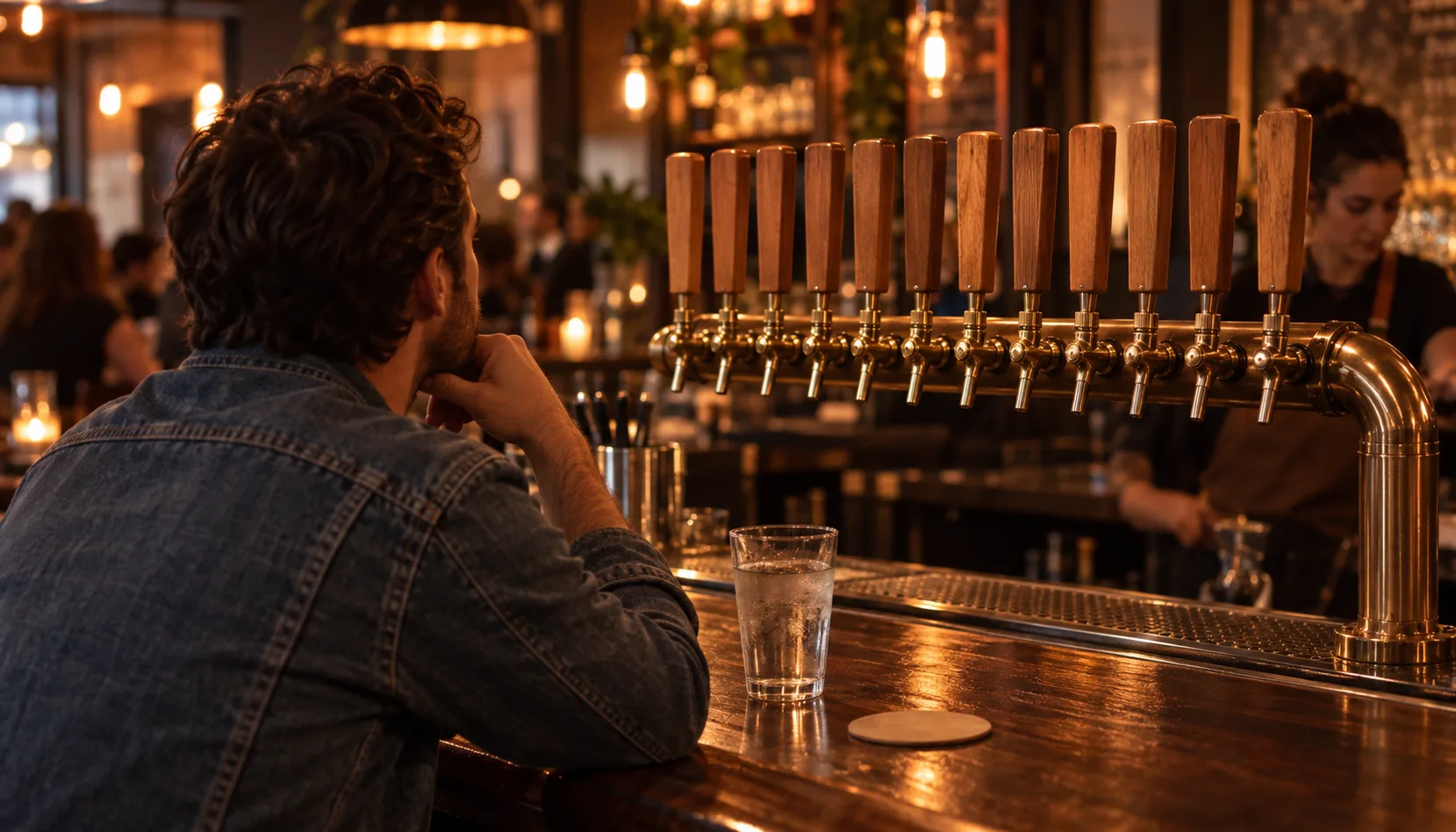
What Beer Should I Drink Tonight?
Not sure what beer to order? A quick decision path by mood, food and what you already like that lands you on a style in under a minute, with a cheat sheet.
Find your next favorite beer
Barley is the free app that learns your taste and tells you what to drink next — the freshest beers you’ll love at the breweries near you.