
Best Mug Club App & Software for Breweries (2026)
By Brian Winckel · Founder, Brewlytics.ai
Short Answer
There is no single best mug club app — there are five kinds of tool, and the right one depends on which job you are actually struggling with. If dues and renewals are the problem, a dedicated club platform like MugClub.beer (free to 100 members, then $49–$149/mo, verified 2026-08-18) or a membership biller like Submatic solves it cheaply. If you want a branded app and push notifications, TapWyse and LoyalBrew are built for that. But if the question is whether the club is actually adding visits, you need something reading your POS — because member visits and spend live in Square, Toast or Arryved, not in the membership tool.
Barley's Take
Every one of these will happily bill a member $150 a year. Exactly one question separates them: can it tell you whether that member drank more beer than they would have anyway?
Why This Matters for Breweries
Mug club dues are the most reliable money in a taproom. They arrive before the beer is poured, from people who have already decided they like you, on a schedule. Which is why the software running the club matters more than it looks like it should — a leaky club doesn't fail loudly, it just quietly stops renewing.
The failure is almost always the same. A brewery sells 140 memberships at $150, hands out numbered mugs, and keeps the roster in a spreadsheet. Eleven months later nobody knows which members are current, the bartender is guessing from memory, thirty renewals get missed because no one sent a reminder, and the owner cannot answer the only question that matters: did members visit more after joining than before?
Software fixes some of that. Most mug club software in 2026 is very good at billing and very weak at proof — the tools live outside the point of sale, so they know what a member paid you and nothing about what a member drank. That gap is the buying decision, and everything below sorts the market against it.
How It Works: What Mug Club Software Actually Has to Do
The four jobs
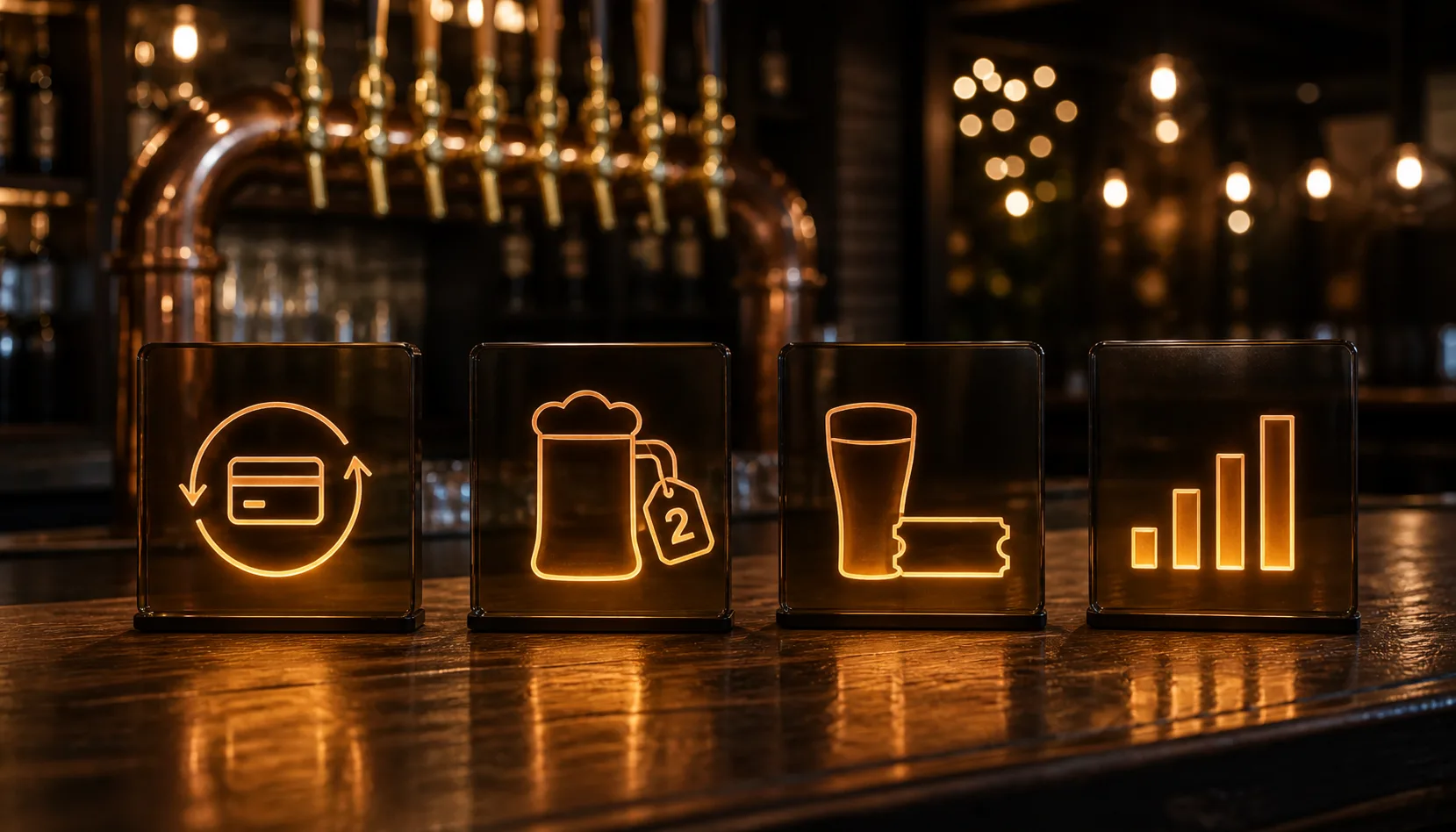
- Sell and bill the membership. Take money at signup, store a card, charge dues on schedule, and handle lapses and renewals without anyone remembering to send an email.
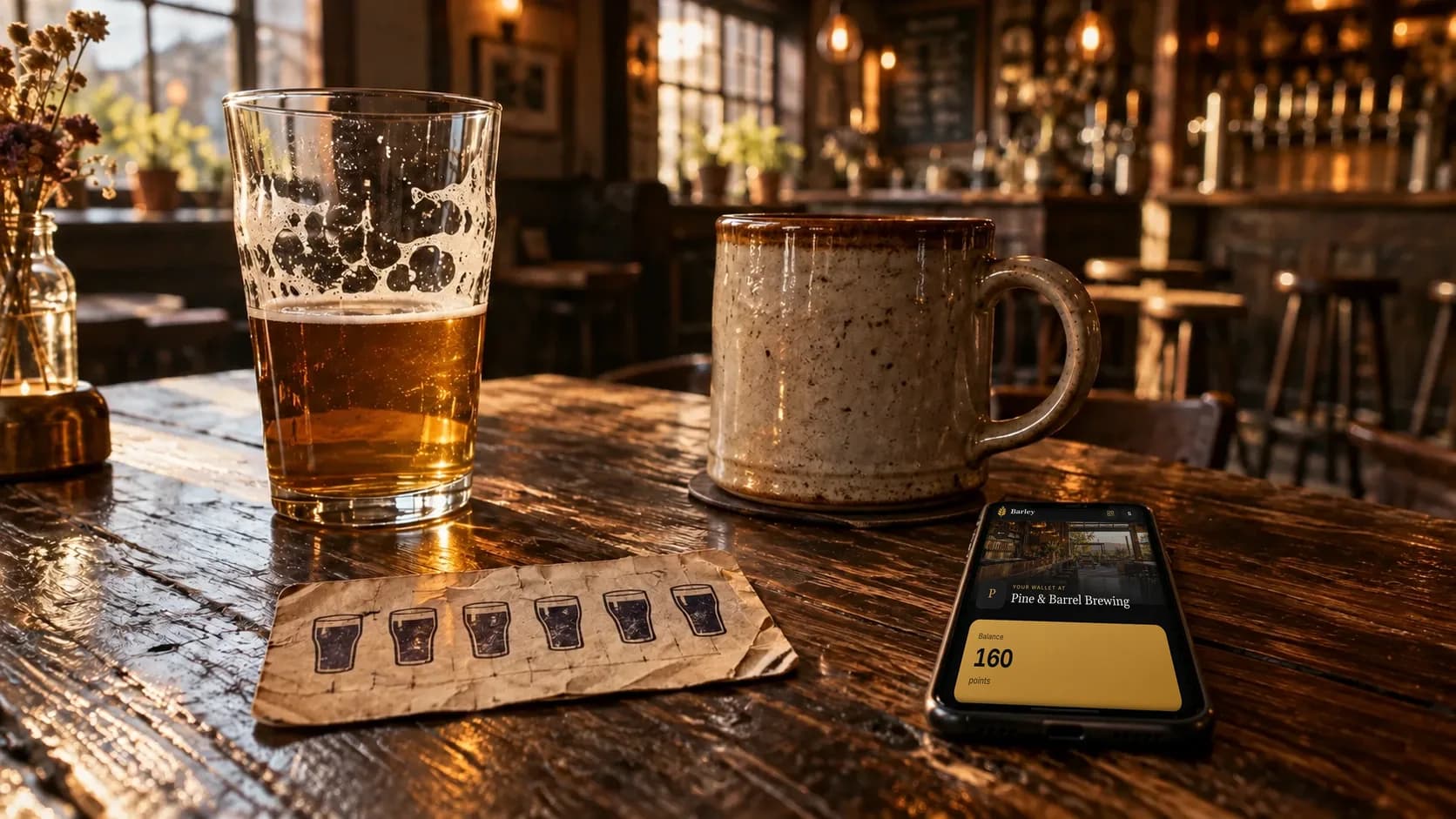
- Identify the member at the bar. The bartender needs to know in under three seconds whether the person in front of them is current. A phone screen, a scanned code, or a POS customer record — but something that isn't a laminated list.
- Deliver the perk without a spreadsheet. Apply the discount, the 20-ounce pour in a 16-ounce world, the members-only pre-sale, consistently across every shift.
- Prove the club is working. Report visits per member before and after joining, spend per member, and who has gone quiet with three months left on their dues.
Jobs one through three are solved problems — most tools in this roundup do them competently. Job four is where the category thins out, because it requires transaction data the membership tool usually never sees.
One term worth defining, since it decides the whole comparison: POS-grounded means the software reads your point-of-sale transactions directly, so a member's visits and purchases are counted automatically. App-grounded means it counts what happens inside its own app — check-ins, taps, stamps — which is a proxy for visiting, not a record of it.
The five kinds of tool
1. Dedicated mug club platforms. Built for exactly this job. MugClub.beer is the clearest example and publishes real pricing: free for up to 100 members, then $49, $99 and $149 a month, with Stripe Connect handling payments and SMS included at the top tier (verified 2026-08-18). Oznr, now Next Glass-owned, ships a Mug Club feature alongside its DTC release business — recurring subscriptions, early access, members-only events; pricing is not public. Both are membership-first: strong on dues, perks, and the club as a product.
2. Custom-branded brewery apps. TapWyse builds a taproom its own app with memberships, loyalty, and push notifications; the company claims $839,000 in ARR driven for taprooms and "10X on their app in the first year." Pricing is demo-gated, and no POS integration is mentioned — its loyalty runs on app events rather than purchases. LoyalBrew sells a digital loyalty passport, a single-venue "Venue Pass" plus multi-venue "Trails," with stamps earned by location-verified visits or selfie upload. Also demo-gated, also no POS integration.
3. Commerce and website platforms with clubs attached. CraftPeak (Arryved-owned) builds brewery websites and DTC ecommerce with membership clubs as one module; custom quote. Arryved itself is a craft-beverage POS that ships loyalty and memberships natively — if you already run Arryved, the club may be a configuration rather than a purchase. Pricing not public.
4. Vertical-agnostic membership billing. Submatic does subscription billing with a brewery landing page on top, POS integrations for Square, Clover and Lightspeed, and SMS reminders. It is genuinely vertical-agnostic — the same product serves salons, spas, gyms, and pet groomers — so it bills beautifully and knows nothing about beer. Pricing not public.
5. POS-native loyalty and POS-grounded CRM. Square Loyalty and Toast Loyalty come bundled with the POS and handle points and redemptions, but they are not membership products: selling a $150 annual membership, billing it, and expiring it isn't what they're for. Brewlytics sits in the last group — free to start, Pro at $99/mo plus a per-active-customer fee — reading Square, Toast, Arryved or Lightspeed transactions so member visits and spend are counted from the till, and describing each beer so a member is a taste profile rather than a row number.
The comparison, in one table
| Tool | Category | Bills dues? | POS-grounded? | Pricing (as verified) |
|---|---|---|---|---|
| MugClub.beer | Dedicated club platform | Yes (Stripe Connect) | No | Free ≤100 members · $49 · $99 · $149/mo (2026-08-18) |
| Oznr | Club + DTC releases | Yes | No | Not public |
| TapWyse | Branded brewery app | Yes | No — app events | Not public (demo-gated) |
| LoyalBrew | Loyalty passport | Passport-based | No | Not public (demo-gated) |
| CraftPeak | Website + DTC + clubs | Yes | Arryved-owned | Custom quote |
| Arryved | POS with memberships | Yes | Native (it is the POS) | Not public |
| Submatic | Generic membership billing | Yes | Square, Clover, Lightspeed | Not public |
| Square / Toast Loyalty | POS-native loyalty | No — points, not memberships | Native | Bundled with POS |
| Brewlytics | Taste-aware, POS-grounded | Via POS + Rewards | Square today; Toast and Arryved on the roadmap | Free tier; Pro $99/mo + per-active-customer |
Example Brewery Scenario
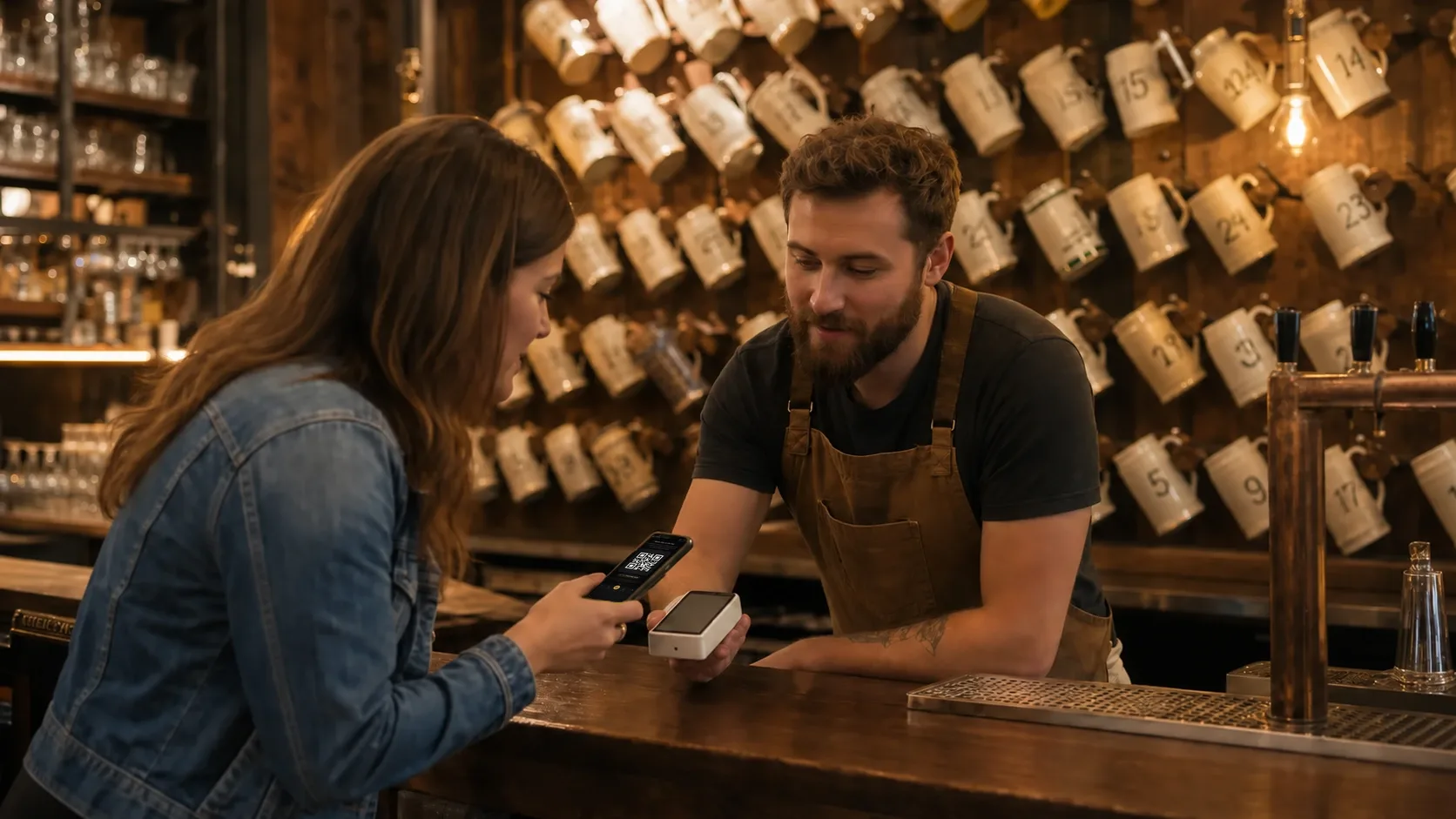
Pinegrove Brewing Co. runs an 8-barrel taproom on Square and pours around 34,000 pints a year. Their mug club is 140 members at $150 a year: a numbered 20-ounce mug, $1 off every pour, and first crack at the Marsh Fog Hazy IPA release. Dues bring in $21,000, which everyone agrees is good money.
In January they moved the club onto a dedicated membership platform. Billing got immediately better — cards on file, automatic renewal notices, no more spreadsheet — and by March the taproom manager had stopped fielding "am I still a member?" questions.
Then the owner asked the real question: is the club making money? The tool could report 140 active members, $21,000 collected, and a 71% renewal rate. It could not report that 38 of those members hadn't been in since February — because visits happen in Square, and the membership platform has never seen a Square transaction.
Here's the campaign Pinegrove couldn't run: text the members who joined in January, visited four or more times in their first two months, and haven't been in for 45 days — before renewal, while it's still fixable. In a membership tool that's an export, a manual match of phone numbers against Square transactions, and an afternoon.
POS-grounded, it's a filter: member status from the club, last visit from the till, favorite style from the catalog. Pinegrove sent 38 texts about a fresh Ninebark Pilsner instead of a blanket renewal blast to 140 people.
Same club. The difference was whether the software could see the bar.
Practical Checklist

Run every tool on your shortlist through these, in order:
- Ask it to show you visits per member, before and after joining. If that needs a CSV export, it bills your club — it doesn't measure it.
- Name your POS out loud. "Integrates with your POS" and "integrates with Square, Toast, Arryved, Lightspeed" are different promises. Get the list.
- Ask how a bartender verifies a member mid-rush. Watch the actual flow on a phone. Three seconds or it won't survive a Friday.
- Check who owns the payment relationship. Stripe Connect, a merchant account, or the vendor holding funds — it matters if you ever leave.
- Get pricing in writing with a date on it. Over half this category quotes privately, and the published tiers move.
- Confirm whether SMS is included or an add-on. Renewal reminders are texts. Add-on pricing changes the math on a 140-member club.
- Ask what happens to member records if you cancel. Export the roster, the dues history, and the contact list — or don't sign.
- Decide what you're actually buying: billing, a branded app, or proof. Most breweries need the first and the third, and buy the second.
How Brewlytics Helps
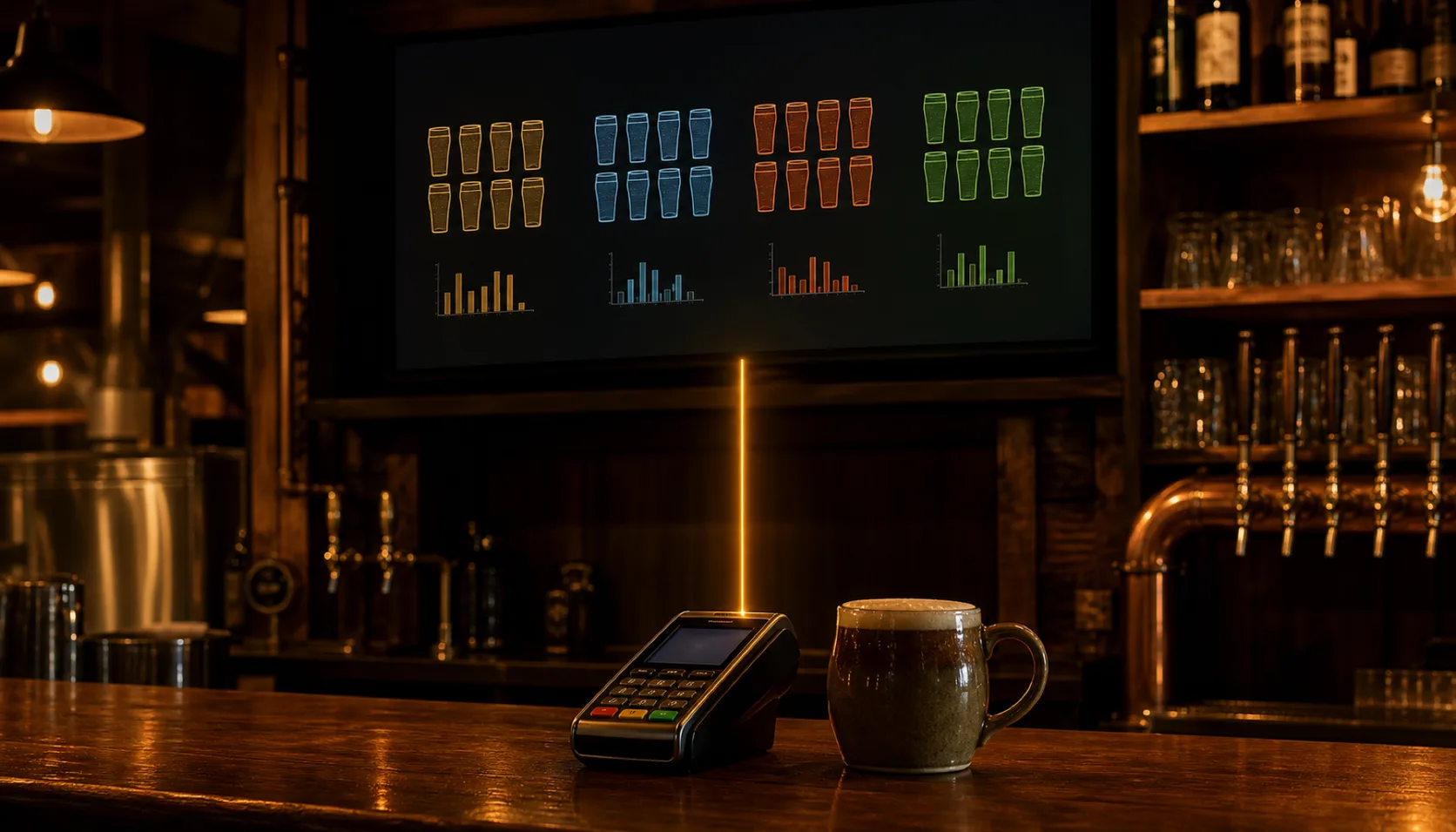
Brewlytics isn't a mug club biller. It's the layer that answers job four, alongside whichever tool collects your dues.
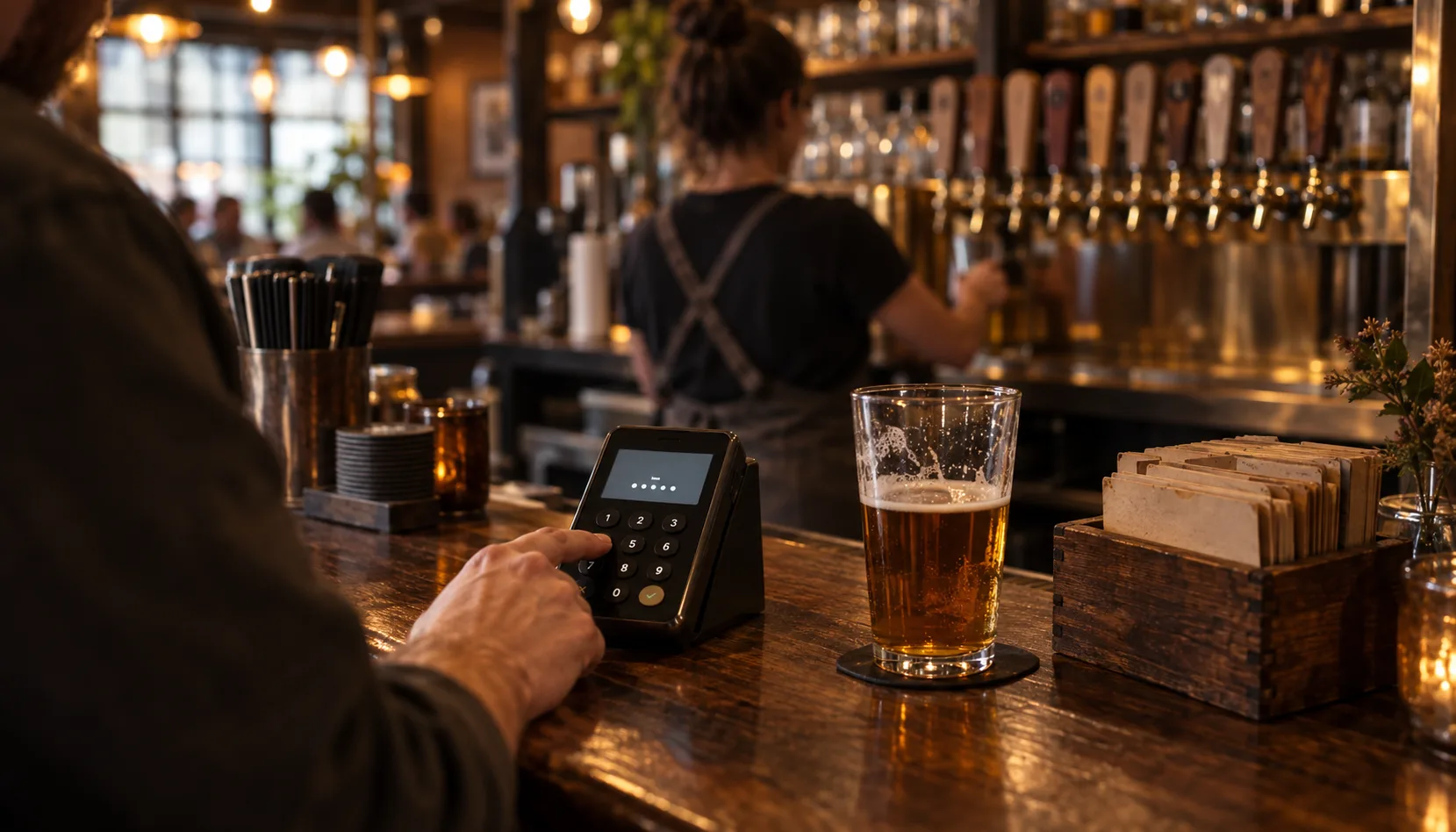
- POS Sync connects Square and reads both transactions and the beer catalog, so member visits and spend are counted from the till instead of estimated at renewal. The Square integration is self-serve; Toast is next on the roadmap, then Arryved. Other systems aren't supported yet.
- Rewards runs the member-facing mechanics — tiers, perks, member status — without a laminated list behind the bar. See loyalty and rewards.
- Customer Taste Profiles make a member more than a number on a mug. Member #83 is the person who orders the hazy every Friday and has never touched the stout, which is what makes a members-first release alert land. See customer insights.
- Campaign Automation sends the segmented iMessage and SMS that keep the club from leaking — the lapsed-member nudge at month eight, not the panic blast at month twelve. Messaging is bundled into Pro rather than metered as an add-on.
Pricing is public on purpose: free to start, Pro at $99/mo plus a per-active-customer fee.
For the club itself — pricing, perks, cohort math — start with the complete guide to brewery mug clubs. For why paid memberships still need a taste layer underneath, read why traditional brewery loyalty programs don't create true regulars. For where the club fits alongside email, events, and release marketing, see the complete brewery marketing guide.
FAQ
See the schema-ready FAQ block at the end of the page for the full set — covers what mug club software is, 2026 pricing, POS-native loyalty, mug clubs versus loyalty programs, why POS integration matters, and running a club with no app at all.
Ready to see whether your mug club is actually working?
Keep the biller you like. The part worth adding is the half that reads the bar — visits, spend, and what each member actually drinks.
→ Book a demo and bring your Square account. → See how Brewlytics works for breweries before you talk to anyone.
Frequently asked questions
Related Brewlytics Feature
Rewards
Brewery loyalty mechanics that don't require discounting beer.
See how it works →Keep reading
Best Brewery Loyalty Software for Taprooms (2026)
Eight brewery loyalty tools compared for 2026: Square, Toast, Arryved, MugClub.beer, TapWyse, LoyalBrew, Untappd and Brewlytics, with a best-for pick for each.
Brewlytics vs. Square Loyalty: A Craft Brewery's Honest Comparison
Comparing Brewlytics and Square Loyalty for craft breweries — what each does well, where they differ, and how to choose the right tool for your taproom.
Brewery Loyalty Software vs. Brewery POS Loyalty
POS loyalty from Square, Toast or Arryved, or standalone brewery loyalty software? An honest look at what each does well and when to run both together.
Want to see this working in your brewery?
Go Pro to see your customers and act on the data — taste profiles, segmented iMessage, SMS + email campaigns, the AI bartender, and the full dashboard. Or book a walkthrough with the brewer who built it. Not ready? Start free, no card.
Just here for the beer? Get the free Barley app