
Brewery Private Events: How to Price, Book and Fill Your Event Space
By Brian Winckel · Founder, Brewlytics.ai
Short Answer
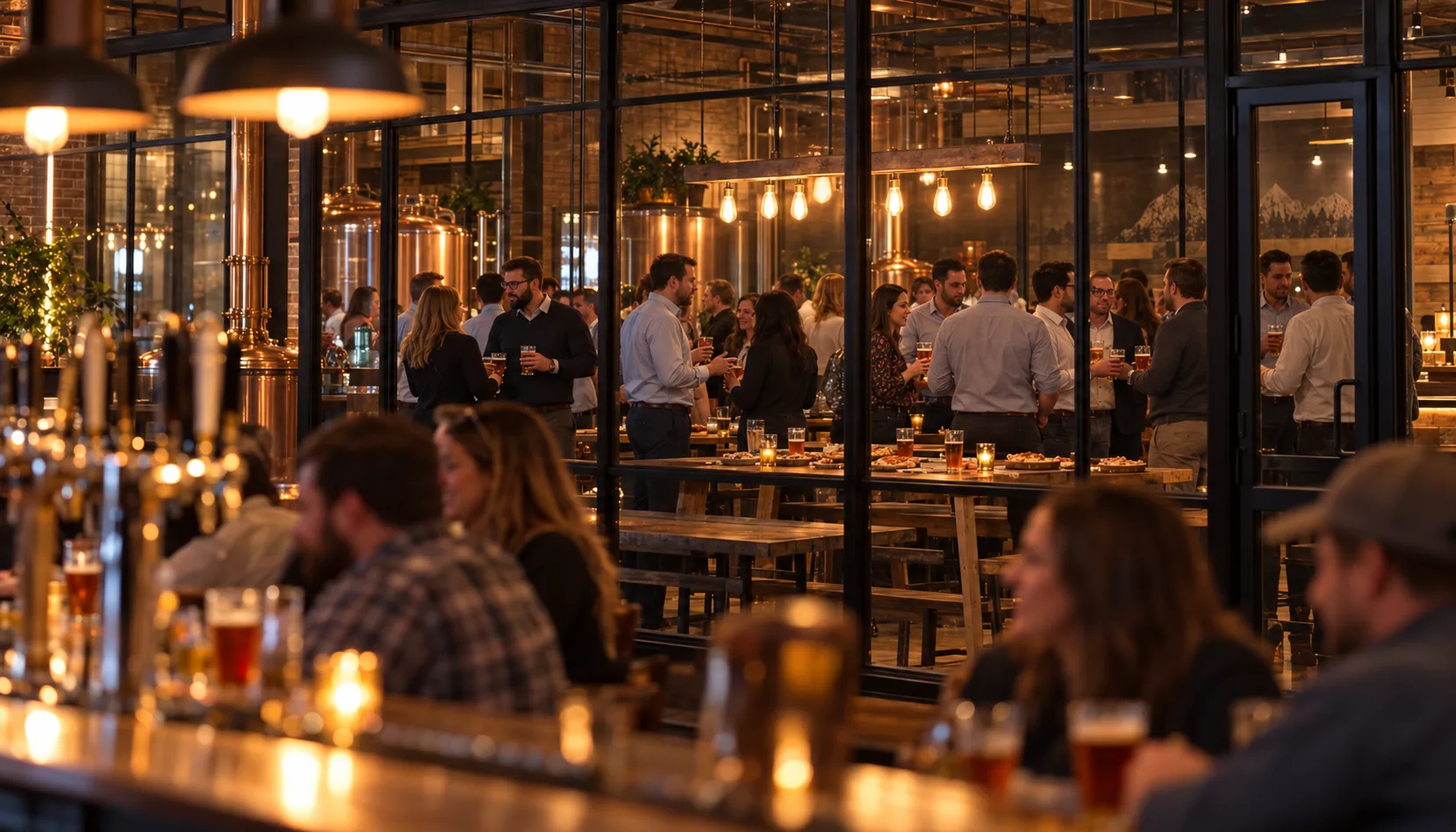
Most breweries price private events with a food and beverage minimum, an hourly minimum, a tiered buyout fee or a room fee that includes drink tokens. Published examples run from $250 an hour to $3,000 for a buyout. Take a deposit, sign a contract, send a one-page events menu, answer inquiries the same day and keep every booking on one calendar the bar can see.
Barley's Take
A private party should feel like a gift to the room, not a surprise for the bartender who found out at 5:58.
Why This Matters for Breweries
A brewery owner on a craft beer forum asked how other breweries around 1,200 barrels and $1 million in gross sales staff their events and private rentals. Another wanted event software that bar staff could see on a shared Google Calendar. A third described the classic headache: an "unplanned" private party that turned up and filled half the taproom on a Saturday.
Private events can be some of the best revenue a taproom sees. A group of 40 that has already agreed to a $1,200 minimum on a Tuesday night is money you weren't going to make from walk-ins. Done badly, the same booking pushes regulars out of their usual seats and leaves one bartender pouring for two rooms.
The difference is mostly paperwork and planning: a pricing model you can explain in one sentence, a deposit, a contract, and a calendar everyone can see.
How It Works
Four ways breweries price private events
Here are four published examples, each a different model. Prices are what each source listed when we checked on November 1, 2026.
| Model | Published example | How it works |
|---|---|---|
| Minimum spend, no rental fee | Mighty Squirrel (Boston area), described in The Brewer Magazine on November 13, 2025 | No room fee. The minimum spend depends on the size and timing of the event, for groups of 25 to 200 |
| Hourly food and beverage minimum | To Share Brewing (Manchester, NH) on Eventective | $250 to $700 per hour for 15 to 100 people. If purchases fall short, the gap is billed as a room rental fee |
| Tiered buyout fee | FINNEGANS Brewer's Den | Buyout space fee of $1,500 to $3,000, $600 for Non-Profit Mondays, beer minimums or packages from $500 with a 20% minimum gratuity |
| Room fee with drink tokens | Roundhead Brewing (Boston) on Zola | Taproom Mezzanine: $750 for 2 hours with 25 drink tokens, $300 each extra hour. Community Room: $1,850 for 3 hours with 50 tokens, $500 each extra hour |
One caution on FINNEGANS: its page calls the prices estimates and says it was taking inquiries for dates through August 31, 2024, so treat it as an example of the structure rather than a current quote.
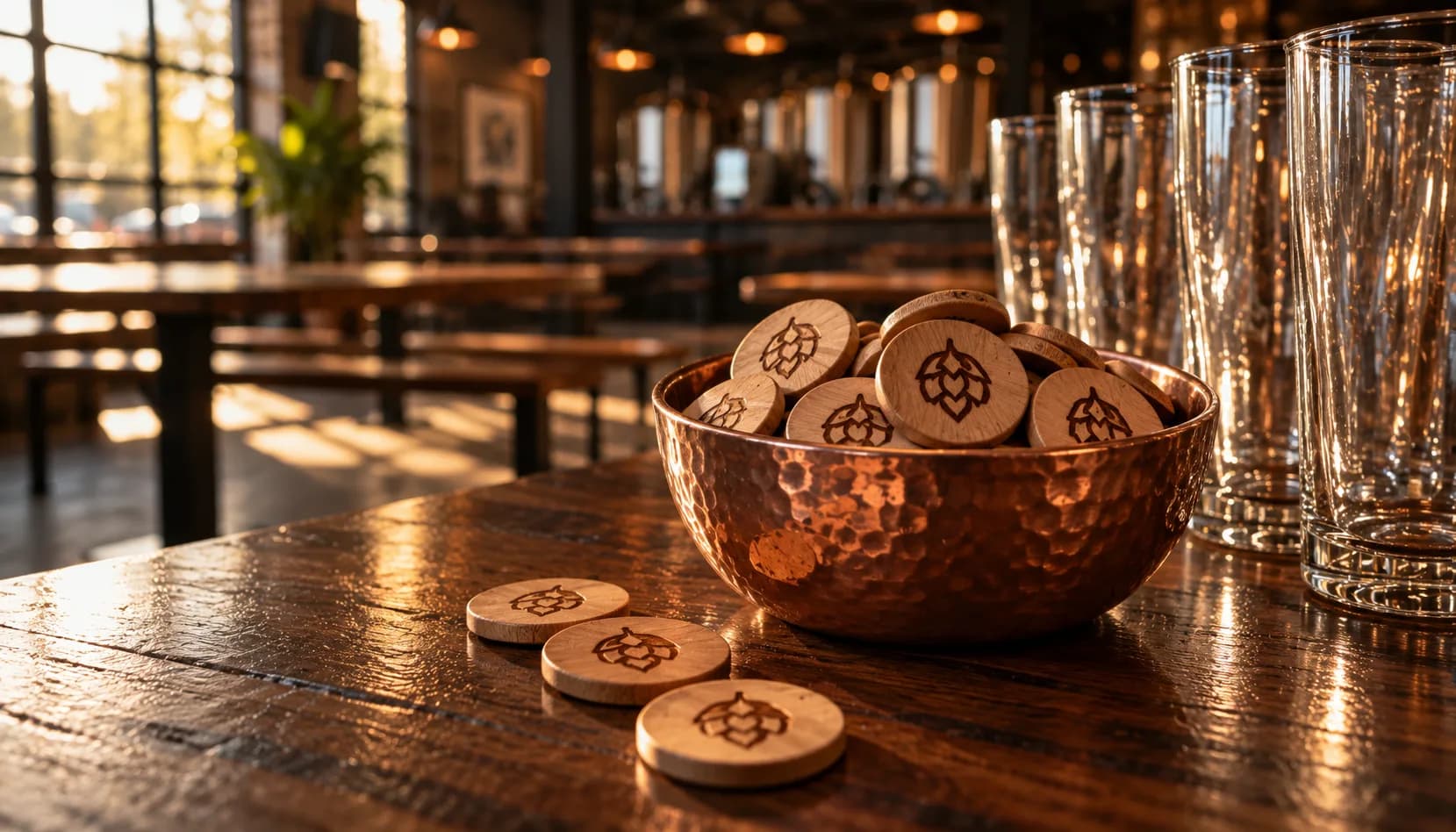
A drink token is a prepaid drink the host buys for guests, usually handed out as a wooden coin or wristband. Tokens let the host cap the bar tab while guests still order what they like.
Charlotte Herndon, an events manager who has worked for Mighty Squirrel and Exhibit A, told The Brewer Magazine she likes combining a flat rental charge with a minimum spend, priced above your sales goals and average volume for that slot. She also suggests sending inquiries to nearby competitors to learn what they charge.
Deposits and contracts
A date isn't booked until money and a signature arrive. Use one contract template for every event and write down:
- Date, start and end times, and setup and teardown windows
- Which space, and the guest count it's priced for
- The pricing model, the minimum or fee, and whether gratuity is added
- The deposit amount and the date it becomes non-refundable
- Food: what you serve, or which caterer or food truck is allowed
- What happens if the group shrinks or runs over time
Herndon also recommends templates for your emails and written steps for staff, because events are labor-intensive and there are "a lot of conversations up until that booking."
A one-page events menu
Inquirers want three answers: can I fit, what does it cost, and what's included. Put them on one page. List each space with seated and standing capacity, a starting price or minimum by day, what's included (tokens, a dedicated bartender, pizza, games), and the food options. Roundhead's listing is a good model: each room shows capacity, hours included, tokens and price on a few lines.
Answer fast, from one calendar
Inquiries go cold quickly, so reply the same day, even if the reply is only the events menu and two open dates. Then keep every hold and booking on one shared calendar that the taproom manager, the bar and the kitchen or food truck can all see. Most "surprise" parties are bookings someone made in a DM and never wrote down.
Protect the public taproom
Herndon's advice is to rent mainly on low-volume dates and times and to leave room for walk-ins. She also suggests free table reservations for groups too big to walk in but too small for a rental. That keeps the Saturday crowd happy and fills the Tuesday you were going to lose anyway.
Marketing the space
- A dedicated page on your website with the events menu, photos of past events and an inquiry form.
- Google Business Profile photos of the room set up for a party, and an events mention in your description.
- Photos after every event, with the host's permission, posted the next day.
- Your corporate regulars. The person who comes in every Thursday after work may be planning the office holiday party. Ask them.
For more event formats that bring people in, see brewery event ideas that drive revenue.
Example Brewery Scenario
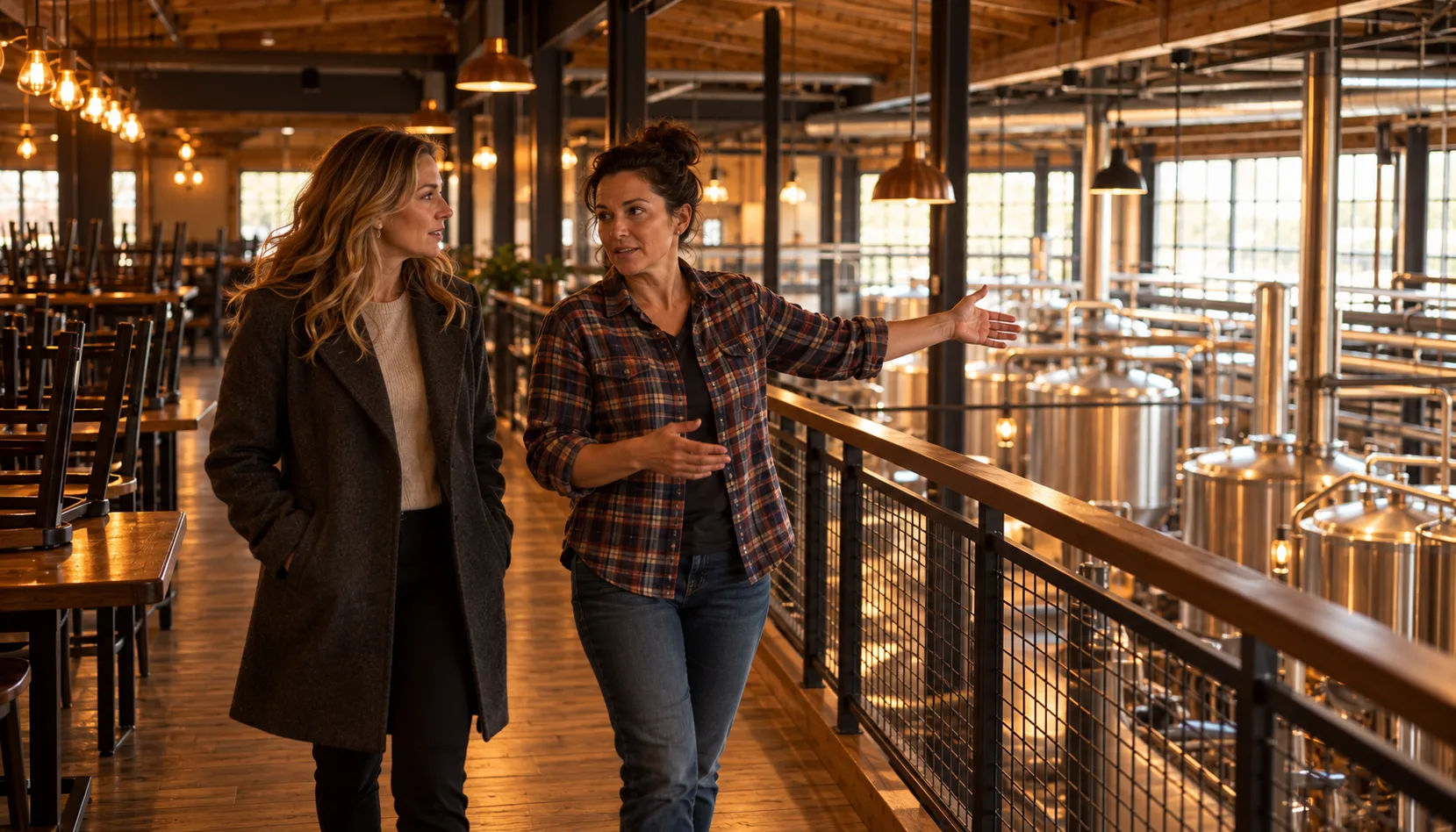
Ironwood Grange Brewing (a fictional brewery) runs a 7-barrel brewhouse with a 90-seat taproom and a 40-seat side room off the patio. It pours a Kölsch called Field Day, an amber, a rotating Hazy IPA and an oatmeal stout, and rings everything through Square.
Last year, the side room was booked by whoever happened to answer the phone. Two Saturdays went sideways when birthday parties nobody had written down showed up during a release.
This year the taproom manager sets three rules:
- Minimums by slot. $600 for three hours Monday to Thursday, $1,200 on Friday and Saturday nights, food and drink counting toward it. Groups get 25 drink tokens included in the minimum.
- 25% deposit to hold the date, non-refundable two weeks out, on a one-page contract.
- One calendar. Every hold goes on a shared Google Calendar the bar sees, and nothing counts as booked until it's there.
She builds a page for the side room with photos of a past rehearsal dinner and a team happy hour, adds the same photos to Google Business, and asks three regulars who work at nearby offices whether their teams need a December party. Two do. By November the side room has five weeknight bookings in December, and the Saturday release crowd never loses its seats.
Practical Checklist
- Choose one pricing model per space and write it in one sentence.
- Check what two nearby venues charge for a similar group.
- Price each slot above what that room normally earns on that day.
- Write a one-page contract with the deposit and its refund deadline.
- Make a one-page events menu with capacities, starting prices and what's included.
- Put every hold and booking on one calendar the bar staff can see.
- Reply to every inquiry the same day.
- Block your busiest nights from full buyouts and offer free reservations for mid-size groups.
- Give the space its own web page and add event photos to Google Business.
- Ask your weekday corporate regulars about holiday parties now.
For how events fit into the rest of your marketing, see the brewery marketing guide.
How Brewlytics Helps
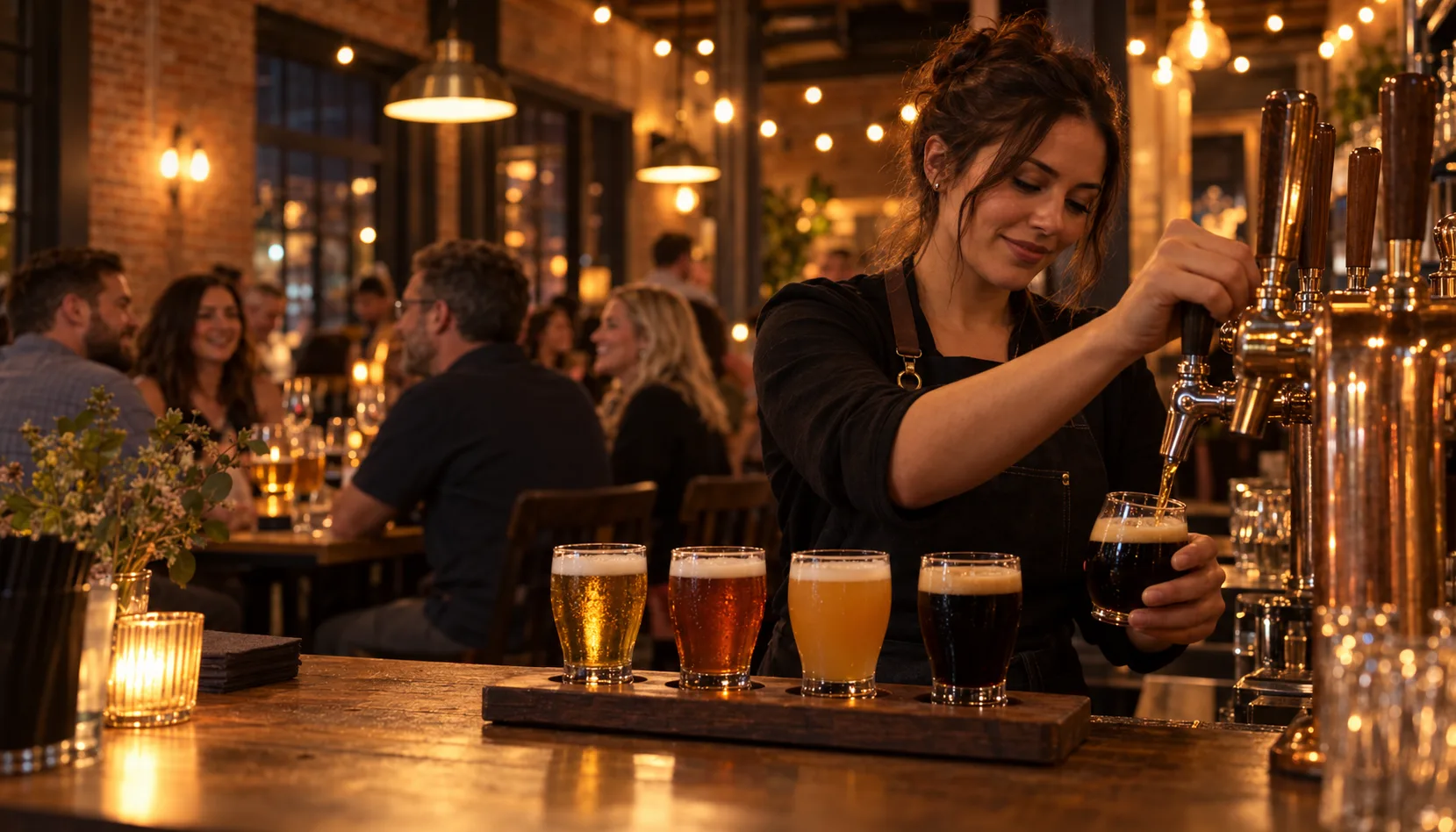
Brewlytics doesn't book your event room. Our brewery marketing service handles the marketing around it, so private-event inquiries reach you instead of getting lost in the comments.
- Inquiries flagged to you. We reply to comments and DMs during set hours, and we flag anything that needs you, like a private-event inquiry, rather than answering it for you.
- Posts and photos of your space. Past events, setups and the room itself go into your social calendar, with nothing posted without your approval.
- Google Business kept current. Hours, photos, events and posts stay up to date for people searching nearby.
- Guest data from your POS. Brewlytics connects to Square, so you can see who your regulars are and reach the right ones when you open holiday dates.
FAQ
See the schema-ready FAQ block at the end of the page for the full set.
Ready to Fill Your Event Space?
Your side room earns the most on the nights the taproom is quiet, and only if people know it exists. Book a demo to see how we run social, Google Business and inquiries for breweries, or see how Brewlytics works for breweries.
Frequently asked questions
Related Brewlytics Feature
Campaign Automation
Taste-segmented iMessage, SMS + email that runs itself once it's wired up.
See how it works →Keep reading
25 Brewery Event Ideas That Actually Drive Revenue (Not Just Foot Traffic)
25 brewery event ideas by type — weekly recurring, release, community, education, and data-driven — plus how to promote them and measure what worked.
Your Taproom Is Slow — 7 Things You Can Do This Week
Slow days happen to every brewery. Don't panic — and don't just wait it out. Seven tactical moves you can make this week to get people through the door.
How to Get Travelers to Find and Visit Your Brewery
How travelers find breweries, what to fix on Google Business first, how to get on beer trails and tourism lists, and how to turn visitors into regulars.
Want to see this working in your brewery?
Go Pro to see your customers and act on the data — taste profiles, segmented iMessage, SMS + email campaigns, the AI bartender, and the full dashboard. Or book a walkthrough with the brewer who built it. Not ready? Start free, no card.
Just here for the beer? Get the free Barley app