
Why the Best Brewery Experiences Feel Personal
By Brian Winckel · Founder, Brewlytics.ai
Short Answer
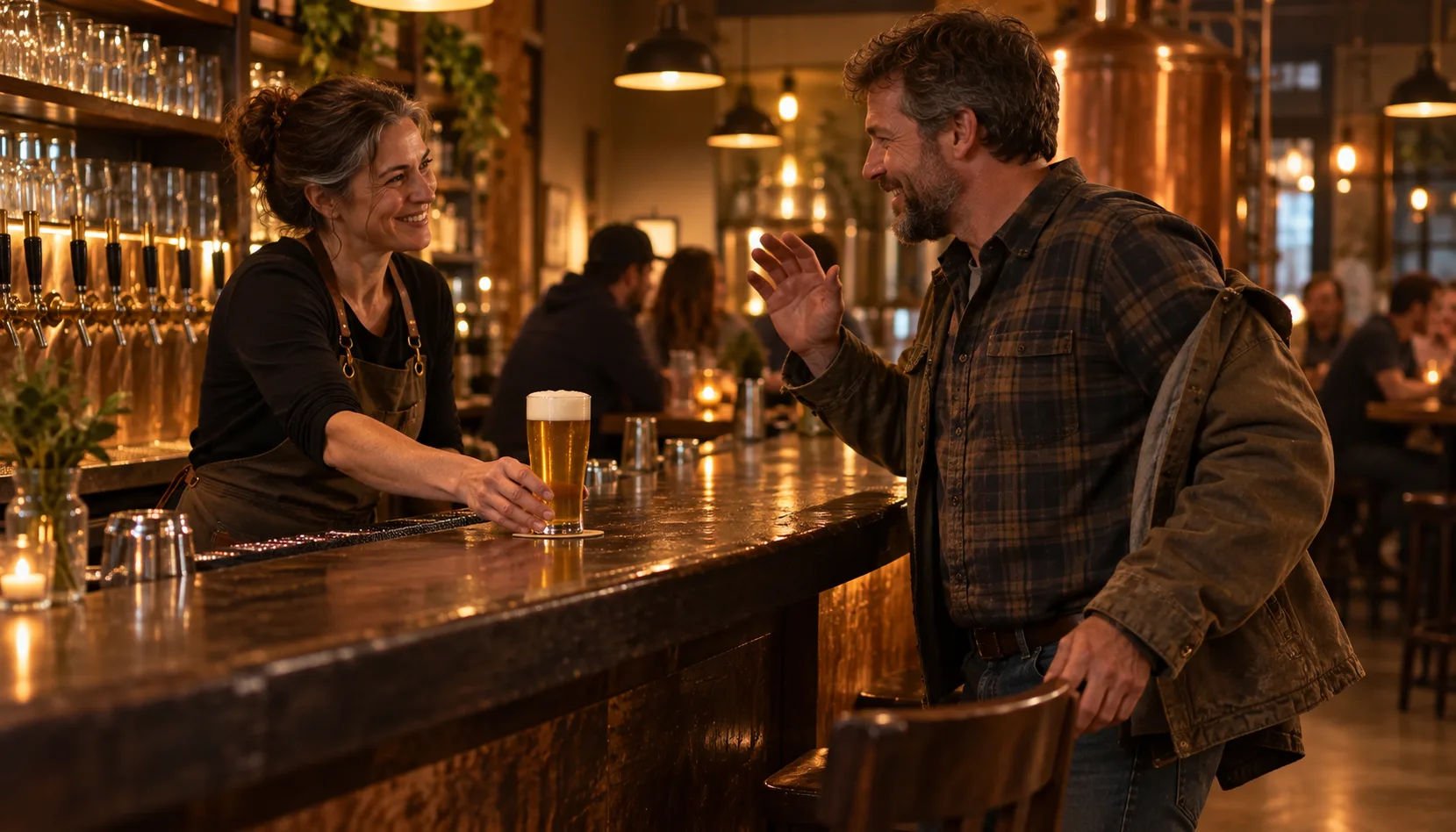
The best brewery experiences feel personal because guests come back to places where they are known, not places where they earn points. Recognition, a remembered usual, and a suggestion that fits what you actually like are what turn a visitor into a regular. The problem is that this memory usually lives in one bartender's head. AI can keep that memory and match beers to it at scale, but the warmth still has to come from a person, and it only stays welcome when it uses what guests actually ordered or said.
Barley's Take
Nobody ever drove across town for a stamp card. They drive across town because someone there knows they like the pilsner.
Why This Matters for Breweries
Ask a taproom regular why they keep coming back and you almost never hear about the rewards program. You hear about a person. "Jess knows I drink the pilsner." "They saved me a crowler of the fresh hazy." "The owner asked about my dog."
People go back to places where they're known. Beer quality gets them in the door the first time, and it has to stay good, but plenty of breweries pour a great Czech pilsner. Very few remember that you drink it.
Most loyalty programs try to manufacture that feeling with math: ten stamps, a free pint, a tier badge. It doesn't work, for the reasons laid out in why traditional brewery loyalty programs don't create true regulars. A punch card rewards the transaction. Being remembered rewards the person, and it's the one thing the bar down the street can't copy.
The catch is that in most taprooms, the memory lives in one or two heads. When your best bartender leaves, the relationships go with them.
How It Works
Personal hospitality in a taproom comes down to three moments, and each one depends on memory.
1. Recognition
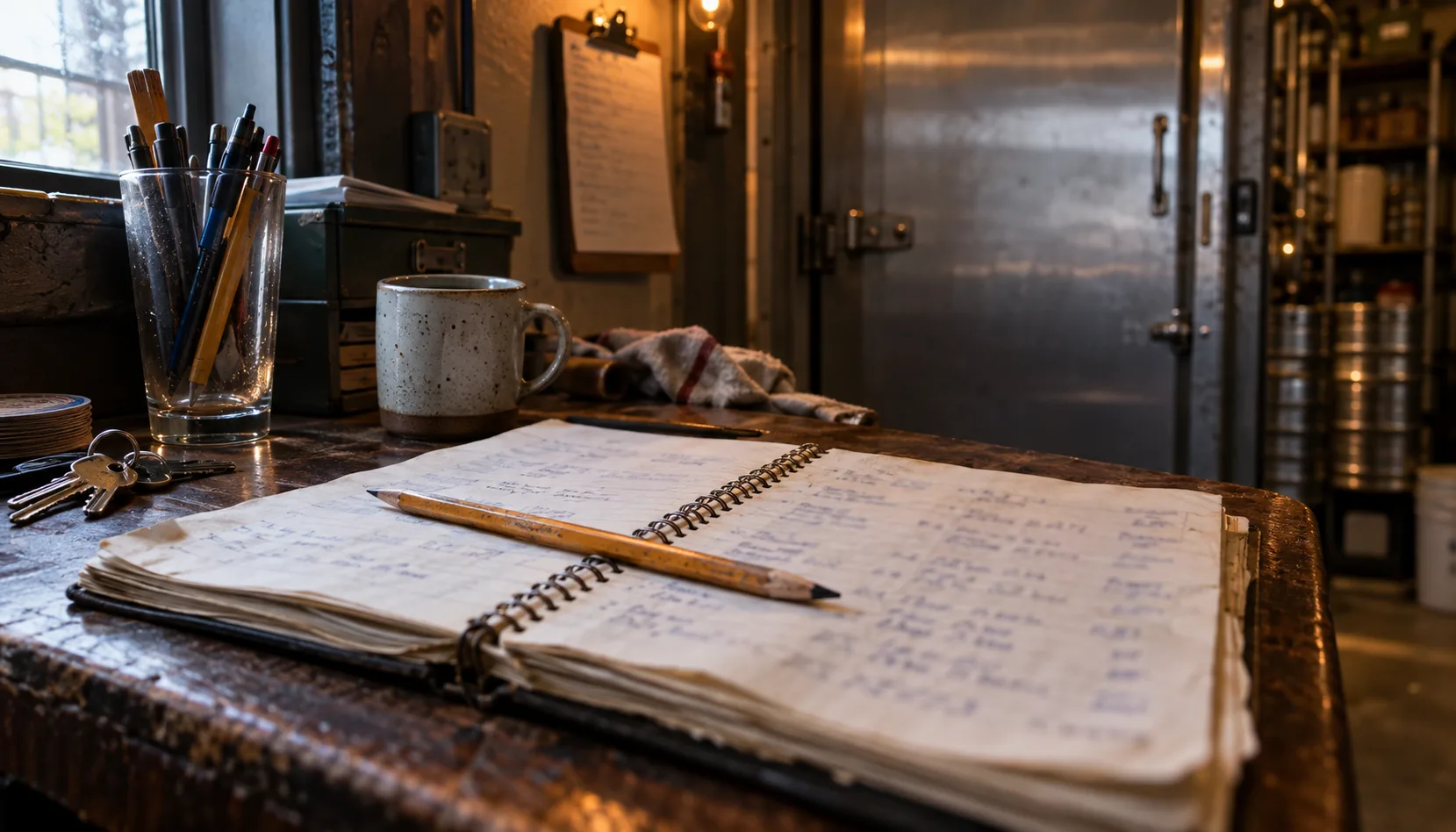
The guest walks in and someone knows them. A name, a nod, "the usual?" This is the moment people describe when they talk about their favorite brewery, and it takes about two seconds.
2. Remembered preference
Remembered preference means acting on what a guest liked last time without asking them to repeat it. "We've got a new lager on, and you liked the Vienna, so try this." The guest hears that they were listened to.
3. The fitted suggestion
The strongest moment is a recommendation that clearly came from knowing the guest: "you told me you're off bitter stuff lately, so skip the West Coast and try the helles." Compare that with "our IPA is popular." A suggestion like the first one proves the other two moments were real.
What AI does and doesn't do here
This split decides whether personalization scales or turns creepy.
| Part of the experience | Who should own it | Why |
|---|---|---|
| Remembering what each guest drinks | Software | People forget, quit, and work different shifts |
| Matching a new release to guests who'll like it | Software | Nobody can hold 1,200 taste profiles in their head |
| Knowing when a regular hasn't been in for a while | Software | The drift is slow and easy to miss |
| The greeting, the eye contact, the joke | People | Warmth from a machine reads as a script |
| Reading the room on a busy Friday | People | Context no system sees |
| Deciding what's worth saying to a guest | People | Judgement about tone and timing |
AI is good at memory and matching. It's bad at being your friend, and it shouldn't pretend to be.
Personal vs. creepy
Personal uses what the guest did or said in your taproom: what they ordered, how they rated it, what they told the bartender. Creepy uses something they didn't knowingly share, or brings it up in a way that feels like surveillance.
A useful test: if the guest reads your message and thinks "how did they know that?", is it with a smile or a frown? "The pilsner you like is fresh this week" gets a smile. A text that references their birthday when they never told you it gets the frown.
Example Brewery Scenario
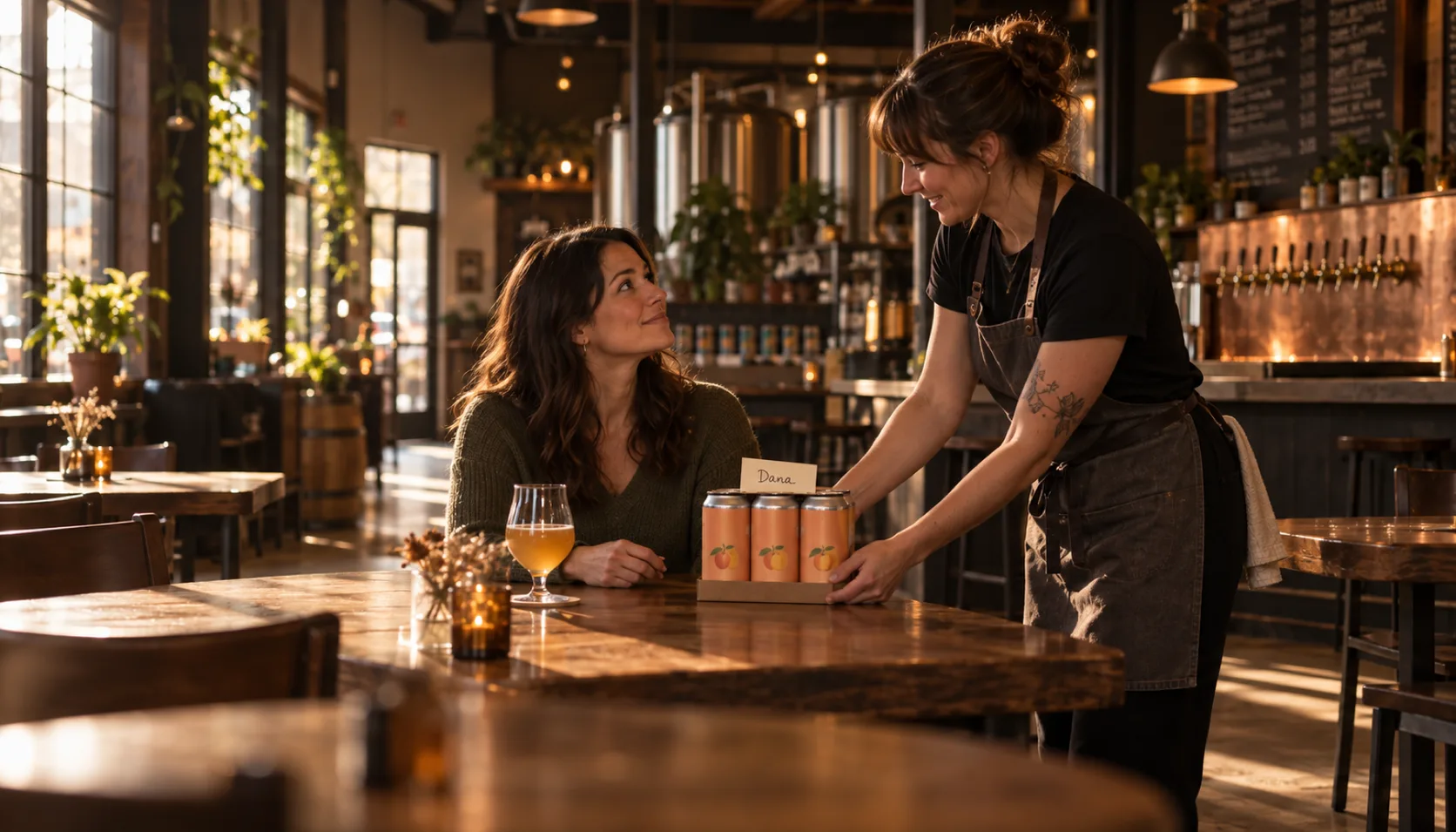
Cedar Row Brewing runs a 7-barrel system and a 60-seat taproom, with Square at the bar. For four years their Thursday regulars were really Jess's regulars. She knew Marcus drank the Czech pilsner and hated anything over 40 IBU. She knew Dana would try any sour with stone fruit in it. She'd text a few of them when a keg they loved went on.
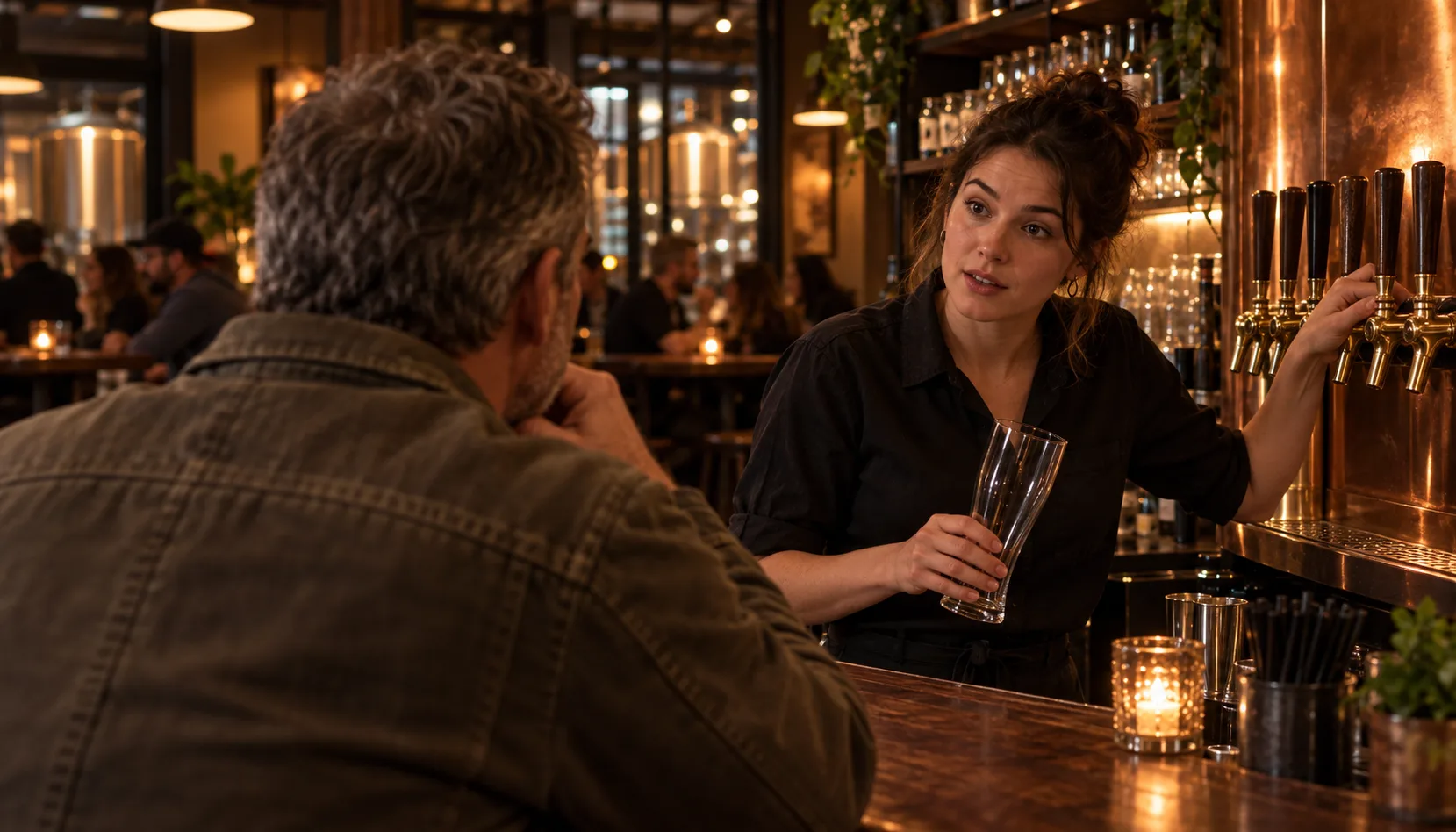
In March, Jess moved to Portland.
Nothing about Cedar Row's beer changed. The pilsner was as good as ever. But Marcus came in on a Thursday and the new bartender asked him what he liked. Dana missed the apricot sour entirely because nobody texted her. Neither complained. They just came in a little less often, and by June the owner noticed Thursday sales were down and couldn't say why.
Here's what the owner had to rebuild, and what it looked like once written down:
- Marcus: Czech pilsner, sometimes a Vienna lager. Avoids anything bitter. Thursdays, usually after 6.
- Dana: fruited sours, especially stone fruit. Will try anything tart. Buys four-packs to go.
- Rob and Theresa: stouts in winter, hefeweizen in summer. Bring friends on release nights.
None of this is complicated. It had simply never existed anywhere except Jess's head. Once it was written down where every shift could see it, and once the Square order history filled in the guests nobody had notes on, the new bartender could say "the pilsner's fresh, Marcus" on day three instead of month six.
Software earns its place in a taproom by letting the next person behind the bar start from what the last one knew.
Practical Checklist
Things you can do this week, with or without any tool:
- List your 20 most frequent guests. Pull them from your POS order history if you can, from memory if you can't.
- Write one line per guest: name, usual beer, one thing they've said they like or dislike.
- Put the list where every shift can see it. A shared note, a binder behind the bar. If it lives in one person's phone, you haven't fixed anything.
- Ask your longest-serving bartender to fill in the gaps. They know things no report will show.
- Pick one release this month and tell only the guests who'll like it. Five personal texts beat one blast to everyone.
- Check your messages against the smile-or-frown test. Cut anything that uses information the guest didn't knowingly give you.
- Notice who's gone quiet. If a Thursday regular hasn't been in for a month, that's worth a friendly note, not a discount.
How Brewlytics Helps
Brewlytics exists to keep that memory from walking out the door. It reads the Square POS you already run (Toast is next on the roadmap, Arryved after that) and builds the record Jess used to carry around.
- Customer Taste Profiles build up from what each guest orders and rates, so a regular's preferences exist in the system even if the bartender who learned them has moved on.
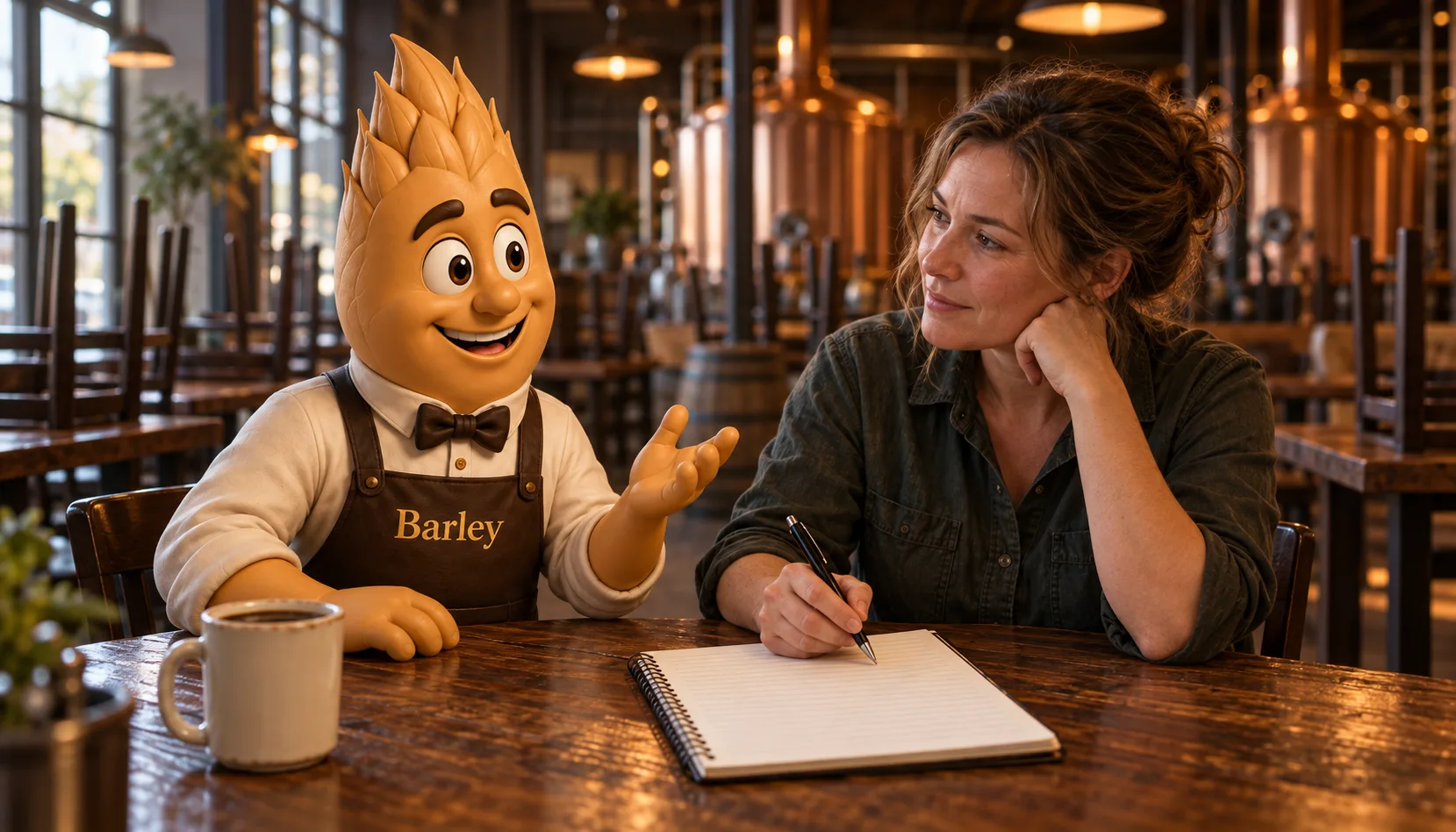
- Barley, the AI bartender, talks with guests on their phones and recognizes the same guest by phone number on their next visit. He remembers what they said they liked, so the conversation picks up where it left off.
- Taste Segments group guests by what they actually drink, so "people who love stone-fruit sours" is a list you can use instead of a hunch.
- Release Radar sends a new-beer text only to the guests whose profiles fit it, and each campaign waits on an approvals page for you to approve or skip before anything goes out.
FAQ
See the schema-ready FAQ block at the end of the page for the full set, covering points versus recognition, what makes an experience personal, AI without the automated feel, where creepy starts, staff turnover, and how to start without software.
Ready to keep the regulars you've already earned?
Your guests have already told you what they like, one order at a time. The question is whether that knowledge lives in a system or in whoever happens to be working tonight.
→ Book a demo and bring your Square account. We'll show you what your order history already knows about your regulars. → See how Brewlytics works for breweries if you'd rather read first. → Related reading: How breweries can improve the first-time guest experience and the complete guide to brewery marketing.
Frequently asked questions
Related Brewlytics Feature
Customer Taste Profiles
Taste profiles that build as customers engage — quiz, ratings, and chat.
See how it works →Keep reading
How Breweries Can Improve the First-Time Guest Experience
A first-timer decides how they feel about your taproom in five minutes. A moment-by-moment checklist for the door, the order, the first pour, and the exit.
25 Brewery Event Ideas That Actually Drive Revenue (Not Just Foot Traffic)
25 brewery event ideas by type — weekly recurring, release, community, education, and data-driven — plus how to promote them and measure what worked.
How Sensory Feedback Can Improve Brewery Recommendations
Five stars tells you a guest liked the beer, not why. Here's how to collect sensory feedback one tap at a time and recommend the next pour accurately.
Want to see this working in your brewery?
Go Pro to see your customers and act on the data — taste profiles, segmented iMessage, SMS + email campaigns, the AI bartender, and the full dashboard. Or book a walkthrough with the brewer who built it. Not ready? Start free, no card.
Just here for the beer? Get the free Barley app