
Who Runs Marketing at a Brewery Your Size? Roles, Hours and Pay
By Brian Winckel · Founder, Brewlytics.ai
Short Answer
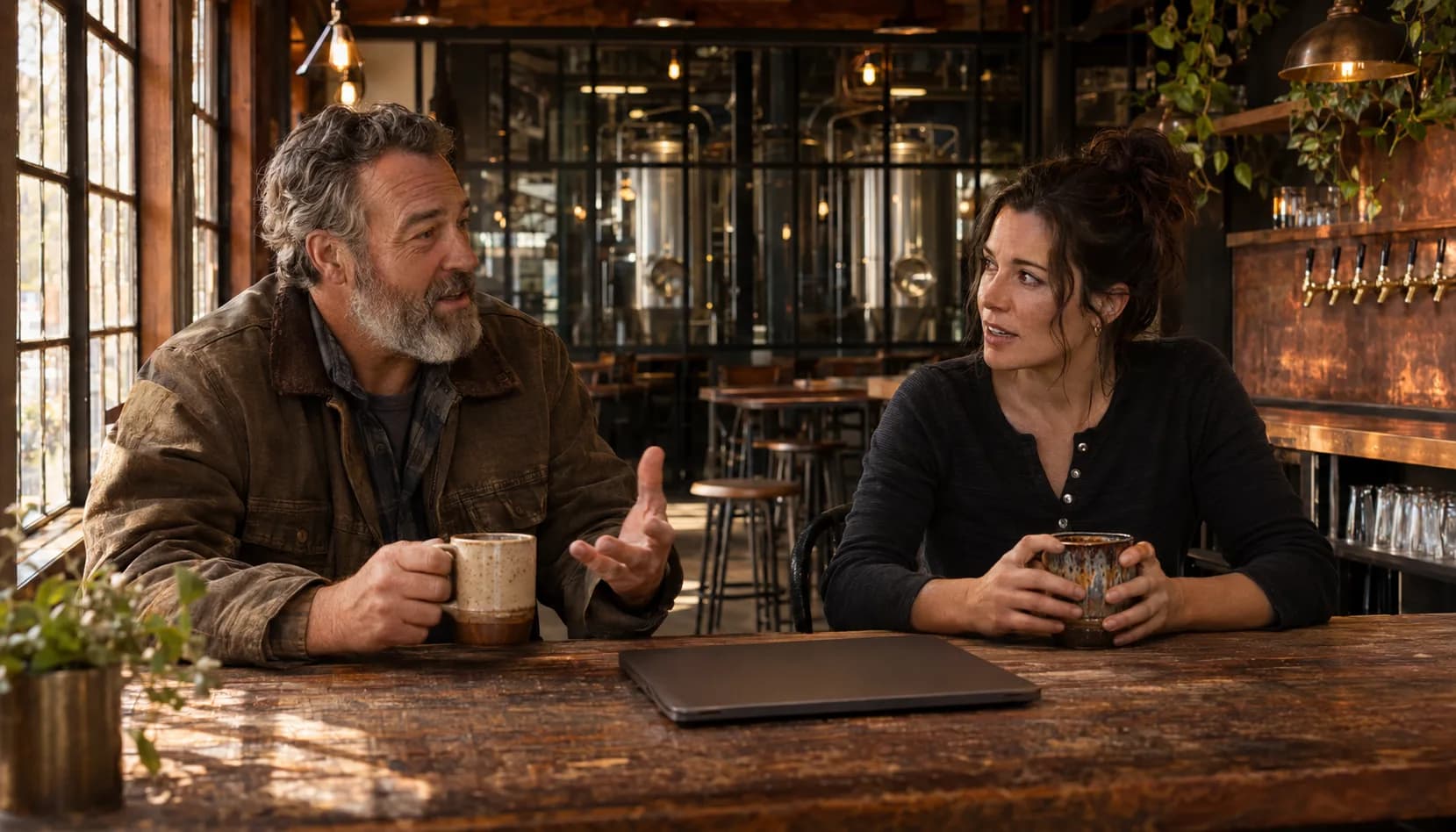
Most breweries start with the owner and a bartender covering marketing, then hire one hybrid events-and-marketing coordinator, then add outside help for social and texts, and only later split into separate roles. BLS puts the national median at $61,160 a year for event planners and $78,760 for marketing specialists (May 2025, all industries). Decide by listing the weekly jobs and naming one owner for each.
Barley's Take
If everybody runs the Instagram, nobody runs the Instagram. Give every job one name, even if it's the same name twice.
Why This Matters for Breweries
On a craft beer professionals forum this fall, an owner of a brewery doing about 1,200 barrels and $1 million in gross sales, with a private rental space, asked a simple question: what does your events and marketing team look like, how many people, and what do they do? A few weeks later another thread asked what breweries pay their social media or event manager, and whether it's hourly or flat.
Those are good questions, but most breweries hire a title ("we need a marketing person") before they know which jobs that person will own. Then the new hire spends Tuesday posting a Hazy IPA can shot, Wednesday answering a rental inquiry, and Thursday hanging string lights for trivia, and nobody answers the 2-star Google review from Saturday.
A team structure is just a list of weekly jobs with one name next to each. Get that list right and the hiring question mostly answers itself.
How It Works
The weekly jobs
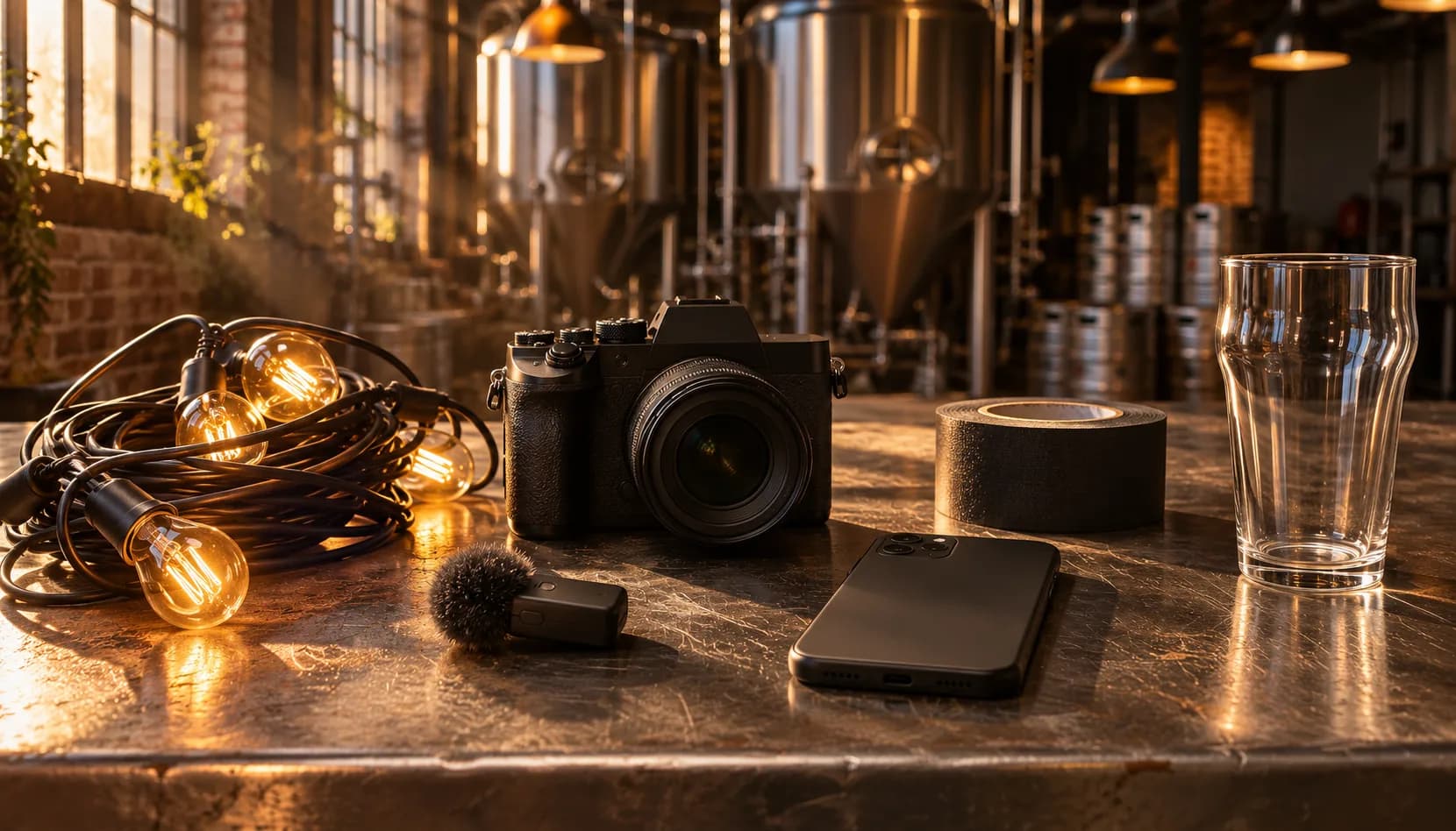
Before you think about people, list the work. At most taprooms it's these seven jobs:
| Job | What it covers | Who usually owns it first |
|---|---|---|
| Social posts | New releases, events, the room, the people, a few times a week or daily | A bartender, then the coordinator |
| Replies and reviews | Comments, DMs, Google and Yelp reviews | The owner, often late at night |
| Google Business Profile | Hours, photos, events, posts | Whoever set it up years ago |
| Texts and email | Release alerts, event reminders, the mug club | Nobody, or the owner once a month |
| Events calendar | Trivia, music, food trucks, releases | The taproom manager |
| Private-event sales | Inquiries, tours, contracts, deposits | The owner or taproom manager |
| Website | Hours, tap list, events page, rental page | The owner's friend who built it |
The jobs at the bottom need someone on site. The jobs at the top can be done from anywhere.
Four stages of a brewery marketing team
Stage 1: owner plus a bartender. The owner handles reviews and the website, a bartender who likes photography posts a few times a week, and the taproom manager runs the events calendar. This works for a small taproom as long as two things don't slip: reviews get answered and Google Business stays current.
Stage 2: one hybrid events-and-marketing coordinator. This is the first real hire at most breweries. Neither social media nor events fills 40 hours a week on its own at a small brewery, so the job combines them. The coordinator owns the calendar, the posts and, often, private-event inquiries. The risk is that events always win, because a band arriving at 6 pm is louder than a post that didn't go out.
Stage 3: coordinator plus outside help. The coordinator keeps everything that needs a body in the room (events, private bookings, photos of the space) and hands the daily, repeatable work (posting, replies, texts and email, Google Business) to a freelancer or a service. This is usually where a brewery with a rental space and a busy events calendar ends up.
Stage 4: a small team. Separate events and marketing roles, sometimes a marketing manager over both, and sometimes a sales rep for distribution. That shape fits a production brewery more than a taproom.
What the roles pay, from BLS
BLS doesn't publish brewery-specific salaries for these jobs, so use the national all-industry figures from its Occupational Employment and Wage Statistics survey, May 2025, the latest release:
| BLS occupation (SOC code) | Closest brewery role | Median per year | Median per hour | 10th to 90th percentile |
|---|---|---|---|---|
| Meeting, convention and event planners (13-1121) | Events coordinator | $61,160 | $29.41 | $36,830 to $101,700 |
| Market research analysts and marketing specialists (13-1161) | Marketing coordinator | $78,760 | $37.87 | $43,390 to $155,480 |
| Public relations specialists (27-3031) | Social media coordinator | $74,750 | $35.94 | $44,110 to $135,150 |
| Marketing managers (11-2021) | Marketing manager | $166,790 | $80.19 | $90,260 to $293,610 |
Two cautions. These medians include large companies in big cities, so a taproom in a small town will often pay toward the lower end. And BLS has no "social media coordinator" title; that work is spread across several codes, so the public relations line is the nearest match, not an exact one.
For context on the bar side, the same survey put the national median for bartenders (35-3011) at $16.51 an hour. When a bartender "also does the Instagram," you're buying marketing at bar rates, which is why it rarely gets done consistently.
Example Brewery Scenario
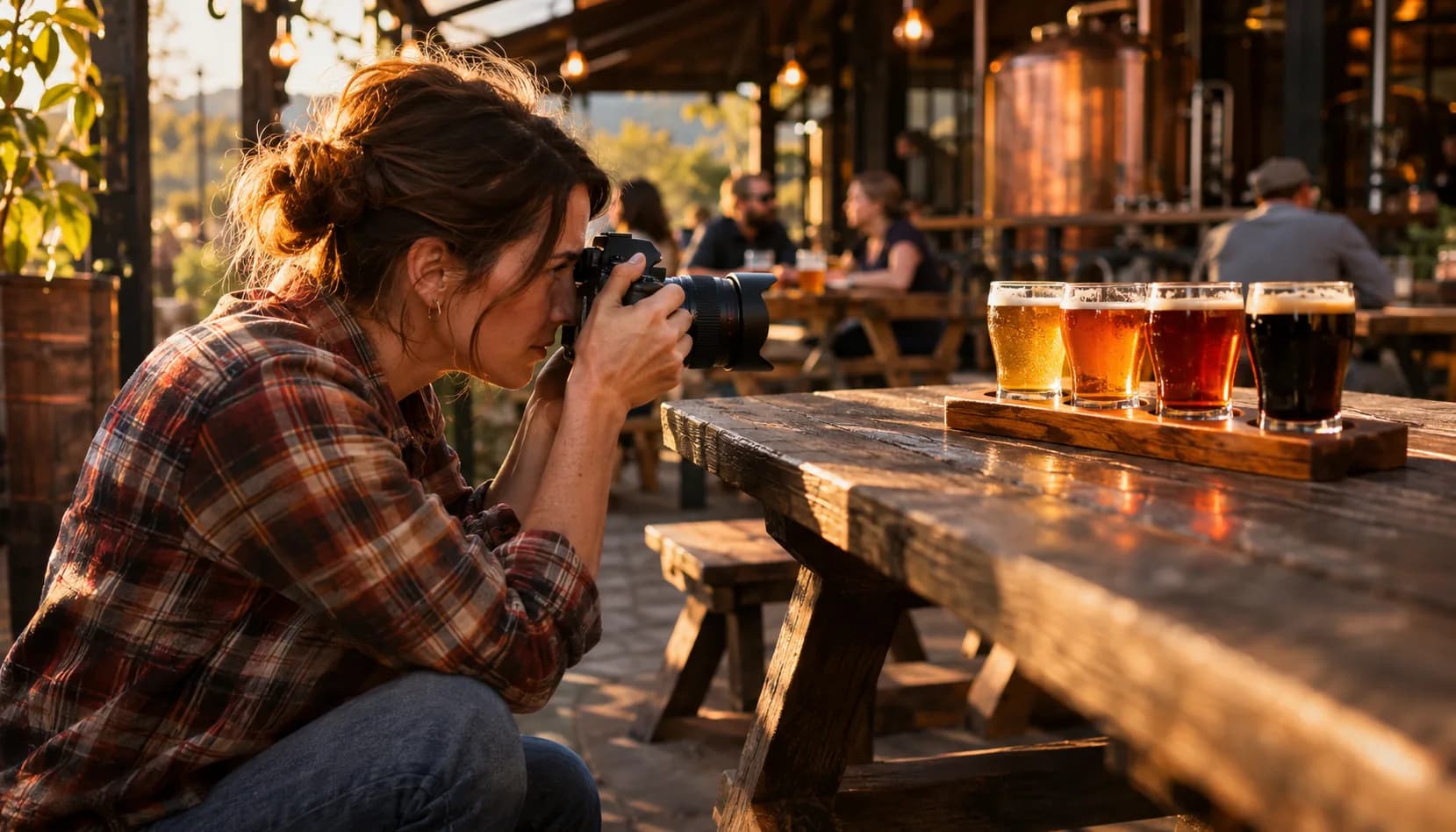
Copper Hollow Brewing (a fictional brewery) brews about 1,200 barrels a year on a 10-barrel system, pours a Pilsner, a West Coast IPA called Switchback and a rotating Hazy IPA, runs Square in the taproom and rents a 50-seat loft for parties.
For two years, marketing was the owner and a bartender named Dana. Dana posted when she had time. The owner answered reviews at midnight. Loft inquiries sat in Instagram DMs for days.
The owner wrote down the seven jobs and found that private events were bringing in real money but nobody owned the sales. So they promoted Dana to a full-time events-and-marketing coordinator at $26 an hour, below the BLS event-planner median of $29.41 and well above the bar rate, and wrote her job description around three things: the events calendar, loft bookings, and photos of the space.
Six months later, the loft was booked most Fridays, but posts and texts had slipped again. So the owner moved the daily posting, comment replies, review responses and the weekly release text to an outside service, with one rule: any event inquiry gets flagged to Dana the same day. Dana now spends her week on events, loft bookings and photos of the space.
Practical Checklist
- Write down the seven weekly jobs and put one name next to each.
- Circle any job with no name, or with "everyone."
- Split the list into on-site jobs (events, bookings, photos) and remote jobs (posts, replies, texts, Google Business).
- Estimate the hours each job takes in a normal week, and in December.
- Check what your private events and event nights bring in before you price a hire.
- Compare any pay offer to the BLS medians above, adjusted for your town.
- Write the job description around jobs, not a title.
- Decide which remote jobs you'd hand to outside help first.
- Set one rule for inquiries: who gets them, and how fast.
For how these jobs fit into a full marketing plan, see the brewery marketing guide, and for pricing the event space your coordinator sells, see how to price and book private events.
How Brewlytics Helps
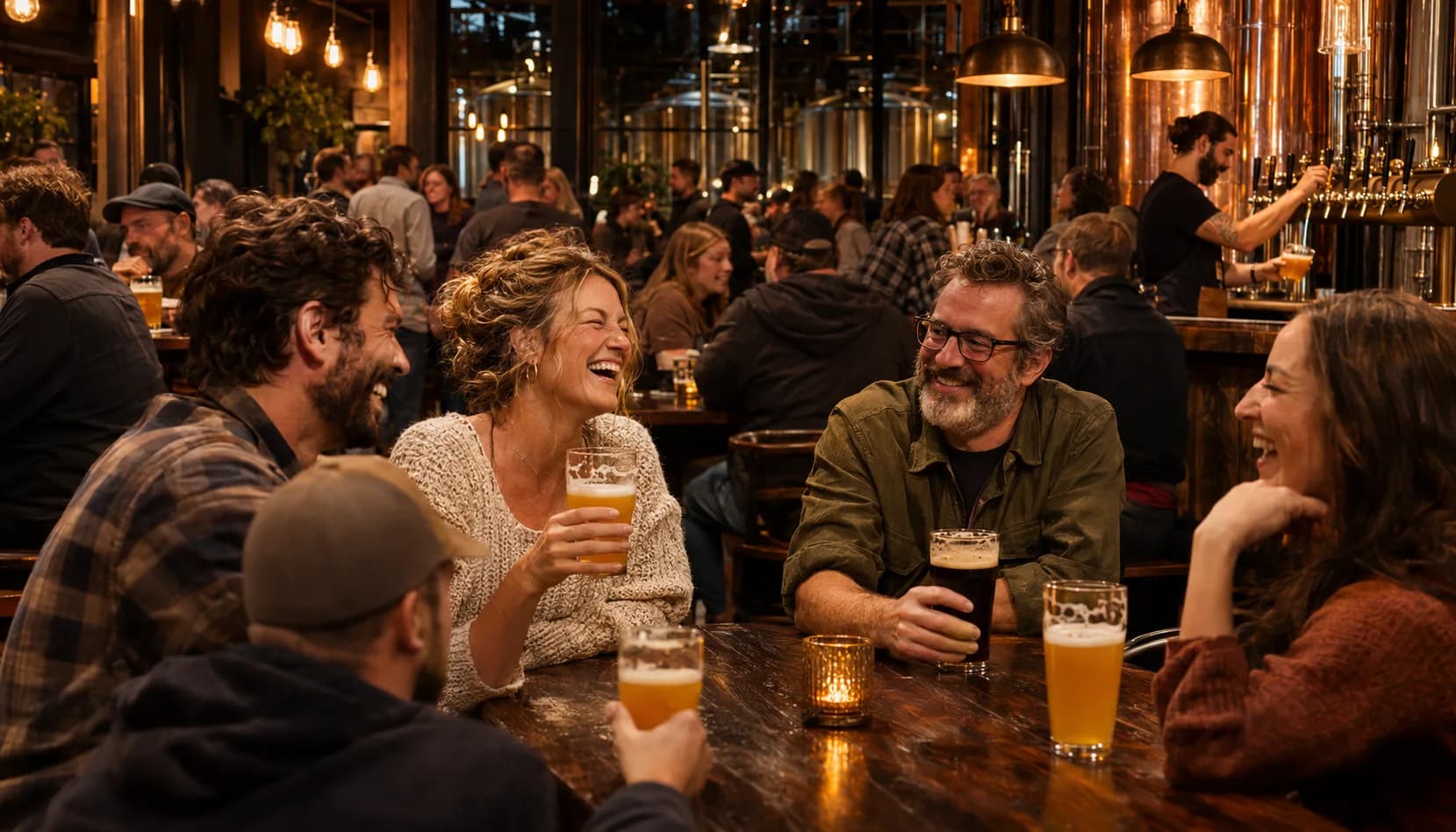
Our brewery marketing service takes the remote jobs off the list, so your coordinator can stay on events and private bookings.
- Daily posts and engagement. A post every day on up to four social accounts, with replies to comments and DMs, and nothing posted without your approval.
- Inquiries flagged to your team. Private-event and rental inquiries go to the person who books them rather than getting answered by us.
- Texts and email, written for you. Release alerts and event reminders to guests who opted in.
- Google Business Profile kept current, plus website SEO, and guest data from Square so you can see who your regulars are.
FAQ
See the schema-ready FAQ block at the end of the page for the full set.
Ready to Give Every Job One Owner?
Your coordinator's hours are worth more selling the loft and running trivia than writing captions at 11 pm. Book a demo to see how we handle the daily marketing for breweries, or see how Brewlytics works for breweries.
Frequently asked questions
Related Brewlytics Feature
Campaign Automation
Taste-segmented iMessage, SMS + email that runs itself once it's wired up.
See how it works →Keep reading
How to Get Travelers to Find and Visit Your Brewery
How travelers find breweries, what to fix on Google Business first, how to get on beer trails and tourism lists, and how to turn visitors into regulars.
Why Your Brewery's Facebook Reach Dropped (and What Still Reaches Your Regulars)
Why many brewery Facebook Pages lost reach in 2026, how to check if yours stopped being recommended, and the channels that still reach your regulars.
Your Taproom Is Slow — 7 Things You Can Do This Week
Slow days happen to every brewery. Don't panic — and don't just wait it out. Seven tactical moves you can make this week to get people through the door.
Want to see this working in your brewery?
Go Pro to see your customers and act on the data — taste profiles, segmented iMessage, SMS + email campaigns, the AI bartender, and the full dashboard. Or book a walkthrough with the brewer who built it. Not ready? Start free, no card.
Just here for the beer? Get the free Barley app