
The Future of Brewery Customer Engagement Is Personalized
By Brian Winckel · Founder, Brewlytics.ai
Short Answer
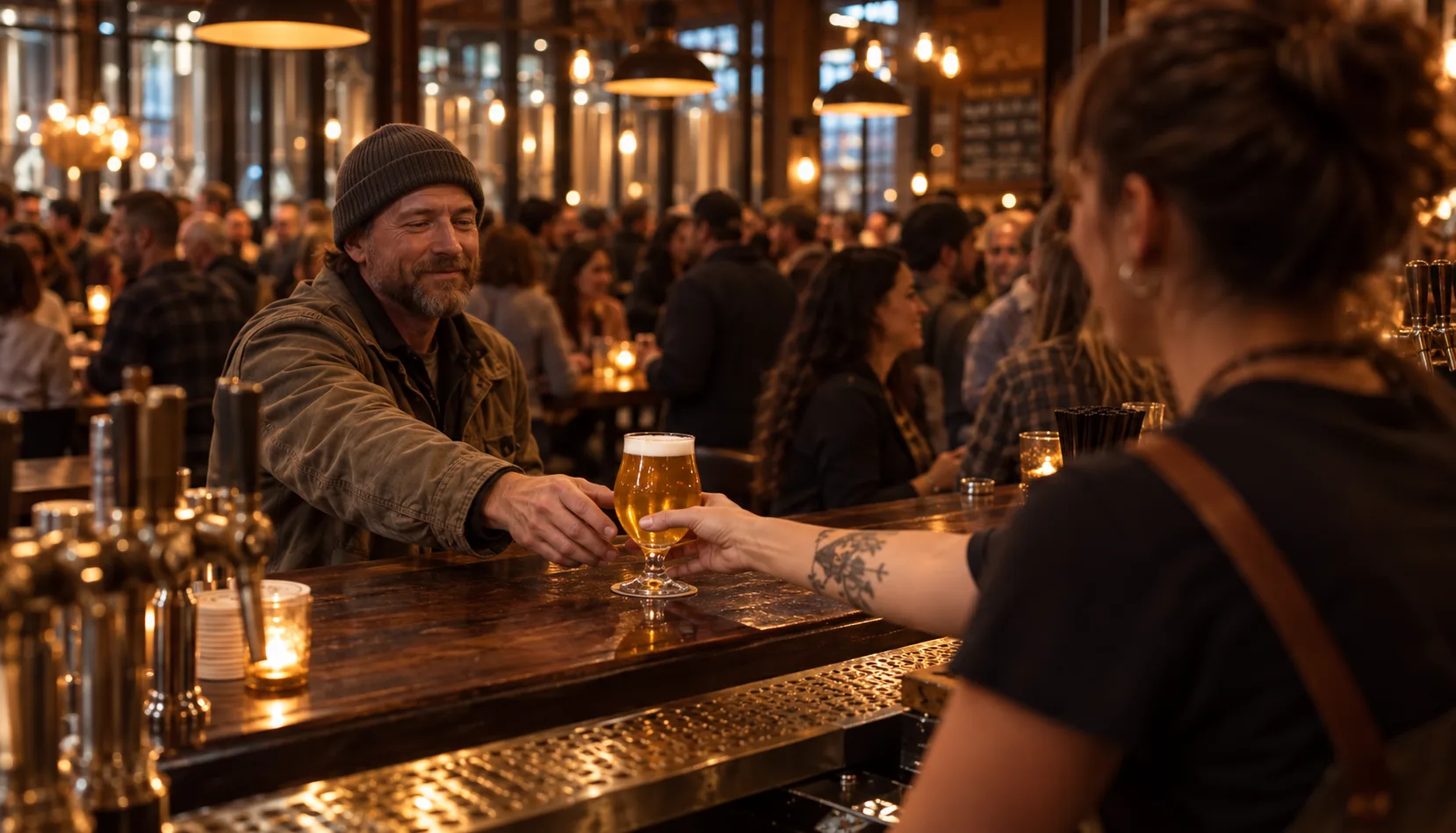
The future of brewery customer engagement is personalization at the level of one guest: the pilsner release reaches the people who drink pilsner, not the whole list. It runs on what guests already did in your taproom, like their orders and ratings, so it feels like a bartender remembering them rather than a company tracking them. Breweries that send fewer, better-aimed messages will keep regulars that email blasts no longer reach.
Barley's Take
Remembering someone's beer is just good manners. The software helps once you've got more regulars than memory.
Why This Matters for Breweries
For most of craft beer's boom, engagement meant one message to everyone. A Thursday newsletter announcing the new hazy IPA, the same Instagram post for every follower, a chalkboard by the door. It worked when a taproom had six taps and a tight crowd of locals who read everything you sent.
A typical taproom now pours a dozen or more beers, from a Czech-style pilsner to a pastry stout, and the guest who only drinks lagers gets the same hazy IPA email as the guest who only drinks hazies. Every send teaches half the list that your messages aren't for them. We covered the symptoms in why brewery email blasts don't work like they used to.
The next decade belongs to breweries that treat each guest as one person with one taste history: the guest who drinks the pilsner every other Friday and has never ordered a sour. The breweries already doing this tend to be the ones that decided knowing what a regular drinks is part of hospitality, whatever their size.
How It Works
From blast, to segment, to person
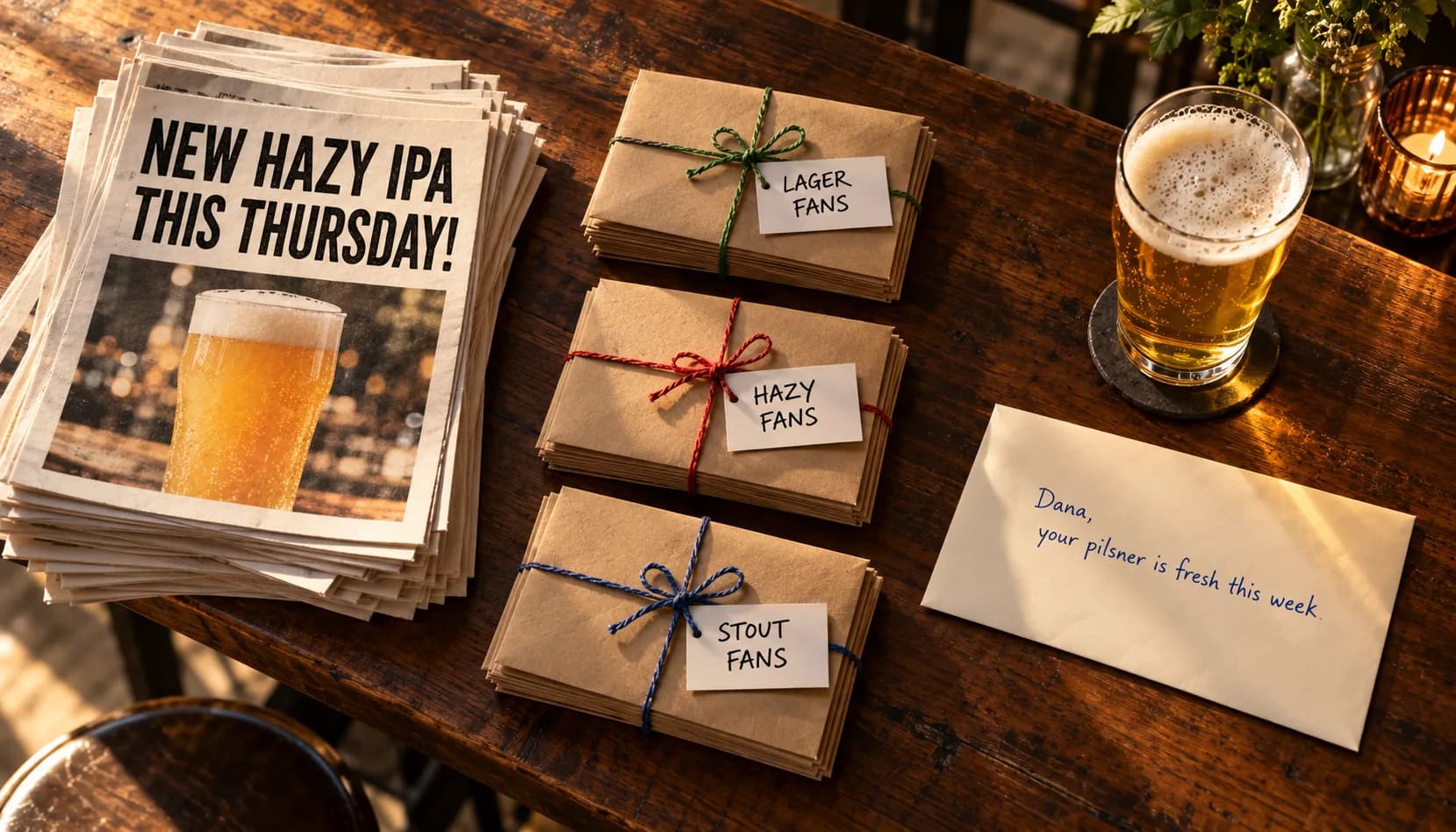
Brewery marketing has moved through three stages, and most taprooms are somewhere between the first two.
| Stage | Who gets the message | What it knows about the guest | What it misses |
|---|---|---|---|
| Blast | Everyone on the list | That they signed up | Everything else |
| Segment | A group defined by a rule: mug club, big spenders, lapsed guests | One fact, like spend or membership | What each person in the group drinks |
| Person | Each guest, based on their own history | What they ordered, rated and said | Nothing they didn't share with you |
Segments were a real step forward. "Guests who haven't visited in 60 days" is a better list than "everyone." But a segment is still a guess about a crowd. Your lapsed guests include a stout lover and a light-lager regular, and one win-back message can't suit both.
Personalized engagement means the unit of marketing is the guest. The beer you suggest, the release you text about and the reward you offer come from that person's own history at your bar.
Identity-aware, not creepy-aware
The worry every owner raises is that this gets creepy, and it can. Two definitions draw the line.
Identity-aware personalization uses only what a guest did or said at your brewery: what they ordered, how they rated it, what they told the bartender. It treats them the way a good regular is treated, as someone you know.
Creepy-aware personalization uses things the guest never knowingly gave you: bought lists, tracked browsing, a birthday they never mentioned. It's built on whatever you can find out about them.
Three tests keep you on the right side:
- The source test. Did this fact come from your taproom? Orders and ratings pass. Anything purchased or scraped fails.
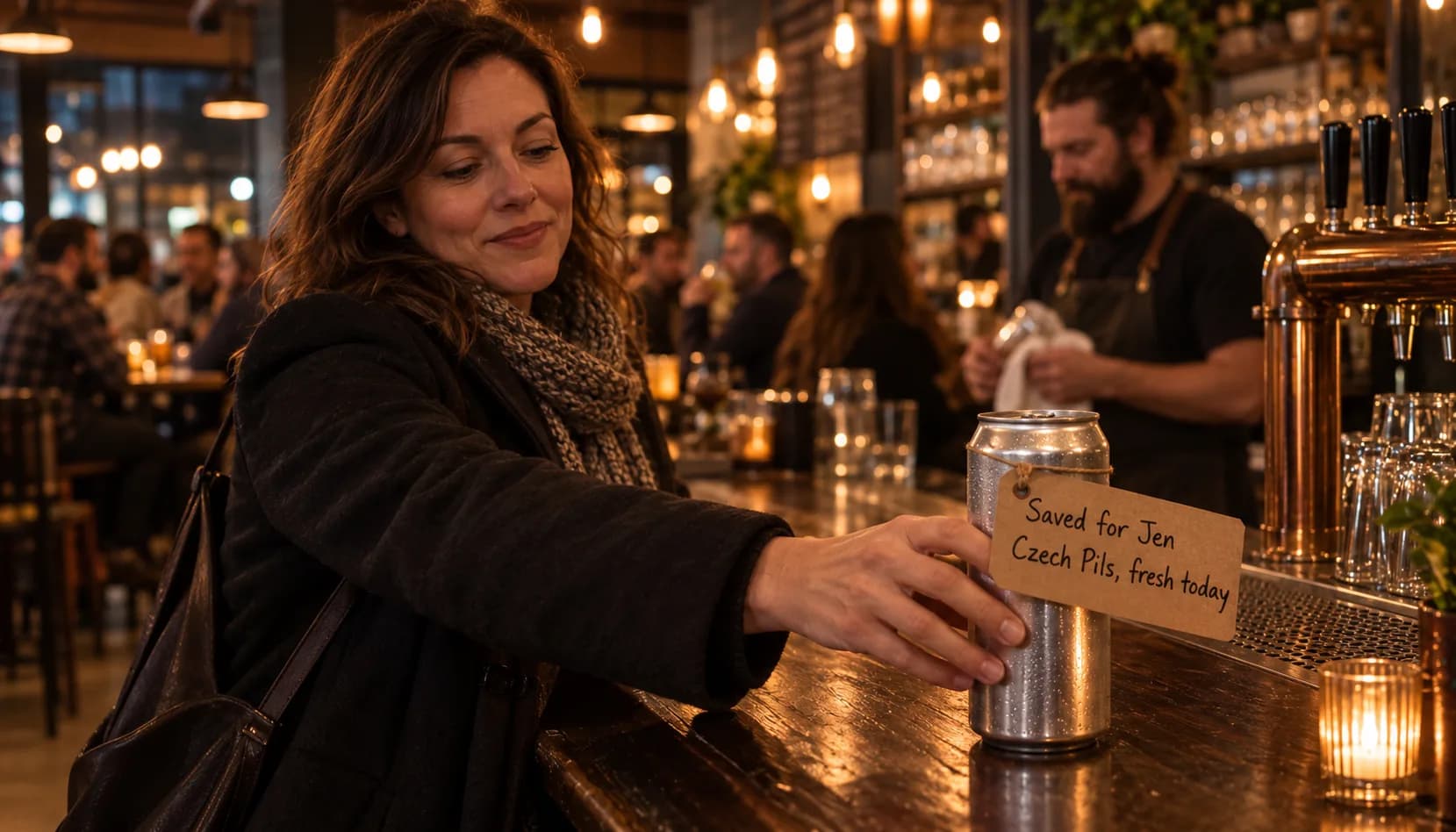
- The bartender test. Could your best bartender say this message out loud across the bar without it being weird? "The pilsner you like is fresh this week" passes.
- The exit test. Can the guest stop the messages with one reply, and does it stop right away?
The hospitality side of this, recognition behind the bar, is covered in why the best brewery experiences feel personal. Here the point is marketing: the same rules apply when the "bartender" is a text message.
What changes when you personalize
- You send less. A release goes to the 150 guests who drink that style, not all 2,000 on the list.
- The tap list becomes the calendar. Messages go out when a beer someone likes is fresh, not because it's Thursday.
- Staff and system share one memory. When your best bartender leaves, what they knew about the regulars doesn't leave with them.
- Ratings start to matter. A guest's opinion of last month's beer changes what they hear about next month.
What doesn't change: the beer still has to be good, and the room still has to be friendly. Personalization gets the right guest through the door. It can't fix what they find when they arrive.
Example Brewery Scenario
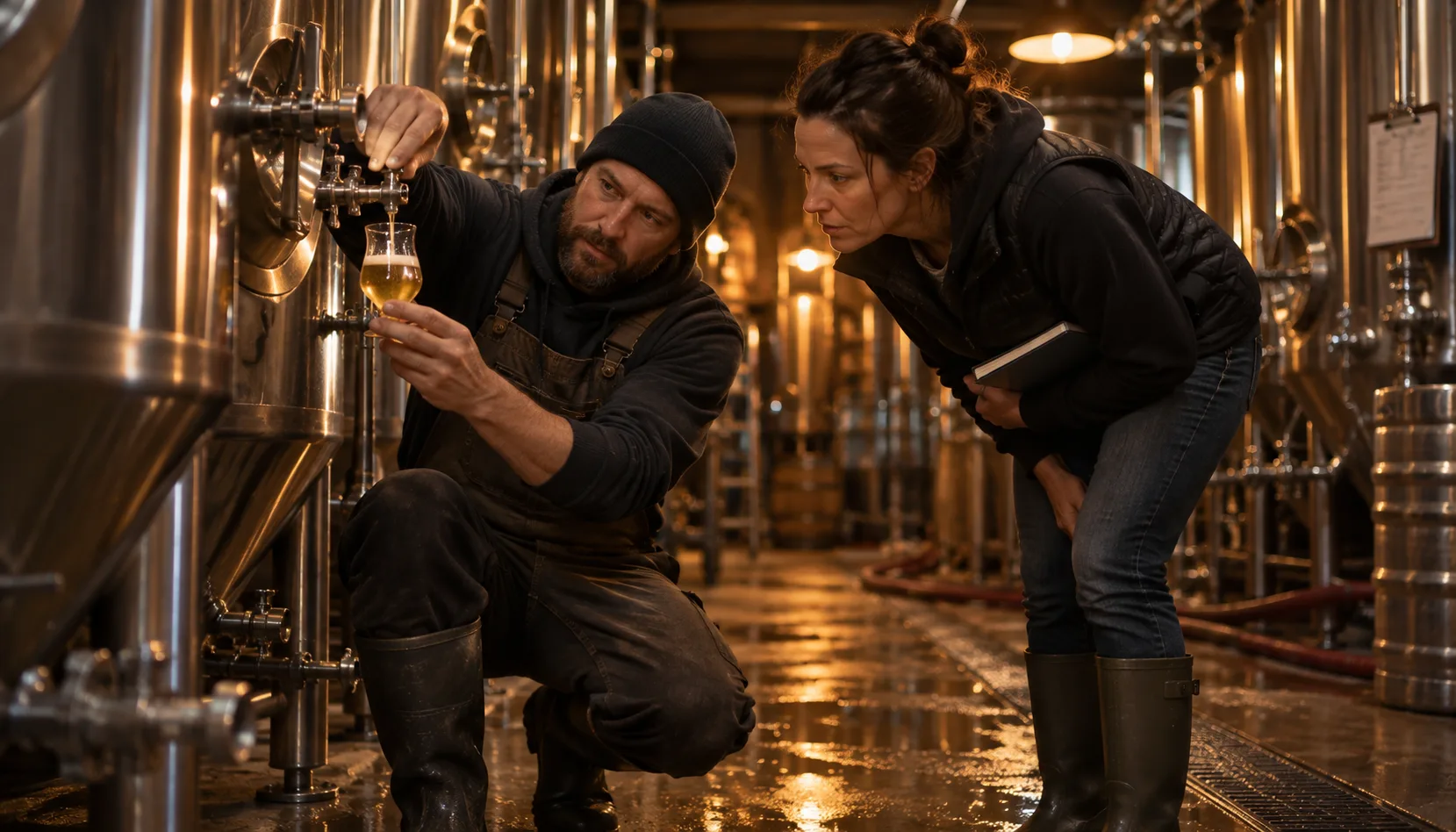
Kettle Hill Brewing runs a 7-barrel system and a 12-tap taproom on Square. Its newsletter list has 1,900 subscribers, and the Square customer directory holds about 2,400 guests who've given a phone number at checkout.
In March, Kettle Hill released a Czech-style pilsner, 4.4% ABV, decoction-mashed, lagered for six weeks. The old playbook: a Thursday newsletter to all 1,900 subscribers with a photo of the pour. About a third opened it. The owner couldn't tell whether any of the guests who came in that weekend came because of it.
For the October batch, the taproom manager tried it the other way. She pulled every guest from Square who had ordered a lager of any kind at least three times in the past six months. That came to 162 people. Each got one text the morning the pilsner went on tap: the beer, the ABV, and a line saying it was fresh this week. Nothing went to the other 2,200.
Two things were different. First, the manager could count: guests from that list who bought a pour in the next ten days, matched by phone number at checkout. Second, nobody unsubscribed, because nobody got a message about a beer they'd never order. The hazy crowd heard about the hazy release two weeks later, and only them.
Pulling that list by hand took most of an afternoon, and nobody wanted to repeat it for every release. That's the point where software earns its keep. Personalizing by hand proves the idea, but it doesn't scale past one beer.
Practical Checklist
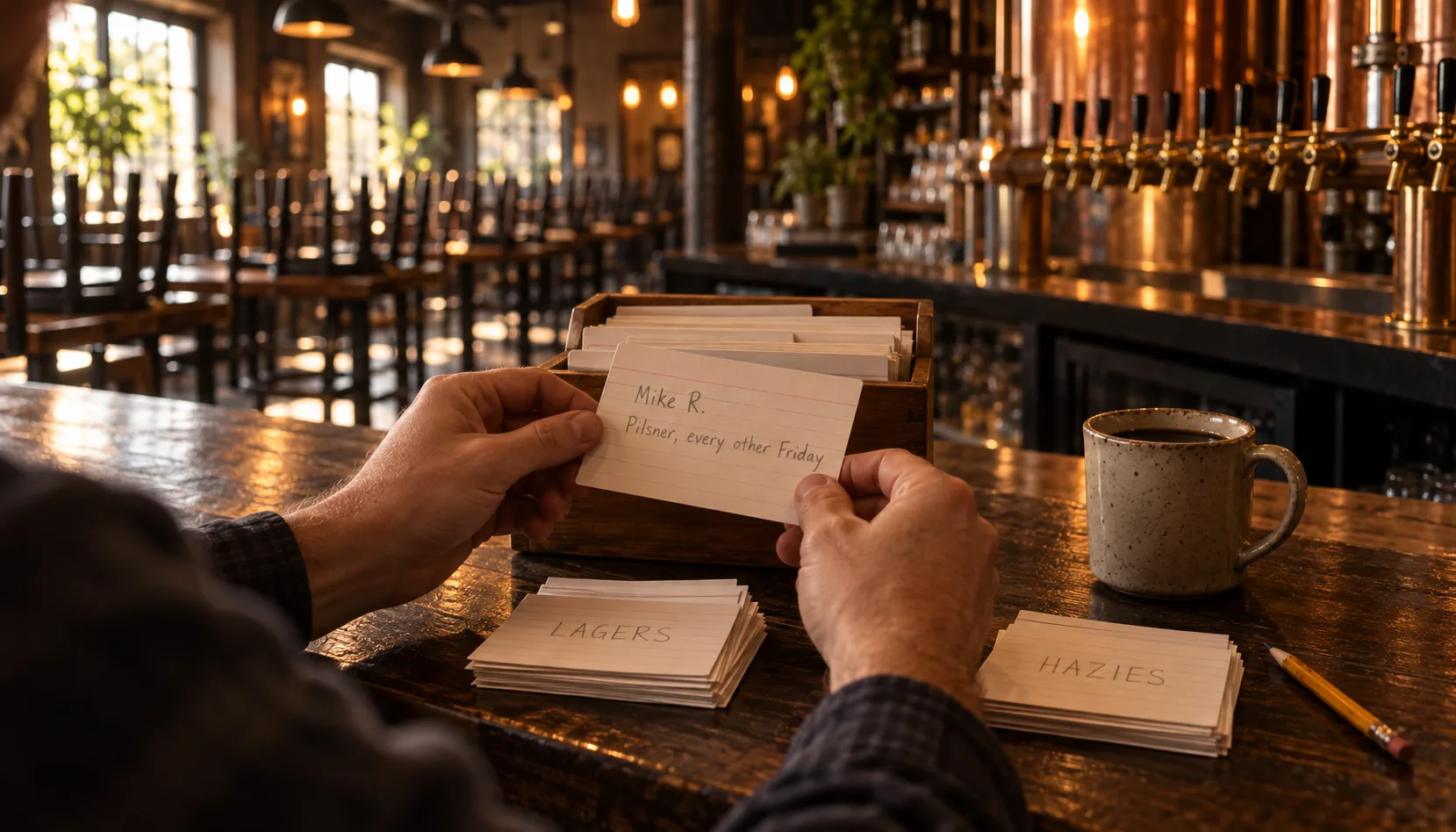
- Check what your POS already knows. Open the customer directory in Square, Toast or Arryved and see how many guests have item-level order history tied to a phone number.
- Pick one beer and one style group. Your next lager, sour or stout release. List the guests who ordered that style three or more times this year.
- Write the message your bartender would say. One or two lines. The beer, why it's worth coming in, when it's fresh. No discount needed.
- Send it only to that list. Resist adding "everyone else, just in case."
- Count the visits. Match checkout phone numbers against the list for ten days after the send.
- Run the three tests on every message. Source, bartender, exit. Cut anything that fails one.
- Ask for ratings. A thumbs up or down on the last pour is the cheapest way to make the next message better.
How Brewlytics Helps
Brewlytics is built around the idea that each guest is one person with one taste history. It reads the Square POS you already run (Toast is next on the roadmap, Arryved after that), so the history builds from real orders, not a separate app guests have to remember.
- Customer Taste Profiles build up from what each guest orders and rates, so a regular's preferences exist in the system rather than in one bartender's head.
- Taste Segments group guests by what they actually drink, so "lager regulars" is a list you can pull in seconds instead of a spreadsheet afternoon.
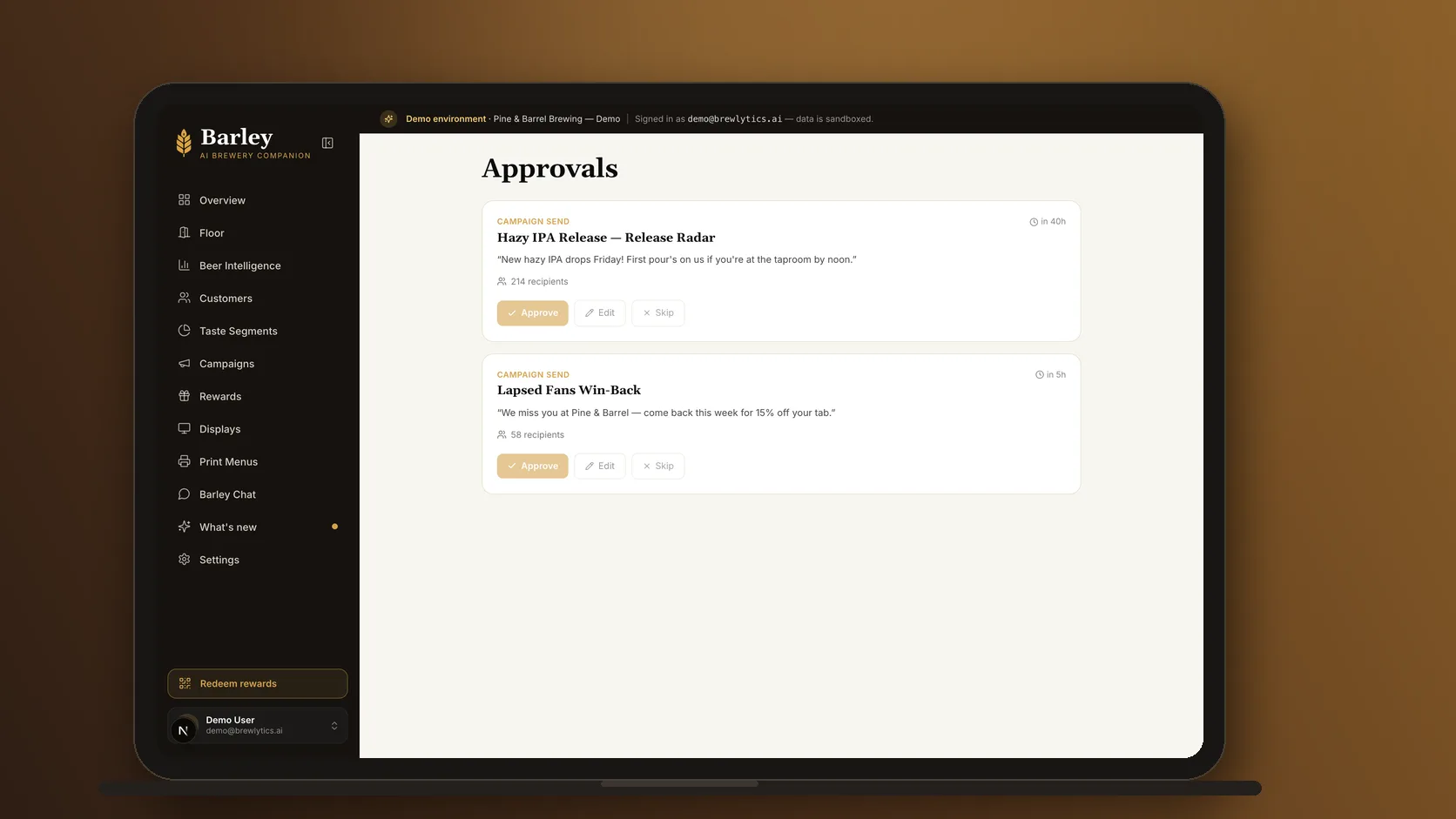
- Release Radar sends a new-beer text only to the guests whose profiles fit it, and each campaign waits on an approvals page for you to approve or skip before anything goes out.
- Barley, the AI bartender, talks with guests on their phones, recommends from what's pouring, and remembers what they said they liked on their next visit.
For the wider marketing picture, from events to email, start with the complete guide to brewery marketing. For how taste-matched picks turn first-timers into regulars, read how personalized beer recommendations can increase taproom loyalty.
FAQ
See the schema-ready FAQ block at the end of the page for the full set.
Ready to market to people instead of lists?
Your POS already holds the history of every guest who gave a phone number at checkout. Personalized engagement starts by reading it, one guest at a time.
→ Book a demo and bring your Square account. We'll show you which of your guests would want your next release. → See how Brewlytics works for breweries if you'd rather read first.
Frequently asked questions
Related Brewlytics Feature
Customer Taste Profiles
Taste profiles that build as customers engage — quiz, ratings, and chat.
See how it works →Keep reading
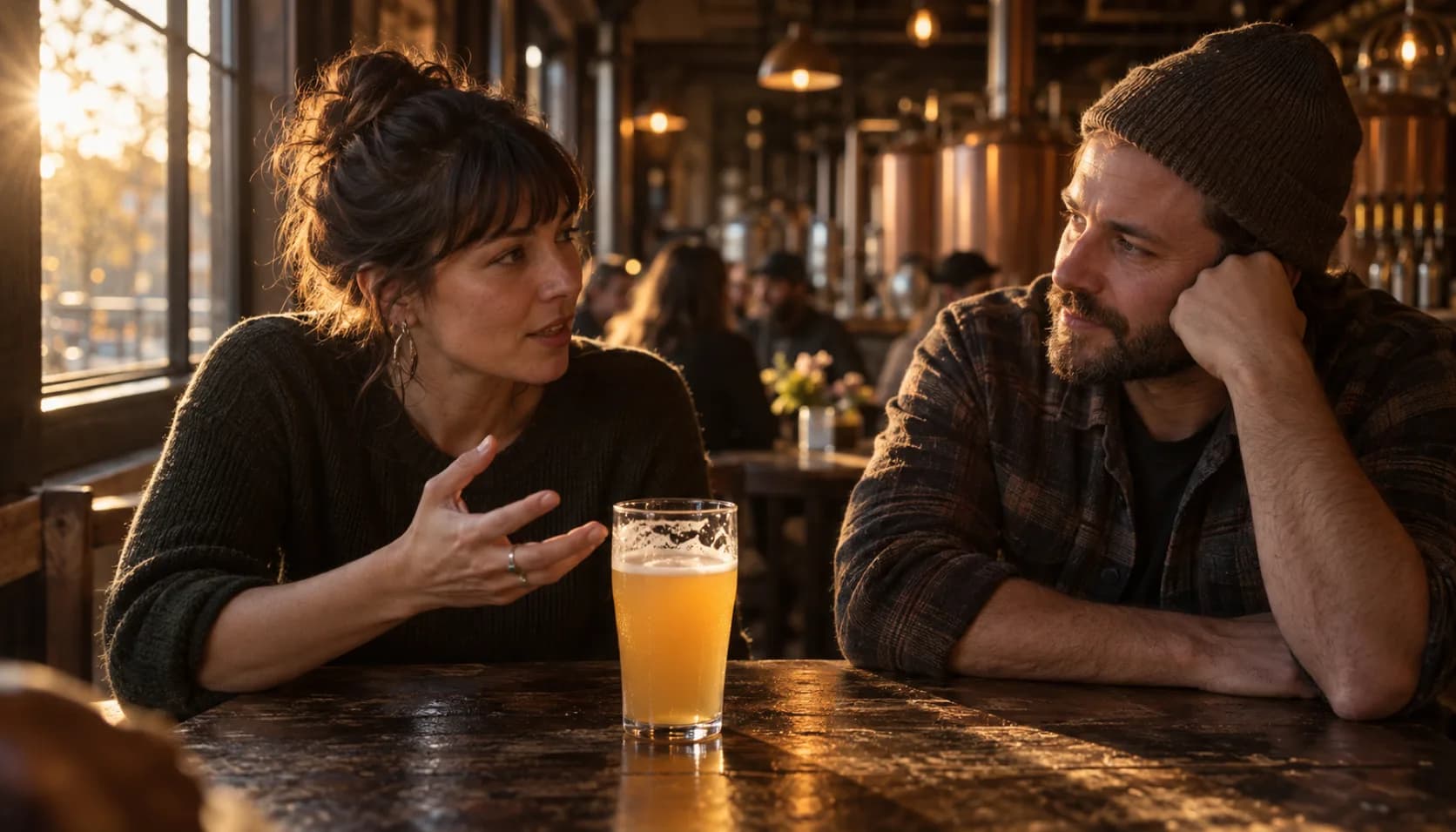
How Sensory Feedback Can Improve Brewery Recommendations
Five stars tells you a guest liked the beer, not why. Here's how to collect sensory feedback one tap at a time and recommend the next pour accurately.
Why Brewery Email Blasts Don't Work Like They Used To
Email open rates collapsed, Instagram reach is a rounding error, and the Tuesday newsletter doesn't move pints. Here's what's replacing broadcast blasts.
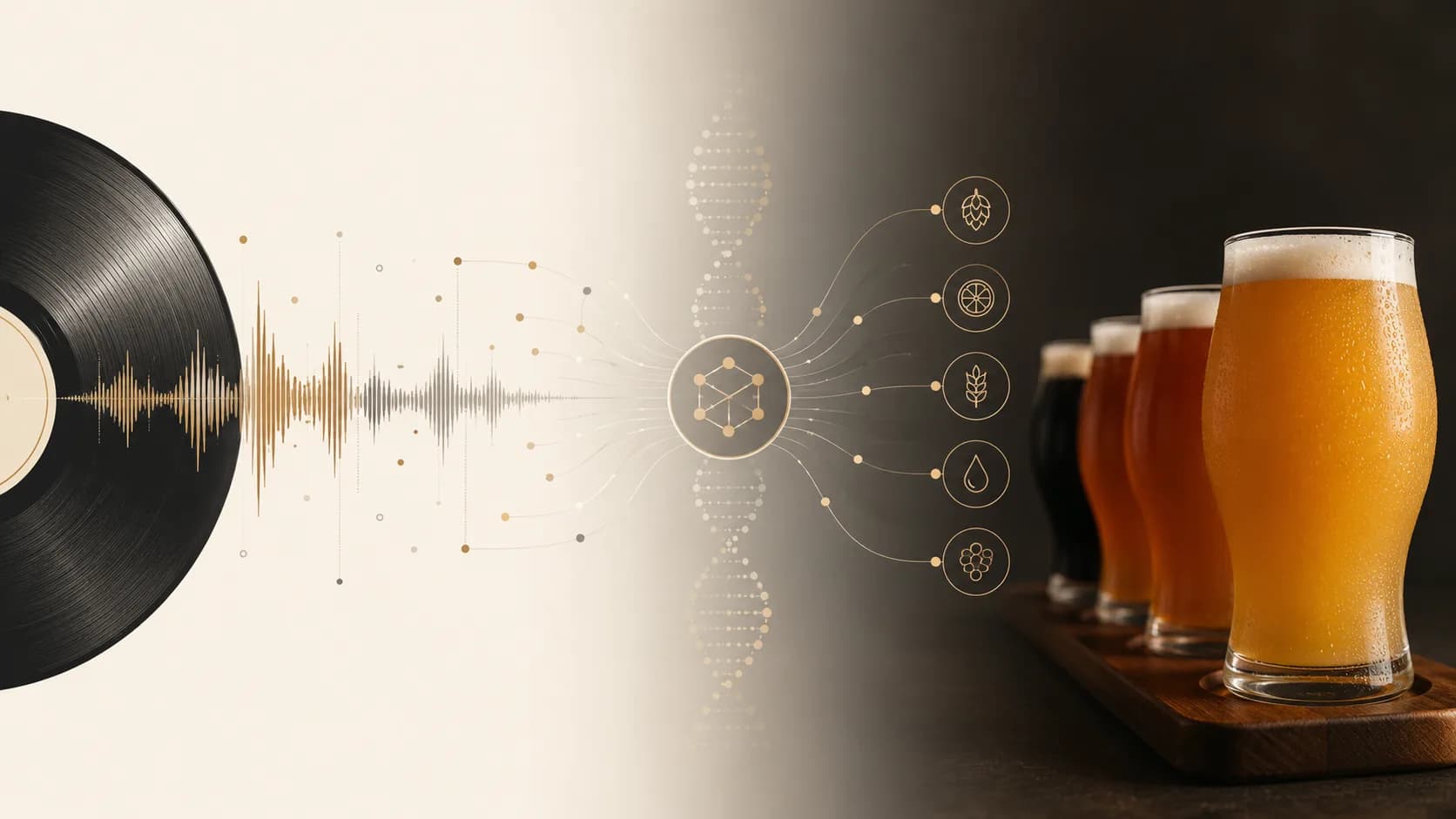
What the Music Genome Project Can Teach Craft Breweries
Pandora's Music Genome split every song into ~450 attributes and built a recommendation engine on it. Craft beer has the same raw material — and barely uses it.
Want to see this working in your brewery?
Go Pro to see your customers and act on the data — taste profiles, segmented iMessage, SMS + email campaigns, the AI bartender, and the full dashboard. Or book a walkthrough with the brewer who built it. Not ready? Start free, no card.
Just here for the beer? Get the free Barley app