
Why Brewery Email Blasts Don't Work Like They Used To
By Brian Winckel · Founder, Brewlytics.ai
Short Answer
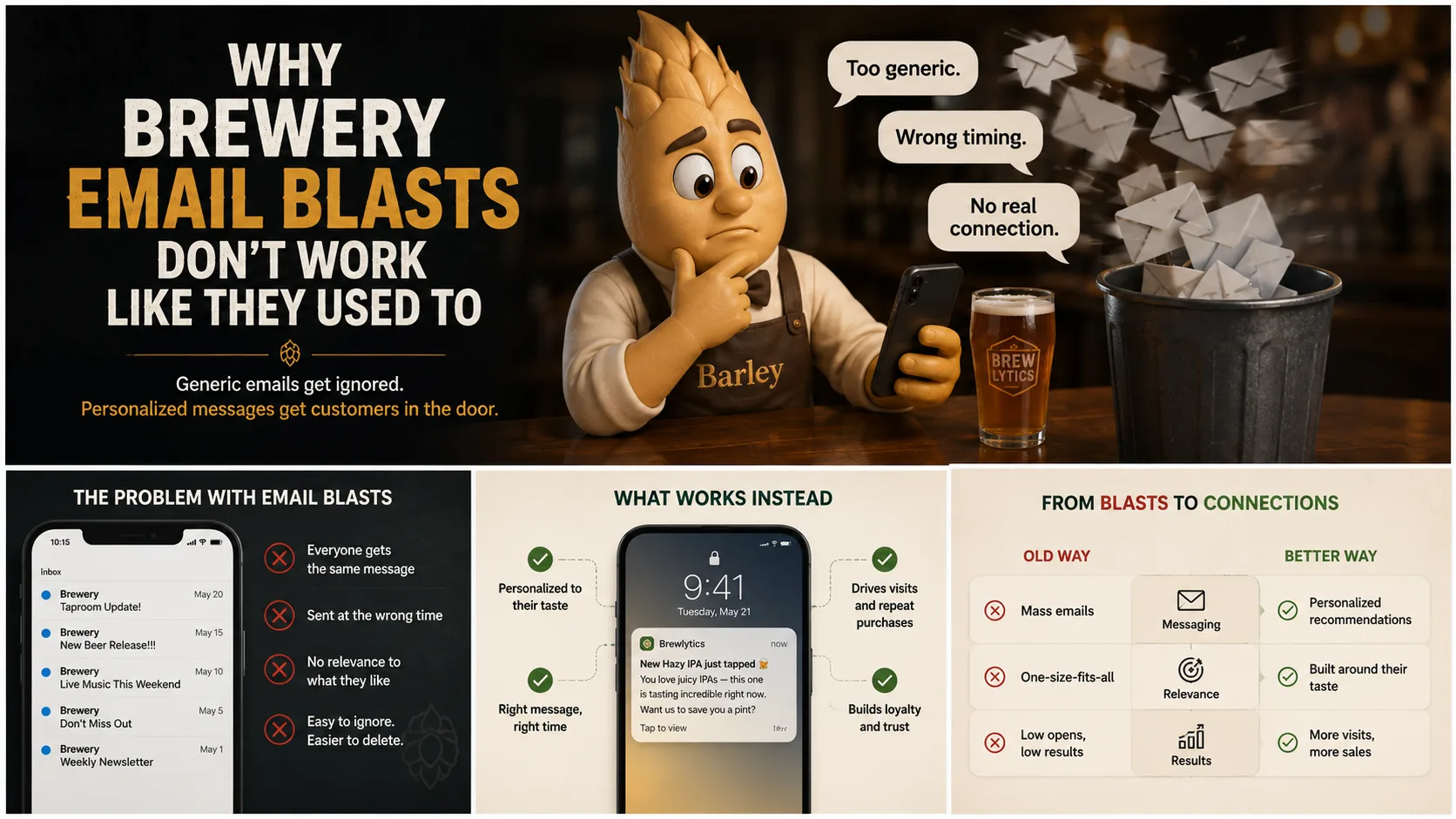
Email open rates have collapsed once you strip out Apple Mail Privacy Protection inflation, and Instagram organic reach for posts now sits at 2–6% of followers. Both channels are decaying at once for the same reason: algorithm gating plus an attention market that's been growing while the audience hasn't. The Tuesday 'here's what's new' email and the 'new beer is on!' Instagram post are the jobs most affected — they earned their keep on broadcast reach that no longer exists. Email and IG still have surgical uses (community storytelling, visual brand, evergreen content), but the per-release announcement job has moved to taste-segmented SMS, peak-freshness alerts, and the in-taproom moment.
Barley's Take
Broadcast worked when the channel did the targeting for you. The channel stopped doing that. Asking it to is a polite way to talk to nobody.
Why This Matters for Breweries
Pretend you're a brewery owner in mid-2018. You tap a new IPA on Tuesday morning, post to Instagram by 11am, send the newsletter by 4pm, and by Friday night the taproom has a line. Direct attribution is fuzzy but the math worked — most weeks the same playbook produced the same weekend.
Run that same playbook today and the line is shorter. The Instagram post got ~140 organic impressions out of your 4,800 followers. The email "opened" at 22%, but you know that number is mostly Apple Mail registering an open because it pre-loaded the images, not because a human looked. Click-through to your tap-list page was 1.4%. The customers who would have shown up Friday based on those signals — maybe 30 of them — are split across a half-dozen other breweries pushing the same announcements through the same dying channels.
This article is about what happened, why, and what's working now. The short version: broadcast brewery marketing is decaying everywhere at once, and it's decaying for one underlying reason — algorithms gating reach, plus attention competition that's grown 10× while your audience hasn't. Email and Instagram both got hit. The Tuesday newsletter and the "new beer is on!" post are the jobs most affected.
Email and Instagram aren't dead. They still earn their keep — for the right jobs. The job they don't earn their keep on anymore is announcing this week's release to the customer who would have loved it.
How It Works
Two channels, same arc.
What actually happened to email open rates
The 25%-open-rate number breweries quote from 2017-era Mailchimp dashboards is gone. Three forces drove it down:
Apple Mail Privacy Protection. Since September 2021, Apple Mail pre-fetches email images on Apple's servers, which fires the tracking pixel regardless of whether a person opened the email. About 60% of brewery audiences use Apple Mail. Reported open rates went up; real opens went down. Two different numbers, same column on the dashboard.
Gmail's Promotions tab. Gmail routes most automated brewery email into the Promotions tab, where it sits visually distinct from "real" mail. People do scan that tab — but with intent ("I'm shopping right now"), not with the loyalty energy you'd hoped to summon. Open rates in Promotions are a fraction of the inbox proper.
Volume saturation. Every brewery, every craft retailer, every taproom, every collab partner is in your customer's inbox. The total volume of "your favorite brewery just tapped something" emails has multiplied; the customer's available attention has not.
The net: industry-quoted opens of ~20% map to genuine, engaged human opens in the high single digits to low teens. Click-through rates — a much harder metric to game — landed around 1–3% for craft breweries. That's the number that should drive your decisions.
The same arc on Instagram
Instagram organic reach has been compressing since at least 2018, but the pace has accelerated since 2022 as Meta tilted the algorithm toward Reels and short video. Practical numbers for a small brewery in 2026:
- Feed posts: 2–6% of follower count, often the lower end. A brewery with 5,000 followers reaches 100–300 people per post organically.
- Stories: similar — typically 4–8% of follower count viewed in the first 24 hours, then it's gone.
- Reels: somewhat better, occasionally much better, but require constant production at a pace most breweries can't sustain and a video competence most breweries don't have.
Two things this means in practice. First, the math of "post the new tap on Instagram → fill the taproom" stopped working. Second, the people you're reaching organically are the same hyper-engaged subset that already opens your email and texts and shows up Friday anyway — they don't need the announcement to come back.
Why both channels broke at once
Email and Instagram weren't independent. They were both broadcast channels in an era when the inbox / feed did the targeting for you. When a customer's inbox or feed was small, "post once, reach everyone who follows you" produced relevance just by adjacency. When the inbox / feed got crowded, the platform started gatekeeping based on signals: prior opens, prior engagement, recency of activity. Reach became contingent on engagement, which was contingent on reach. The customers most likely to come back without your push got the message; the customers who needed a nudge to come back didn't.
A broadcast channel can't solve that. By definition it has one message for everyone, and reach is decided by the platform.
What does work now
Three things, ordered by directness:
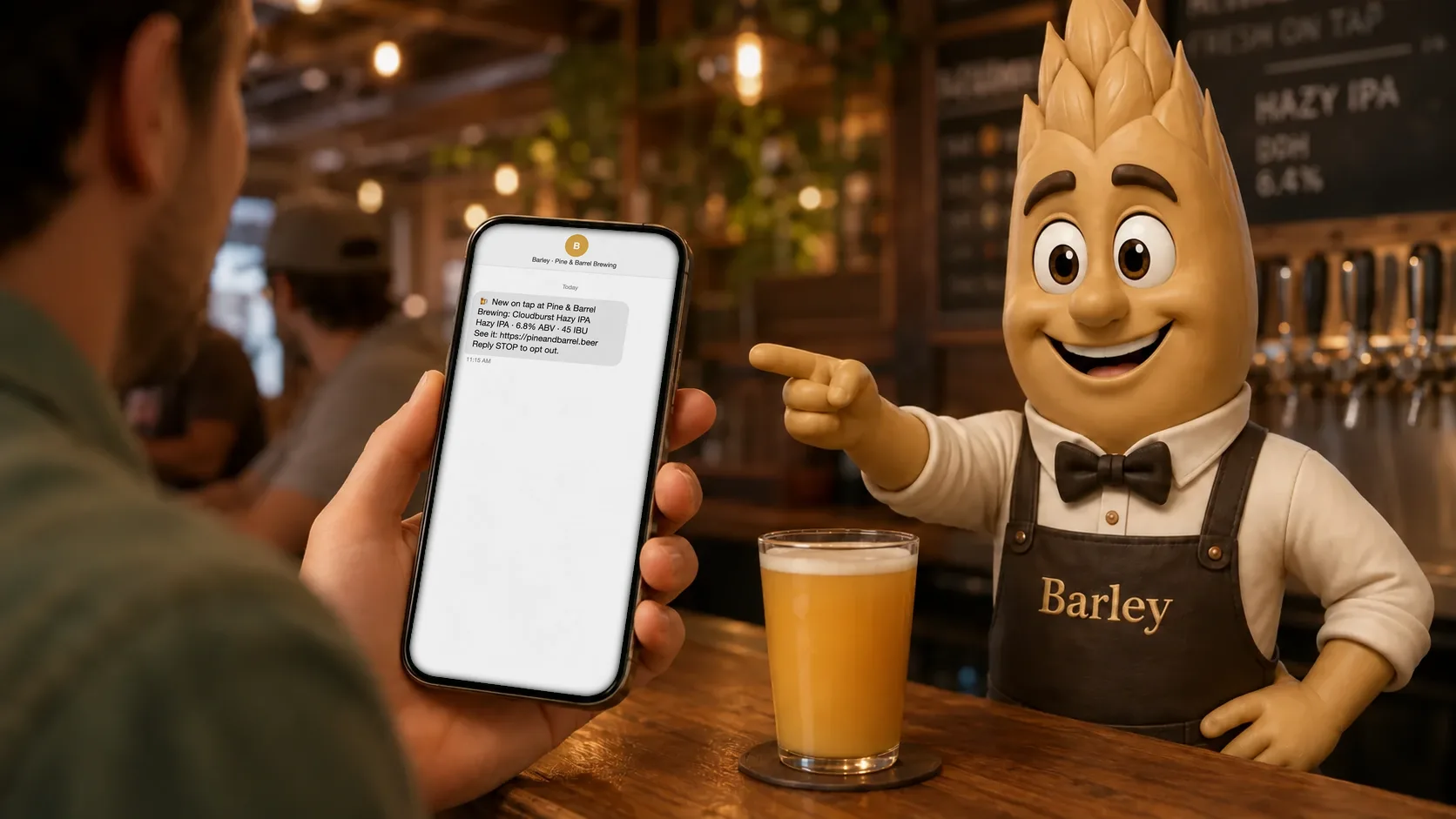
- Taste-segmented SMS. Customers opt in (TCPA-required, but the opt-in itself is a meaningful filter). Open rates run 90%+ within minutes. Message specifically — "the Hazy IPA you rated 5 stars last month is back, peak freshness right now" — and you bypass the broadcast problem entirely.
- Peak-freshness alerts to the right people. Same mechanic as #1, but triggered by the beer being at peak rather than the customer being due. When a Galaxy single-hop pale hits day-3 of a 14-day freshness window, the 80 customers in your database whose taste profile matches Galaxy specifically get one message. The other 4,920 don't.
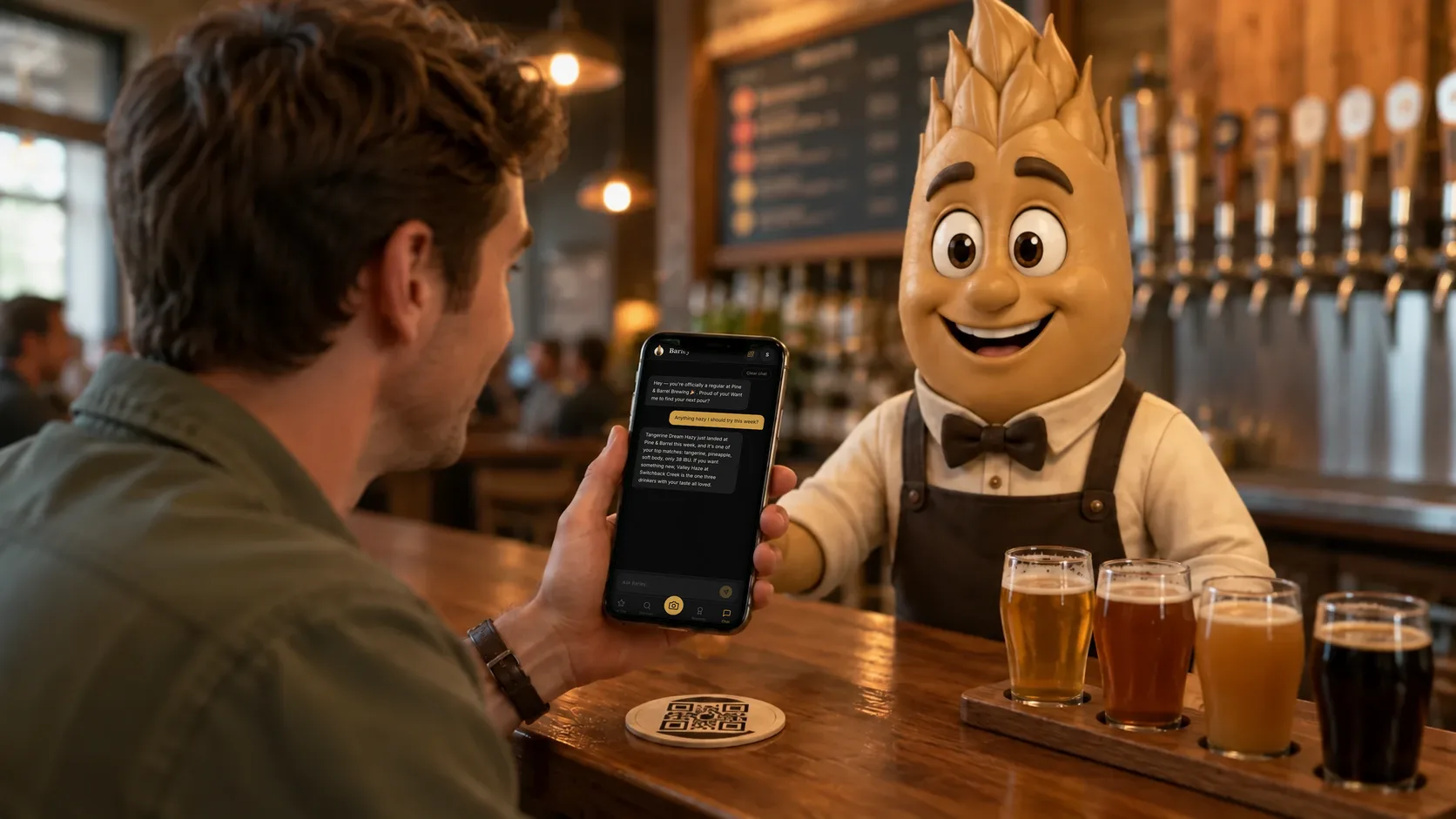
- The in-taproom moment. A QR coaster that opens a "what should I try?" chat backed by the customer's history and your current tap list. Doesn't replace the channels above; it catches the customers who are there and answers the question that drives the next pour.
None of these are broadcast. All of them work because the platform isn't deciding who gets the message — you are, based on a taste profile the customer's actual behavior built for you.
Example Brewery Scenario
Pretend you run Eastwind Brewing — a 7-barrel taproom in the Bay Area with 4,800 Instagram followers and 2,300 email subscribers. Your typical Tuesday playbook through 2025 was: tap the new release at 11am, post to Instagram, email the list at 4pm. Friday traffic was your barometer.
You audit Q1 2026 honestly. Email "opens" averaged 21%, but you cross-reference with click-throughs — 1.6% — and the math tells you maybe 80 humans actually engaged with the Tuesday email. Instagram impressions on the release post averaged 240 (out of 4,800 followers). On weeks you skipped the email and the Instagram post entirely, taproom traffic on Friday was effectively unchanged.
You change the playbook. Instead of broadcasting on Tuesday, you start using taste-segmented SMS through your loyalty layer. The first Tuesday you do this:
- The new Hazy IPA pings 140 customers whose taste profile matches it. SMS arrives at 11:30am.
- 96 of them open within five minutes.
- 22 reply, ask follow-up questions, or click through to your tap list.
- Friday traffic includes 14 of those 22, plus 8 who came in unprompted later in the week mentioning the SMS.
The Instagram feed post still happens — but it's now a Reel showing the brewer talking about the hop bill, not a "new beer on!" announcement. It performs about how it always did (~250 impressions), but it's doing a different job now: brand and discovery, not release notice. The Tuesday email shifts to a monthly "what we're brewing next" deeper-storytelling piece — opens drop further in the short term but the small audience that reads it is your most engaged 200 customers.
Six months in, Friday traffic on release weeks is up double-digit percent, your unsubscribe rate from the email list is lower (because the email is now genuinely interesting to the people on it), and the Instagram audience that follows you isn't getting trained to scroll past you. Nothing about the brewery changed. The channel mix changed.
Practical Checklist
If you're rebuilding the marketing layer this quarter, work through these in order:
- Audit your real email engagement. Click-through rate, not open rate. If your CTR is below 2%, your broadcast email job is already done — keep the list for surgical use, stop the weekly grind.
- Map your top 100 customers' tastes. Even by hand — start from your catalog's flavor DNA and the orders you can attribute to a known regular. This is the substrate everything else runs on.
- Build the SMS opt-in path. TCPA-compliant double opt-in, plain language about what they'll receive, low frequency promise (one to two messages a week max).
- Pick the FIRST release you'll target via segmented SMS instead of broadcast email + Instagram. Run it once before you commit to the new pattern.
- Shift Instagram from announcement to evergreen. Brewer interviews, beer-pairing reels, taproom-vibe content. Things that work as discovery for new visitors, not as updates for old ones.
- Keep email — for the right jobs. Monthly community storytelling, beer-club operations, lapsed-customer winback. Stop the weekly "what's new."
- Measure what changed. Friday traffic on release weeks, second-visit rate, SMS reply rate. The dashboard you used to watch (email opens, IG impressions) tells you increasingly little.
How Brewlytics Helps
The shift from broadcast to segmented isn't just a copy change — it requires customer data structured the right way. Specifically:
- Customer Taste Profiles accrue as customers engage with Barley — ratings, claimed orders, chat, the onboarding quiz. The customers whose taste matches your new Hazy IPA reveal themselves as they engage; they were never extractable from a Mailchimp segment.
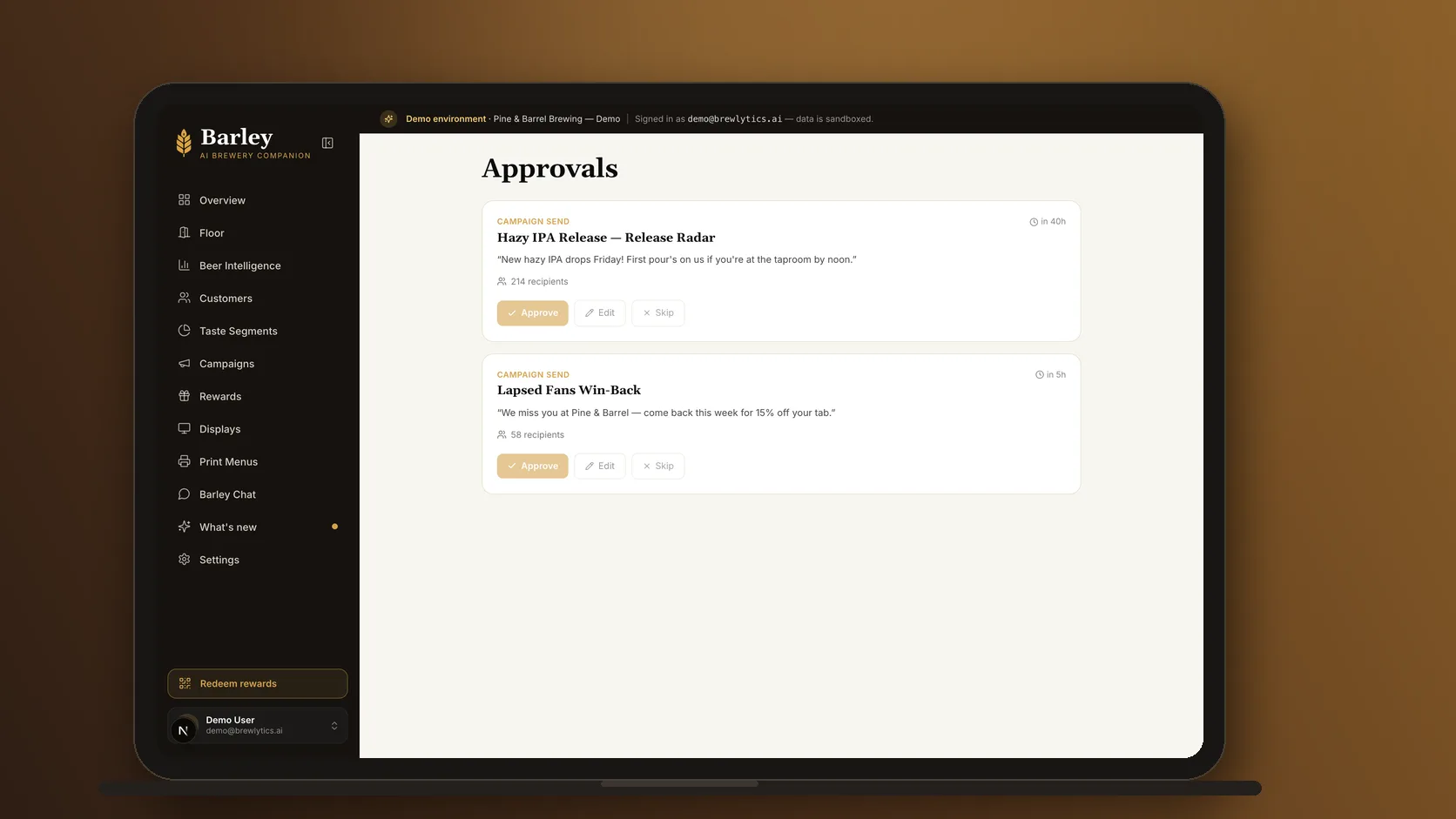
- Fresh Beer Alerts match those taste profiles against your currently-pouring beers and their freshness windows, then trigger SMS at the right moment. The brewery sends one campaign; the system decides who gets it.
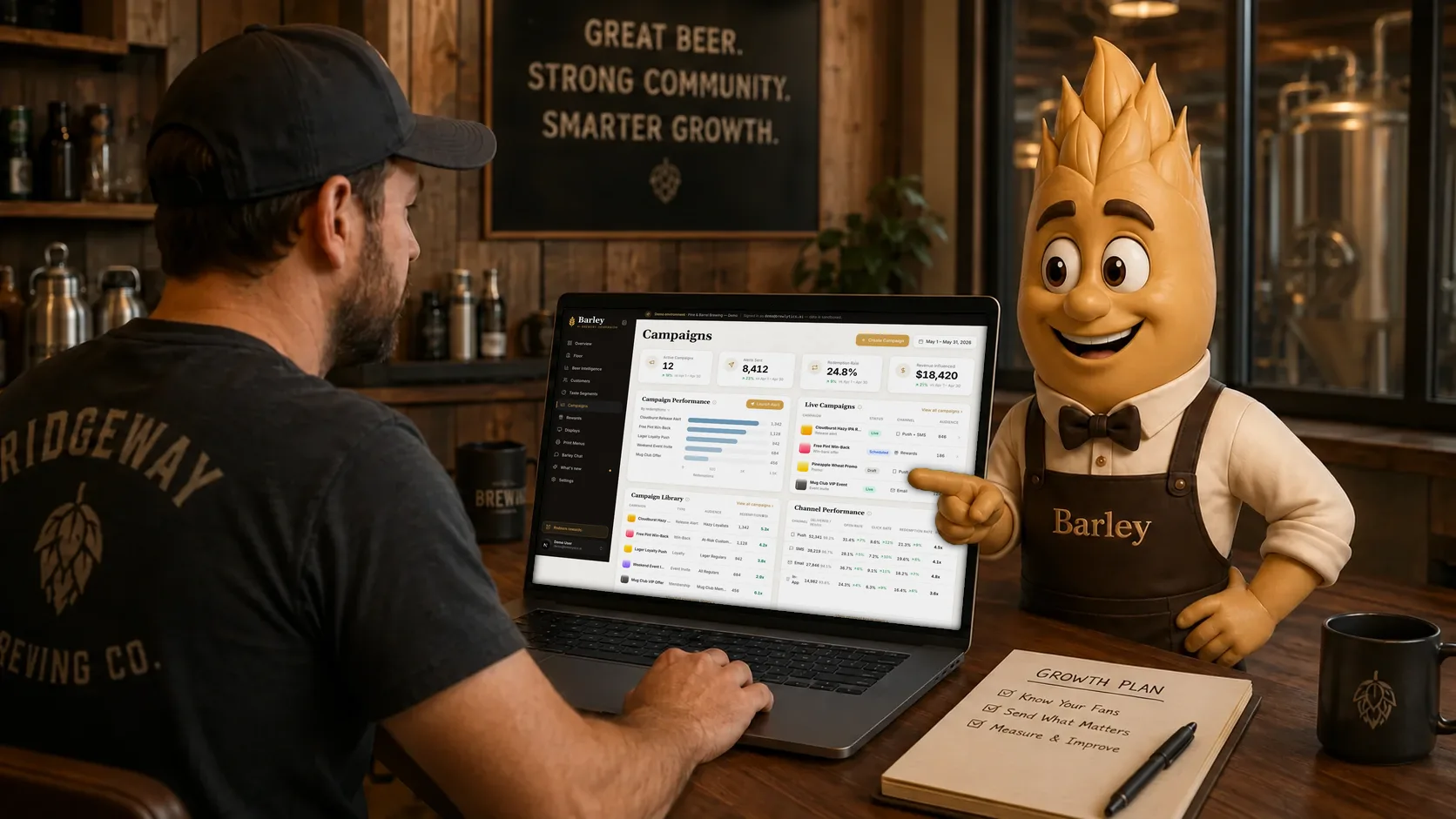
- Campaign Automation runs the trigger logic — new release, freshness threshold crossed, lapsed customer threshold hit — without a person at the dashboard.
- Barley Chat is the in-taproom side of the same intelligence. A QR-scan customer asking "what should I try?" gets the same taste-aware answer the SMS layer would have sent.
You don't replace email or Instagram with Brewlytics. You change what each channel is for, and you replace the broadcast announcement job with taste-segmented SMS that the platform doesn't gatekeep. For the underlying argument on why a taste model is the substrate for all of this, see what the Music Genome Project can teach craft breweries. For why generic loyalty programs can't deliver the targeting layer required, see why traditional brewery loyalty programs don't create regulars. For how email fits the wider picture, start with the complete brewery marketing guide.
FAQ
(See the schema-ready FAQ block at the end of the page for the full set — covers realistic open rates, what email is still good for, what replaced the announcement job, Instagram organic reach, what to do with Instagram now, and the Facebook question.)
Ready to see what your current customer list could actually do?
Most breweries already have the raw material they need: a full menu no email tool can read along its flavor axes. We can pull your Square catalog (Toast and Arryved are on the roadmap), map your menu's flavor DNA through the Beer Taste Genome, and show you how Barley turns engaged customers into taste profiles — and how a single targeted release campaign performs against your usual Tuesday blast.
→ Book a demo and bring your POS account. → See how Campaign Automation works for the technical picture.
Frequently asked questions
Related Brewlytics Feature
Campaign Automation
Taste-segmented iMessage, SMS + email that runs itself once it's wired up.
See how it works →Keep reading
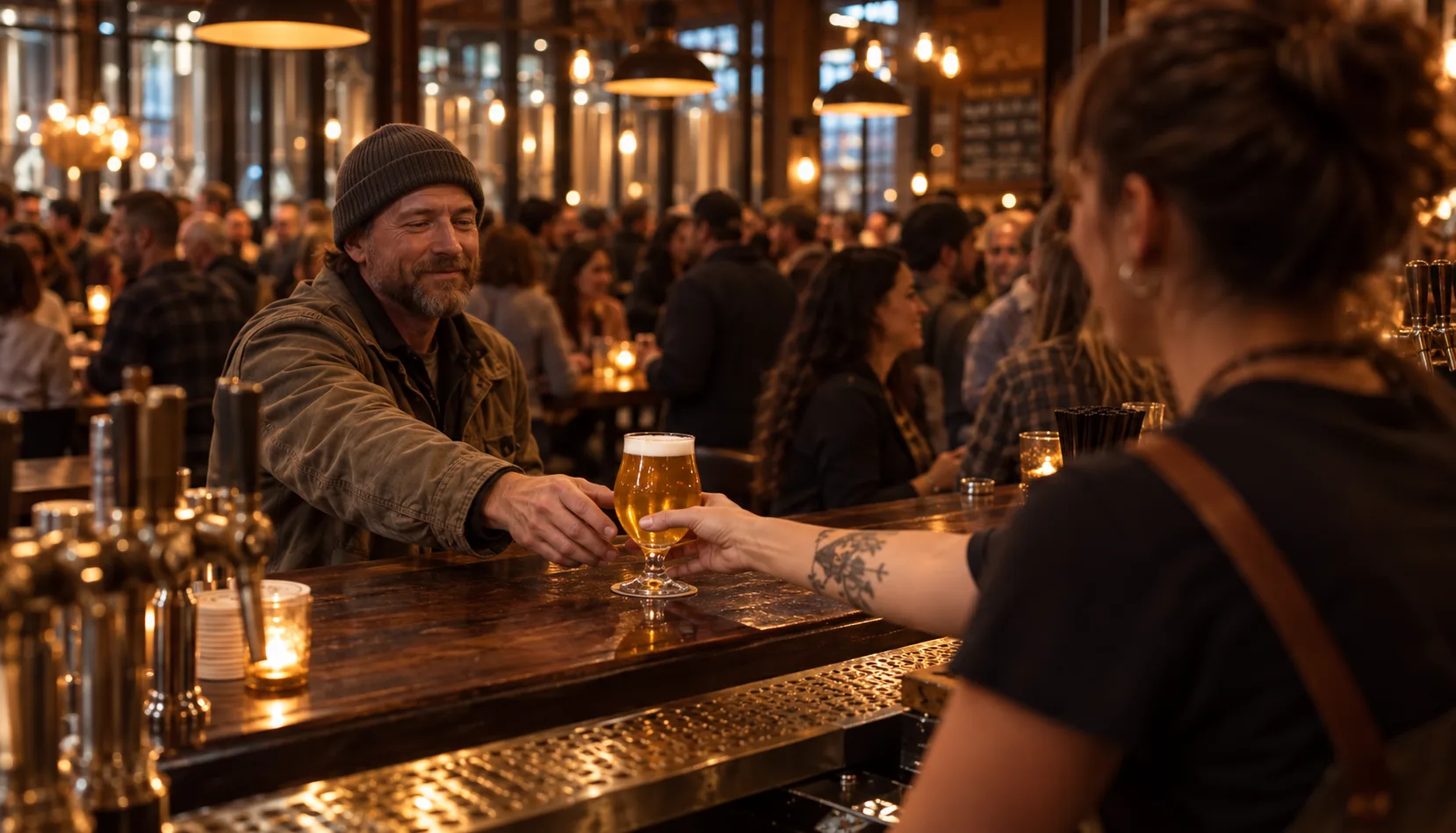
The Future of Brewery Customer Engagement Is Personalized
Craft beer marketing is moving from blasts and segments to one guest at a time. What identity-aware personalization looks like, and where it turns creepy.
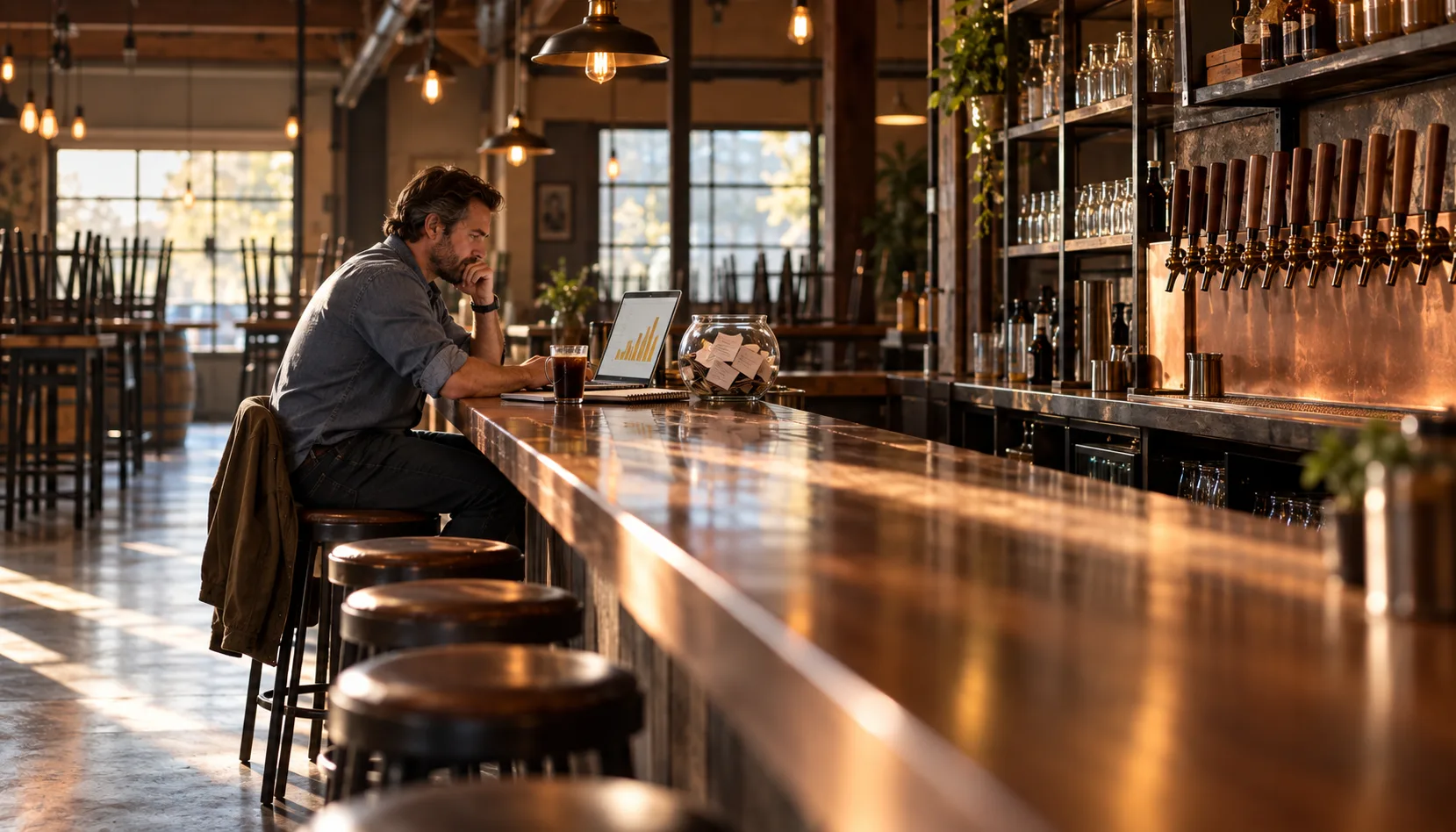
The Best Email Marketing Platforms for Breweries (2026)
Six email platforms compared for breweries in 2026 — Mailchimp, Klaviyo, Constant Contact, Untappd, BeerMenus and where Brewlytics fits. With verified pricing.
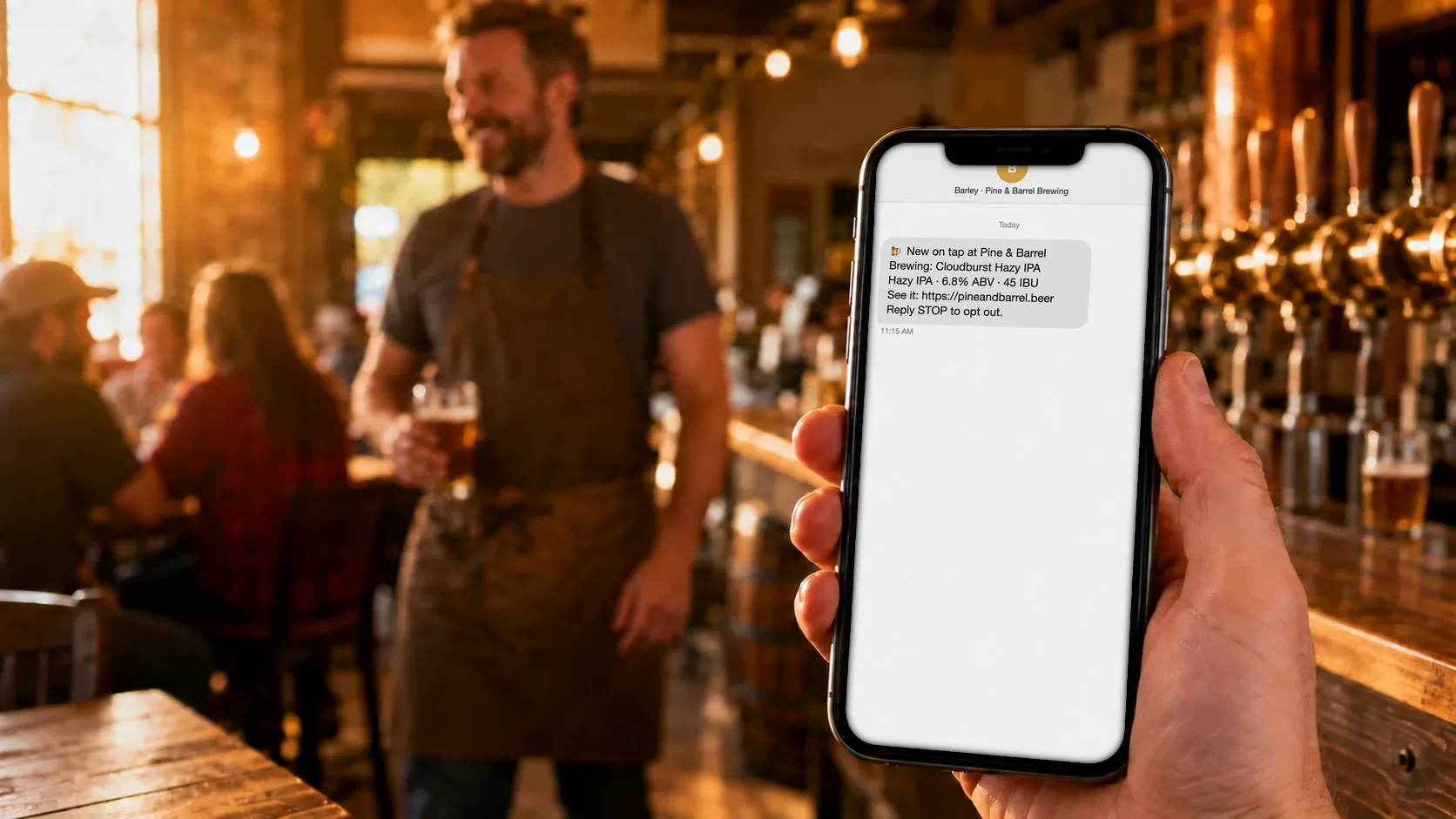
Automated Marketing for Breweries: What to Automate (and What Not To)
Automation is leverage — until it makes your brewery sound like a robot. The automations worth running, which to keep human, and how to sequence them.
Want to see this working in your brewery?
Go Pro to see your customers and act on the data — taste profiles, segmented iMessage, SMS + email campaigns, the AI bartender, and the full dashboard. Or book a walkthrough with the brewer who built it. Not ready? Start free, no card.
Just here for the beer? Get the free Barley app