
Nobody Comes Back to My Brewery — Here's Why (And the One Fix That Works)
By Brian Winckel · Founder, Brewlytics.ai
Short Answer
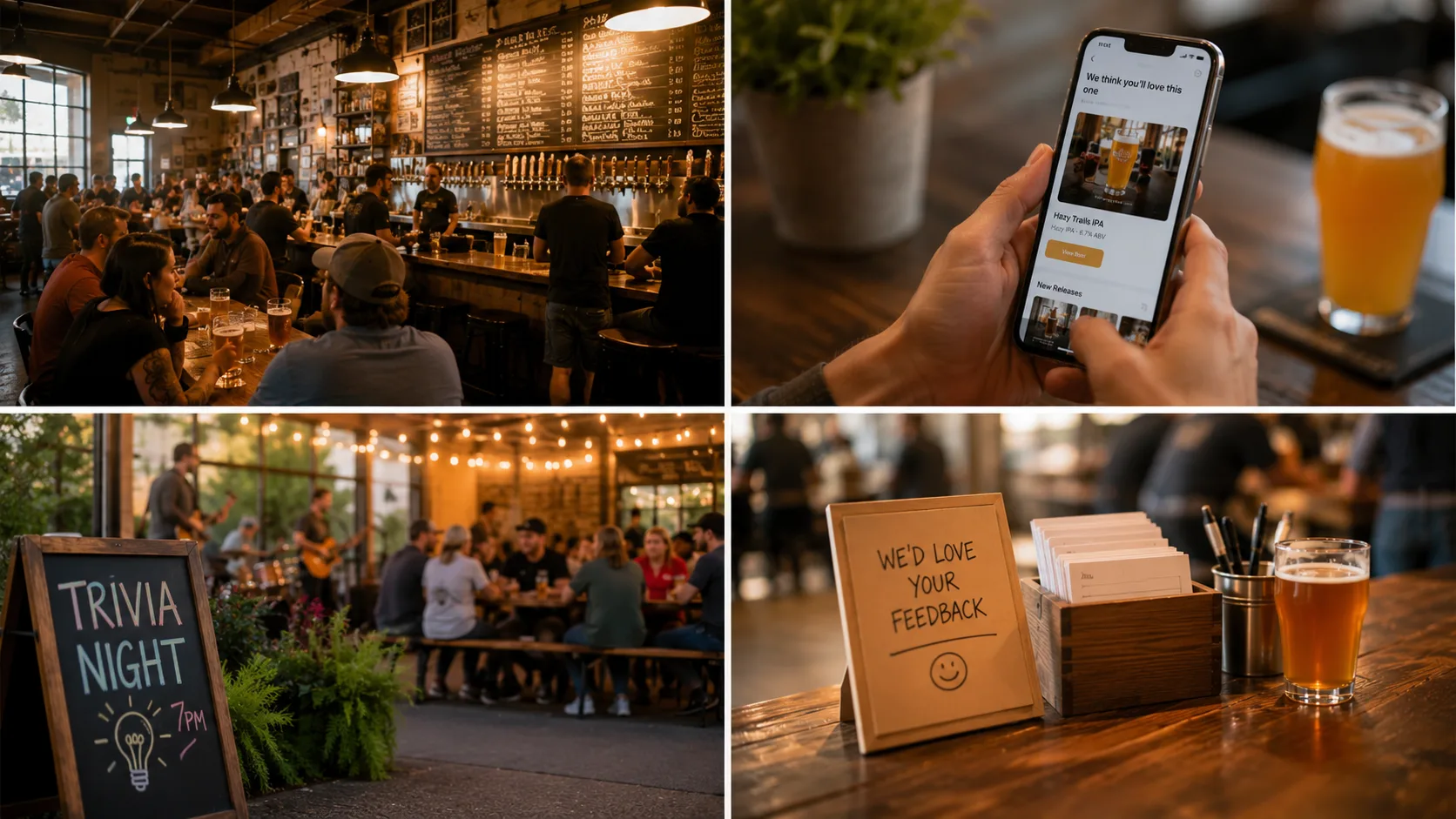
Most taproom customers who visit once and never return didn't dislike your beer — they just forgot about you. No connection was made, nothing triggered them to think of you between visits, and they weren't sure they'd find something they loved if they came back. The fix is knowing who they are and what they like — not in a creepy way, but in a 'the bartender remembers your order' way. Taste profiles built from actual orders let you follow up personally, send relevant alerts, and make every return visit feel familiar. Solve the anonymity problem first and repeat visits follow.
Barley's Take
The beer was probably fine. The problem is that 'fine' doesn't make someone drive past three other breweries on a Tuesday. Memory does.
Why This Matters for Breweries
There's a specific kind of loneliness that comes with running a taproom. You brewed something you're genuinely proud of. The space looks good. The bartenders are friendly. People walk in, order a flight, tell you the IPA is great, take a photo for Instagram, and leave. You never see them again.
You start wondering if it's the beer. Maybe the hazy needs more body. Maybe the lager is too clean. Maybe you should have put the barrel-aged stout on earlier. You tweak recipes, repaint the walls, add food trucks, host trivia. Some of it helps around the edges. But the core problem doesn't move: most people who walk through your door walk out and never come back.
This isn't a sign that your brewery is failing. It's the default. Industry data consistently shows that 60–70% of taproom visitors are single-visit customers. That means if you served 3,000 unique visitors last year, somewhere between 1,800 and 2,100 of them came once, had a perfectly fine time, and never returned. Not because they hated it. Because nothing pulled them back.
This guide is about understanding why that happens and what actually fixes it — not with a bigger marketing budget or a flashier taproom, but with one foundational change that makes everything else work.
The Uncomfortable Truth: It's Not Your Beer
Here's the thing nobody tells you when you open a brewery: most first-time visitors who don't come back liked the beer just fine. They didn't leave angry. They didn't post a bad review. They had a decent time, drove home, and... that was it.
The problem isn't quality. The problem is memory — not yours, theirs. In the two weeks after that first visit, they went to work, picked up groceries, watched a show, maybe visited another brewery. Your taproom became a pleasant, fading memory with no hook to pull it back to the front of their mind.
Think about it from the customer's side. They visited 14 days ago. Since then:
- Nobody from your brewery reached out.
- Nothing reminded them you exist.
- They couldn't name more than one beer they tried.
- They have no idea what's on tap right now.
- Three other breweries posted on their Instagram feed this week.
Your beer didn't fail them. Your brewery just didn't give them a reason to think about you again.
Three Reasons Customers Don't Come Back
The "they just forgot" explanation is real, but it breaks down into three specific, fixable problems.
1. No Connection Was Made
The customer walked in a stranger and walked out a stranger. They interacted with a bartender, sure — but in the way you interact with a barista at a coffee shop you'll never visit again. Pleasant, transactional, anonymous.
Nobody captured who they are. Nobody learned what they liked. Nobody has a way to reach them after they leave. They exist in your POS system as a credit card transaction — "$34.00, flight + pint, Tuesday 6:47pm" — with no name, no preference, no contact info attached.
When a customer is anonymous, follow-up is impossible. And without follow-up, you're relying entirely on them remembering you on their own, without any help, against every other thing competing for their attention.
2. No Reason to Return
Even customers who remember your brewery and liked the experience need a reason to come back this week instead of next month or never. "We have good beer" isn't a reason — every brewery has good beer. A reason is specific and time-bound:
- "The IPA you loved last time — we just tapped a fresh batch."
- "We're releasing a new sour this Friday, and based on what you ordered, you'd probably love it."
- "Your favorite style is back on the menu for a limited run."
Without a specific reason, a return visit is always "someday." And someday means never for most people.
3. Wrong Beer on the Wrong Day
This one is subtle and underappreciated. A meaningful percentage of first-time visitors tried something they didn't love — not because your beer is bad, but because they ordered blind. They picked the name that sounded interesting, or the bartender's recommendation didn't match their palate, or they just pointed at something on the menu.
A customer who ordered a double IPA when they actually prefer light lagers walked away thinking, "That brewery's beer isn't really for me." They didn't realize you had a crisp Kolsch and a sessionable blonde that would have been exactly their thing. They judged your whole tap list by one pour — and they'll never come back to discover they were wrong.
This happens constantly, and it's almost entirely preventable if you know what someone actually likes before you pour.
The One Fix: Know Who They Are and What They Like
All three problems above — anonymity, no reason to return, wrong beer — share a single root cause: you don't know who your customers are or what they prefer.
The fix isn't complicated in concept. It's the same thing the best neighborhood bar in any city has always done: the bartender remembers your name and your order. You walk in, and before you sit down, they're already reaching for the glass. That feeling — of being known, of being expected — is what turns a first visit into a second, a second into a habit, and a habit into a regular.
The challenge is doing that at scale. A bartender can remember 30 regulars. A taproom serves 3,000 unique visitors a year. The math doesn't work by memory alone.
What does work is a taste profile — a record of what each customer actually orders, rates, and enjoys, built from their real behavior rather than a survey. When you have taste profiles, three things become possible that weren't before:
Personalized Follow-Up
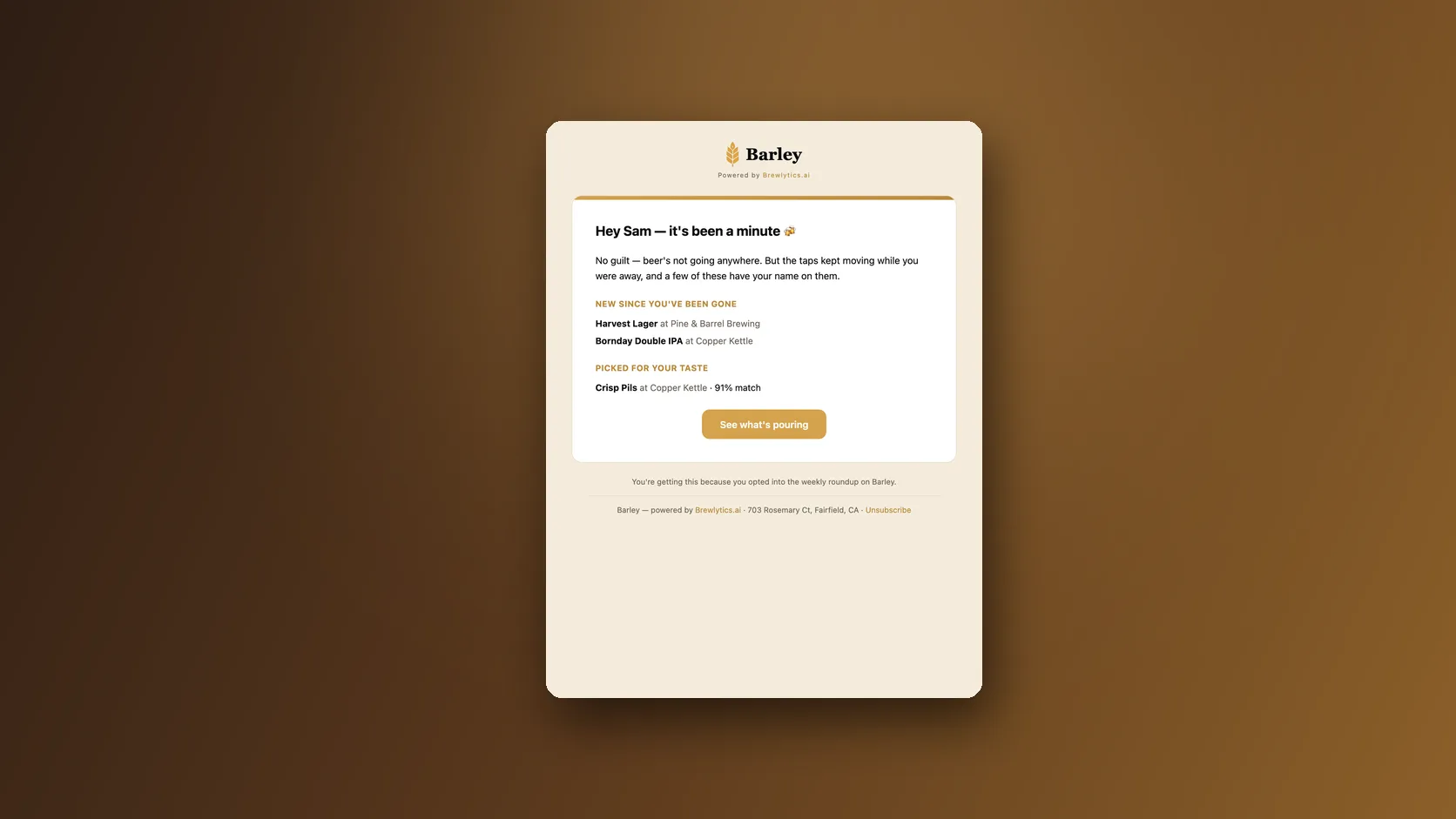
Instead of a generic "thanks for visiting!" email (which everyone ignores), you can send something specific: "Hey — you ordered the Citra Pale last Tuesday and seemed to love it. Just a heads up, we have a new Galaxy Pale hitting the taps this Friday that's in the same family. Worth a trip back."
That message works because it proves you remember. It's not a marketing email. It's a bartender who noticed what you liked. The channel it runs on is usually email or SMS — the brewery email playbook covers how to build the list and segment it so these notes land only with the people who'll care. If you're building the wider plan first, the complete brewery marketing guide sets out the channels and the order to tackle them.
"A Beer You'd Love Just Went on Tap" Alerts
This is the single most powerful driver of repeat visits: a message that arrives at the right moment, about the right beer, to the right person. Not a broadcast to your whole list. A targeted nudge to the 60 customers whose taste profile matches the new release you just tapped.
The customer who loves hazy IPAs gets a text when you tap one. The customer who's into sours gets a different text when the new Berliner drops. The customer who only drinks lagers hears from you when the Vienna lager is back. Everyone else hears nothing — because sending irrelevant messages is worse than sending none.
Making Every Visit a Good One
When a customer walks up to the bar and you already know they tend toward hop-forward, citrusy beers, you can steer them toward the NEIPA instead of the roasty stout. The flight they order has a better hit rate. They leave thinking, "Everything here is good" — because you guided them toward what they'd actually enjoy.
This isn't manipulation. It's hospitality. It's the thing great bartenders do intuitively, scaled to every customer who walks through the door — the mechanism behind personalized beer recommendations, which match each drinker to the beer they'll actually love.
What This Looks Like in Practice
Pretend you run Ironbark Brewing — a 10-barrel taproom with 12 taps and about 200 unique visitors a week. Your repeat-visit rate is around 28%, which means roughly 56 of those 200 have been before. The other 144 are first-timers, and historically, about 100 of them will never return.
You start building taste profiles. Here's what changes:
Week 1: A new customer named Sarah orders a flight — the Hazy IPA, the Gose, the Kolsch, and the Amber. She rates the Hazy and the Gose highly through a QR code on her table. You now know: Sarah likes hop-forward and tart beers, not malty ones. You have her phone number from the loyalty sign-up.
Week 3: You tap a new Passionfruit Sour. Your system identifies 47 customers — including Sarah — whose taste profiles match this beer. They get a text: "New Passionfruit Sour just hit the taps at Ironbark — tart, tropical, peak fresh right now. Thought you'd want to know."
Week 3, Thursday: Sarah comes in with a friend. She orders the Passionfruit Sour. Her friend tries a flight. The friend signs up. Now you have two profiles.
Month 3: Sarah has visited five times. Her friend has visited three times. Both have brought other people. Your repeat-visit rate has moved from 28% to 33%. That 5-point increase represents roughly 10 additional repeat visitors per week — people who would have been one-and-done under the old system.
The math: 10 extra repeat visitors per week, spending an average of $28 per visit, is an additional $14,500 per quarter. From one change.
What You Can Do This Week (Without Any Software)
You don't need a platform to start fixing this. Here are five things you can do before next weekend:
1. Ask one question at the bar. When someone orders, ask: "Have you been here before?" If they say no, ask what styles they usually drink. Recommend accordingly. This is the manual version of a taste profile, and it works for the customer right in front of you.
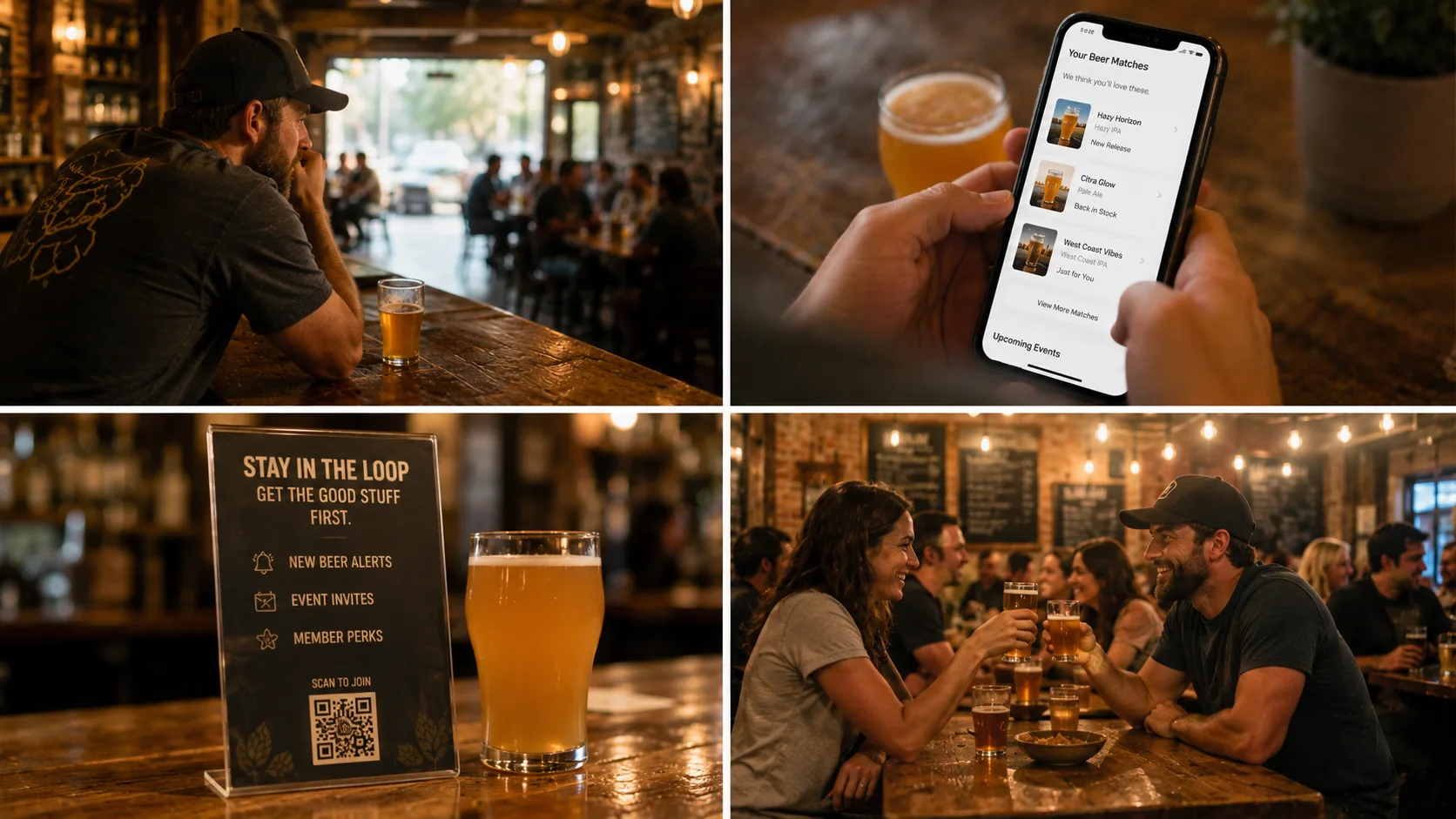
2. Put a sign-up card on every table. "Join our text list — we'll let you know when something you'd love goes on tap." Collect name, phone, and "what styles do you like?" Even a paper card works. Even 10 sign-ups a week is 500 a year.
3. Send one follow-up text per week. Take your list of new sign-ups from the past week and send a personal text (not a blast — a real text) to five of them. "Hey [name], thanks for coming in last [day]. You mentioned you like [style] — we've got a great one on tap right now if you're in the area this weekend." This takes 15 minutes and converts at a rate that will shock you.
4. Train your bartenders to remember one thing. Give each bartender one job: remember the name and favorite style of one new customer per shift. Write it on a sticky note behind the bar. When that person comes back, greet them by name and pour what they like. They'll become a regular.
5. Track your repeat-visit rate. If you don't measure it, you can't improve it. Pull your POS data for the last 90 days and figure out what percentage of unique customers have visited more than once. That's your baseline. Check it again in 90 days.
The Pattern Behind the Fix
Every tactic above — from the bartender's memory to the automated text alert — follows the same pattern:
- Learn who the customer is and what they like.
- Remember it after they leave.
- Reach out with something specific and relevant.
- Make the next visit better than the last one because you know more.
That's the whole system. Breweries that do this consistently — whether by hand or with software — don't have a "nobody comes back" problem. They have regulars. The ones that skip it, no matter how good their beer is, are stuck hoping people remember on their own.
It's also why traditional loyalty programs don't create true regulars: a punch card counts visits but never learns who the customer is. And the same reachable list that brings first-timers back is what fills the room on a dead night — see 7 things to do this week when your taproom is slow.
Hope is not a retention strategy.
How Brewlytics Helps
The manual version of this works. It just doesn't scale past about 50 customers before the sticky notes pile up and the weekly texts become a second job. Brewlytics automates the pattern as part of a complete, taste-aware marketing stack:
- Customer Taste Profiles build automatically as customers engage — claiming orders, rating beers, chatting with Barley, answering the onboarding quiz. No surveys, no data entry. The profile accrues from real behavior.
- Fresh Beer Alerts match taste profiles to your current tap list and freshness windows. When a beer a customer would love hits peak freshness, they hear about it. One campaign setup; the system decides who gets the message and when.
- Barley Chat gives first-time visitors a personal beer recommendation from a QR code at the table — solving the "wrong beer on the wrong day" problem before it costs you a customer.
- Rewards that reward exploration, not just visits. A customer who tries a new style and loves it gets recognized for it — reinforcing the taste loop instead of just counting punches.
The goal isn't to replace the bartender's memory. It's to give every customer the experience of being remembered, whether they're customer number 5 or customer number 5,000.
FAQ
(See the schema-ready FAQ block in the frontmatter for the full set — covers single-visit rates, whether you need an app, timeline for results, and tourist-area strategies.)
Ready to Stop Losing First-Time Visitors?
Most breweries already have the raw material: a POS full of transaction data and a tap list full of great beer. What's missing is the connection layer — the system that turns an anonymous $34 tab into a named customer with a taste profile and a reason to come back next week.
Book a demo and we'll pull your POS catalog, map your menu through the Beer Taste Genome, and show you exactly which of last month's first-timers would have come back if you'd known what they liked.
Frequently asked questions
Related Brewlytics Feature
Customer Taste Profiles
Taste profiles that build as customers engage — quiz, ratings, and chat.
See how it works →Keep reading
Mug Clubs: The Complete Guide for Breweries (2026)
How to start and run a brewery mug club in 2026 — membership models, pricing math, perk costs, retention numbers, and the software that keeps it from leaking.
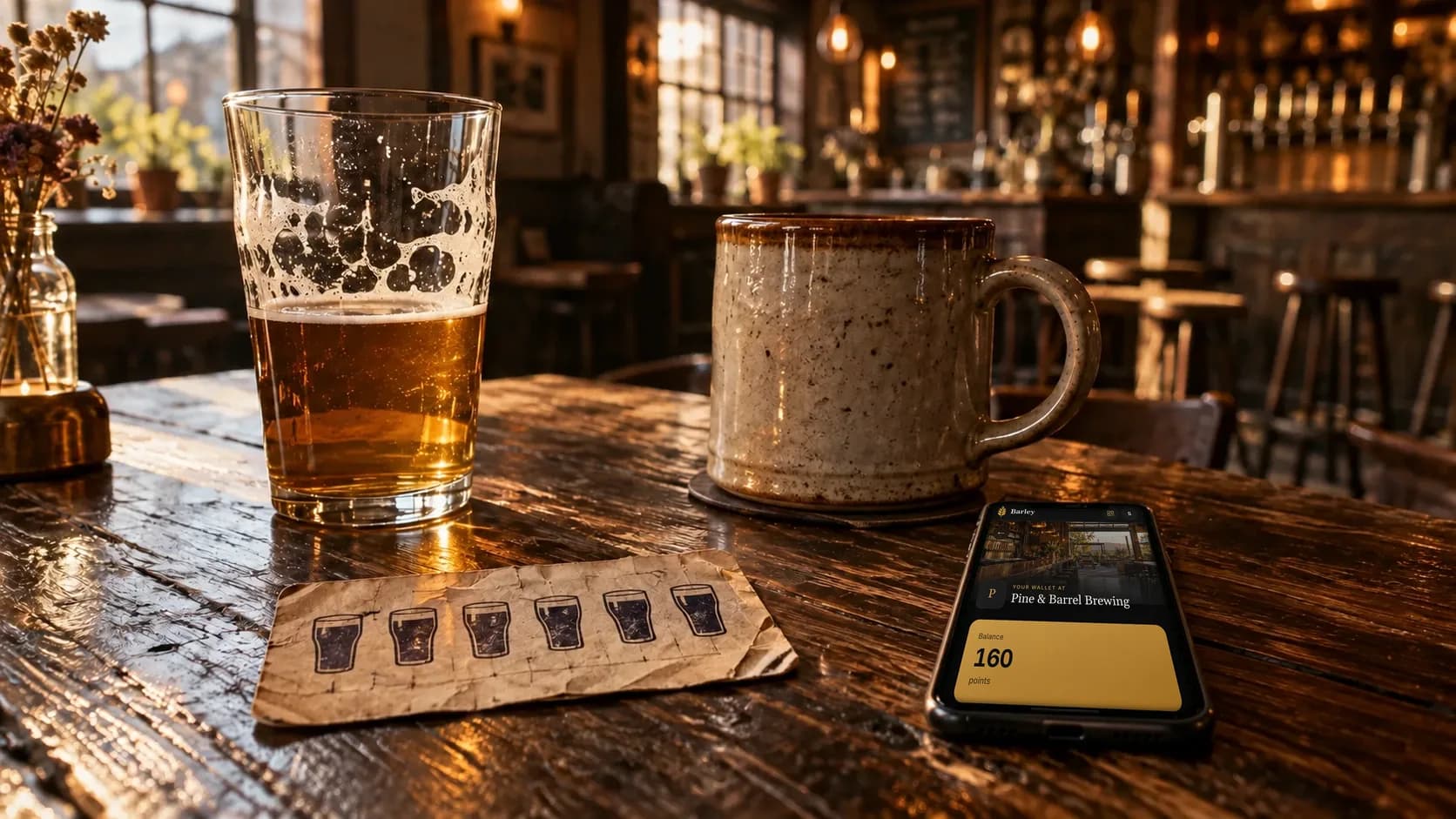
Best Brewery Loyalty Software for Taprooms (2026)
Eight brewery loyalty tools compared for 2026: Square, Toast, Arryved, MugClub.beer, TapWyse, LoyalBrew, Untappd and Brewlytics, with a best-for pick for each.
Brewery Marketing Automation Ideas for Taprooms
Ten taproom marketing automations you can set up once: five fired by events like a fresh tapping or a package date, five aimed at lapsed, new, and top guests.
Want to see this working in your brewery?
Go Pro to see your customers and act on the data — taste profiles, segmented iMessage, SMS + email campaigns, the AI bartender, and the full dashboard. Or book a walkthrough with the brewer who built it. Not ready? Start free, no card.
Just here for the beer? Get the free Barley app